

Early Signs of Gum Disease Patients Should Never Ignore
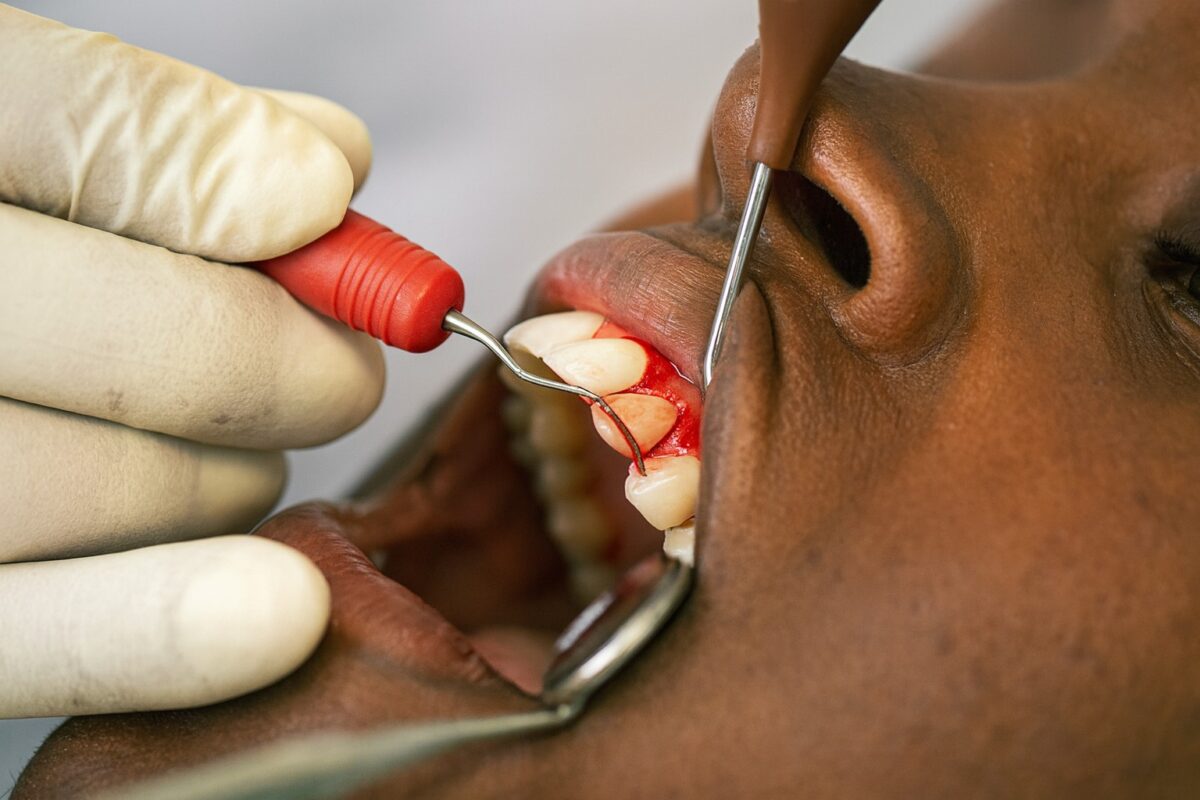
Gum disease is one of the most common dental problems in the UK — yet many people don’t realise they have it until it becomes serious. Because gum disease often progresses quietly, recognising the early signs can help you protect your teeth, prevent bone loss, and avoid more complex treatment in the future.
At Hammersmith Dental Care, our periodontal team helps patients spot the warning signs early and get the specialist care they need to keep their gums healthy for life.
What Is Gum Disease?
Gum disease (periodontal disease) happens when plaque bacteria cause inflammation of the gums.
It begins as gingivitis, and if left untreated, can progress to periodontitis, leading to gum recession, bone loss, and even tooth loss.
The sooner gum disease is detected, the easier it is to treat — and the better the long-term outcome for your oral health.
Early Signs of Gum Disease You Should Never Ignore
1- Bleeding Gums
If your gums bleed when brushing, flossing, or eating, it is not normal.
Bleeding is usually the first sign of gum inflammation.
Why it matters:
Bleeding indicates that plaque and bacteria are building up around the gumline, causing irritation and swelling
2- Red, Swollen, or Tender Gums
Healthy gums should be firm and pink.
Redness or puffiness means your immune system is responding to bacteria.
Why it matters:
Swelling is an early indicator of gingivitis and can progress quickly without treatment.
3- Bad Breath That Doesn’t Go Away
Persistent bad breath (halitosis) or an unpleasant taste can be caused by trapped bacteria under the gums.
Why it matters:
Gum infection produces gases that cause odour — a strong sign that harmful bacteria are present.
4- Receding Gums
Your teeth may start to look “longer” as the gums shrink away from the surface.
Why it matters:
Gum recession is often linked to early periodontitis and can expose the roots, causing sensitivity and increasing the risk of tooth loss.
5- Sensitivity to Hot or Cold
When the gums pull back, the root surface becomes exposed, leading to discomfort or sharp sensitivity.
Why it matters:
This is a sign that gum inflammation has already started to damage tissue.
6- Loose Teeth or Changes to Your Bite
In advanced stages, patients may notice movement in their teeth or that their bite feels different.
Why it matters:
This indicates bone loss, which requires urgent periodontal treatment.
Why Early Treatment Matters
Treating gum disease early prevents:
- Gum recession
- Bone loss
- Tooth mobility
- Tooth loss
- Pain and infection
- The need for surgery
Early diagnosis often means treatment can be non-surgical and more comfortable, such as:
- Professional deep cleaning (Scaling & Root Planing)
- Hygiene therapy
- Targeted periodontal treatment
- Home-care guidance to support long-term gum health
At Hammersmith Dental Care, our periodontist provides advanced care for all stages of gum disease, ensuring predictable, long-lasting results.
When to See a Periodontist
You should book a periodontal assessment if you notice:
✔ Ongoing bleeding gums
✔ Bad breath despite cleaning
✔ Gum recession
✔ Loose teeth
✔ A family history of gum disease
✔ You smoke or have diabetes (higher risk)
Our specialist-led team offers comprehensive gum assessments using advanced diagnostic tools