

Blog

CLASSIC LIST


Dental-implant-procedure-in-progress-1200x800.png

April 10, 2026 Guidelines0

Losing a tooth is more than just a cosmetic concern—it can lead to jaw bone loss, affecting your oral health, facial structure, and long-term dental stability. Many patients are unaware that once a tooth is lost, the underlying bone begins to shrink.

In this guide, we’ll explain why bone loss happens, how it progresses, and how dental implants play a crucial role in implants bone preservation.

What Happens After Tooth Loss?

When a tooth is removed or lost, the surrounding bone (called the alveolar bone) no longer receives stimulation from chewing forces. This stimulation is essential to maintain bone density.

Without it:

  • The bone begins to shrink (resorb)
  • Nearby teeth may shift
  • Facial structure can change over time

In fact, up to 25% of bone volume can be lost within the first year after tooth loss.

Why Jaw Bone Loss Is a Serious Concern

Jaw bone loss doesn’t just affect your smile—it can have wider consequences:

  1. Changes in Facial Appearance
  • Sunken cheeks
  • Premature ageing
  • Thinner lips
  1. Difficulty Eating and Speaking
  • Reduced bite strength
  • Shifting teeth affecting speech
  1. Future Dental Complications
  • Increased risk of gum disease
  • Difficulty placing restorations later

The longer the gap remains untreated, the more complex treatment becomes.

How Dental Implants Prevent Bone Loss

Dental implants are widely regarded as the gold standard solution for replacing missing teeth—and for good reason.

What Makes Implants Different?

Unlike dentures or bridges, dental implants:

  • Replace the tooth root (not just the crown)
  • Integrate with the bone (osseointegration)
  • Stimulate the jaw during chewing

The Key Benefit: Implants Bone Preservation

Because implants mimic natural tooth roots:

  • They maintain bone density
  • Prevent further resorption
  • Help preserve facial structure

This makes them the only long-term solution that actively protects your jawbone.

Dental Implants vs Other Tooth Replacement Options

Option Prevents Bone Loss Stability Longevity
Dentures ❌ No Moderate Medium
Dental Bridge ❌ No Good Medium
Dental Implants ✅ Yes Excellent Long-term

While other options restore appearance, only implants support true implants bone preservation.

Can Bone Loss Be Reversed?

In some cases, yes.

If bone loss has already occurred, treatments such as:

  • Bone grafting
  • Sinus lifts

can rebuild the jawbone before placing implants.

However, early intervention is always better—preventing bone loss is easier than rebuilding it.

Who Is Suitable for Dental Implants?

Most healthy adults are candidates, but ideal conditions include:

  • Good overall oral health
  • Healthy gums
  • Adequate bone volume (or suitability for grafting)

A professional assessment will determine the best treatment plan for you.

Why Early Treatment Matters

The longer you wait after losing a tooth:

  • The more bone is lost
  • The more complex treatment becomes
  • The higher the cost and treatment time

 Acting early can save both your bone and your smile.

Expert Advice: Protect Your Jawbone Early

At our clinic, we focus on preventive and long-term solutions, not just quick fixes. Dental implants are not only about replacing missing teeth—they’re about preserving your oral health for years to come.

Book Your Consultation Today

If you’ve lost a tooth or are considering replacement options, now is the time to act.

Don’t wait for jaw bone loss to progress.
Book a consultation to explore whether dental implants are right for you.
implant-procedure-1200x800.png

January 31, 2026 GuidelinesServices0

If you’ve been told you need a dental implant, it’s completely normal to feel a little nervous. One of the most common concerns we hear at Hammersmith Dental Care is:

“What actually happens during a dental implant procedure?”

The good news? Modern implant dentistry is carefully planned, highly predictable, and far more comfortable than many patients expect.

This step-by-step guide explains the dental implant procedure, what you’ll experience at each stage, and how we ensure patients across Hammersmith and Fulham feel informed, relaxed, and confident throughout the process.


What Is a Dental Implant?

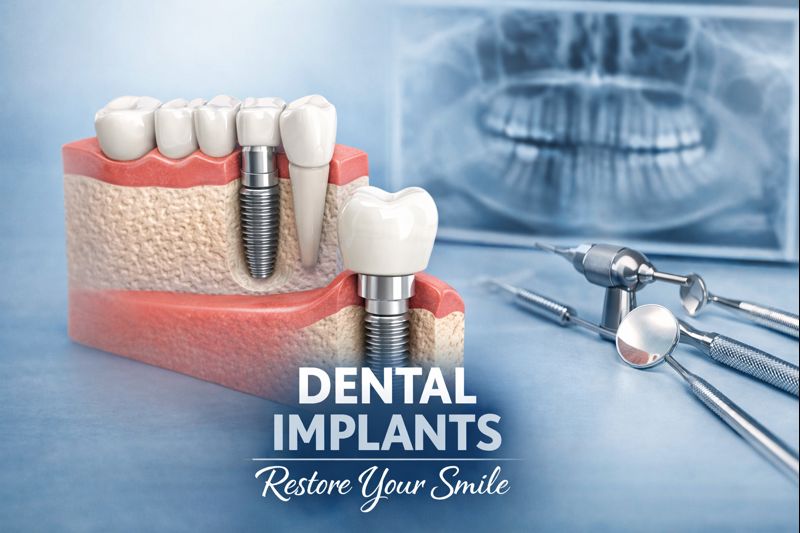
A dental implant is a small titanium post that replaces the root of a missing tooth. It is placed into the jawbone and supports a natural-looking crown, bridge, or denture.

Dental implants are considered the gold standard for replacing missing teeth because they:

  • Look and feel like natural teeth
  • Protect the jawbone from shrinkage
  • Do not rely on neighbouring teeth for support
  • Can last many years with proper care


Step 1: Initial Consultation & Assessment

Every successful dental implant procedure starts with careful planning.

During your consultation at Hammersmith Dental Care, your implant dentist will:

  • Assess your oral and general health
  • Take detailed digital X-rays or 3D scans
  • Check bone quality and gum health
  • Discuss your goals and concerns
  • Explain whether additional treatments (such as bone grafting) are needed

This stage is crucial — it ensures your implant surgery process is safe, personalised, and predictable.


Step 2: Preparing for Implant Surgery

If your mouth is healthy and ready, we move to the preparation stage.

This may include:

  • Treating gum disease if present
  • Removing a failing tooth (if required)
  • Planning bone grafting if bone volume is insufficient

Many patients are surprised to learn that preparation is often minor and straightforward.


Step 3: Implant Placement (The Surgery)

This is the part most patients worry about — but it’s usually the easiest.

What happens during implant surgery?

  • The area is fully numbed using local anaesthetic
  • The implant is gently placed into the jawbone
  • The procedure is precise and controlled
  • Most patients feel pressure, not pain

In fact, many people say implant placement is more comfortable than a tooth extraction.

 Time:
Usually 30–60 minutes per implant


Step 4: Healing & Osseointegration

After placement, the implant needs time to bond with the jawbone — a process called osseointegration.

What to expect:

  • Mild swelling or tenderness for a few days
  • Normal daily activities resumed quickly
  • The implant gradually becomes part of the bone

 Healing time:
Typically 3–6 months, depending on individual healing and bone quality.

This stage is key to creating a strong, long-lasting foundation for your new tooth.


Step 5: Abutment & Final Tooth Placement

Once healing is complete:

  1. A small connector (abutment) is attached to the implant
  2. Custom impressions are taken
  3. Your final crown is carefully designed to match your natural teeth
  4. The crown is securely fitted

The result is a tooth that looks, feels, and functions just like a natural one.


Is the Dental Implant Procedure Painful?

This is one of the biggest fears — and one of the biggest misconceptions.

Most patients report:

  • Little to no pain during surgery
  • Mild discomfort afterwards, managed with standard pain relief
  • A smoother recovery than expected

Your comfort is always a priority at Hammersmith Dental Care, and we take time to explain each step so there are no surprises.


How Long Does the Full Implant Process Take?

The full implant surgery process varies depending on your individual needs:

  • Simple cases: around 3–4 months
  • More complex cases: up to 6–9 months

While it takes time, the result is a stable, long-term solution that protects both your smile and jawbone.


Why Choose Dental Implants?

Dental implants are ideal if you want:

  • A fixed, non-removable solution
  • A natural appearance
  • Improved chewing and speech
  • Long-term tooth replacement
  • To avoid dentures or bridges

Patients across Hammersmith and Fulham choose implants because they restore confidence as well as function.


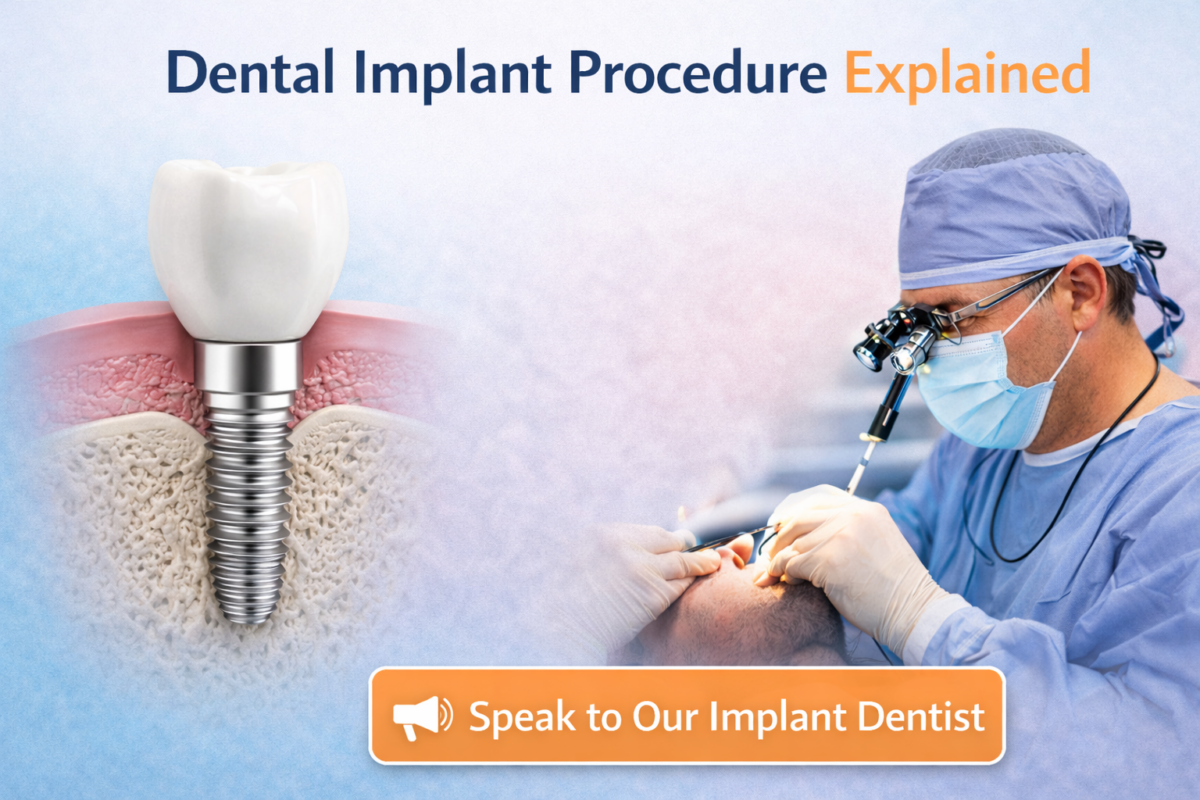
Speak to Our Implant Dentist

If you’re considering dental implants but still have questions or concerns, the best next step is a personalised consultation.

At Hammersmith Dental Care, we believe informed patients feel calmer, more confident, and more in control of their treatment.

 Speak to our implant dentist today to find out whether dental implants are right for you.


implant-1.jpeg

January 22, 2026 Services0

At Hammersmith Dental Care, we understand how missing teeth can affect your confidence, comfort, and everyday life. Dental implants offer a modern, long-lasting solution that looks, feels, and functions just like natural teeth.

This guide explains what dental implants are, how they work, and whether they may be right for you, helping patients in Hammersmith make informed, confident decisions about their oral health.

What Are Dental Implants?

Dental implants are permanent replacements for missing teeth. They are small titanium posts placed into the jawbone, acting as artificial tooth roots. Once healed, an implant securely supports a natural-looking crown, bridge, or denture.

Dental implants are widely considered the gold standard for tooth replacement because they restore both appearance and function while helping protect long-term oral health.

What Makes Dental Implants So Effective?

Dental implants are made from biocompatible titanium, which allows them to fuse naturally with the jawbone through a process called osseointegration. This creates a strong, stable foundation that closely mimics a natural tooth root.

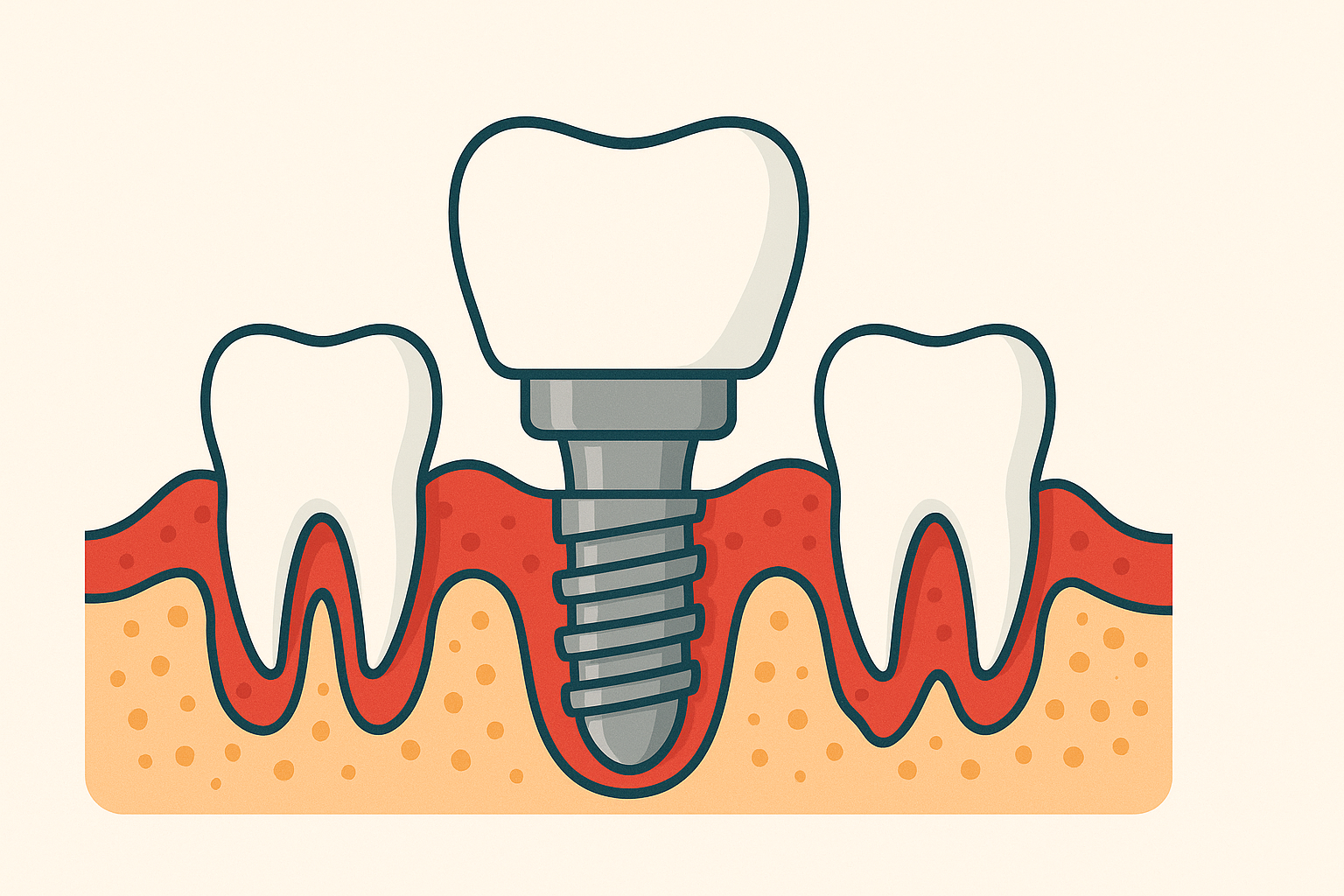
Each implant restoration has three parts:

  • The implant – placed in the jawbone
  • The abutment – connects the implant to the tooth
  • The crown – a custom-made tooth matched to your smile


Why Patients Choose Dental Implants at Hammersmith Dental Care

Many of our patients choose dental implants because they:

  • Feel secure and comfortable
  • Look natural and blend seamlessly with existing teeth
  • Protect the jawbone and facial structure
  • Do not rely on neighbouring teeth for support
  • Allow normal eating, speaking, and smiling

Unlike dentures, implants are fixed in place, meaning no slipping, clicking, or adhesives.


Am I Suitable for Dental Implants?

You may be a good candidate for dental implants if you:

  • Have one or more missing teeth
  • Have healthy gums
  • Have sufficient jawbone (or are suitable for bone grafting)
  • Are in good general health

At Hammersmith Dental Care, we carry out a thorough consultation and digital assessment to ensure implants are safe, suitable, and predictable for you.

The Dental Implant Process

We take a careful, patient-centred approach to dental implant treatment:

  1. Personal Consultation

We assess your oral health, take digital X-rays or 3D scans, and discuss your goals.

  1. Implant Placement

The implant is placed gently under local anaesthetic. Most patients find the procedure comfortable and straightforward.

  1. Healing & Integration

Over the following weeks, the implant bonds securely with the jawbone.

  1. Final Restoration

A bespoke crown is fitted, restoring your smile, bite, and confidence.

Does Dental Implant Treatment Hurt?

Most patients are pleasantly surprised by how comfortable the procedure is. Any mild discomfort after treatment is usually short-lived and easily managed with standard pain relief.

How Long Do Dental Implants Last?

With good oral hygiene and regular dental check-ups, dental implants can last many years—often decades. They are one of the most durable and cost-effective tooth replacement options available.

Caring for Your Dental Implants

Dental implants should be cared for just like natural teeth:

  • Brush twice daily
  • Clean between teeth regularly
  • Attend routine dental and hygiene appointments
  • Maintain healthy gums

Good maintenance is key to long-term success.

Dental Implants in Hammersmith – Local Care You Can Trust

Choosing dental implants at Hammersmith Dental Care means:

  • Experienced clinicians
  • Modern technology and materials
  • Clear treatment planning
  • Ongoing support close to home

We pride ourselves on delivering high-quality, ethical, and patient-focused implant care.

Book Your Dental Implant Consultation

If you are considering dental implants in Hammersmith, our friendly team is here to help. A consultation will allow us to assess your needs and explain your options clearly, with no pressure.


implant-gum.png

November 27, 2025 Uncategorized0

Expert care for implant patients at Hammersmith Dental Care

Healthy gums are essential for successful dental implants. However, many patients worry that gum disease will prevent them from getting implants. Fortunately, with the right treatment, most people can still restore their smile. At Hammersmith Dental Care, we specialise in helping patients with gum disease, gum recession, and bone loss prepare for safe and predictable implant treatment. As a result, even those with complex gum concerns can often receive implants successfully.

Why Gum Health Matters for Dental Implants

Dental implants need strong bone and healthy gum tissue to stay firmly in place. Without proper gum health, several problems may occur. For example, untreated gum disease can lead to:

  • Bone loss around the implant

  • Inflammation (peri-implantitis)

  • A higher risk of implant failure

  • Delayed healing

In fact, the American Academy of Periodontology confirms that gum disease is a major cause of tooth and bone loss — both of which are crucial for implant success. Therefore, treating gum disease before implant placement is essential.

Can You Have Dental Implants If You Have Gum Disease?

Yes — in most cases. You can still have dental implants as long as gum disease is treated first. Although gum problems may seem like a barrier, most patients can move forward once their gums have been stabilised.

At Hammersmith Dental Care, we may recommend several treatments to achieve this, such as:

  • Deep cleaning (scaling & root planing)

  • Gum infection control

  • Bone grafting where bone loss has occurred

  • Gum grafting for receding gums

  • Tailored periodontal maintenance before and after implants

Once your gums are healthy and stable, implants can be placed safely using modern, 3D-guided techniques. Consequently, your treatment becomes both more predictable and more comfortable.

Benefits of Implants for Patients With Previous Gum Problems

Dental implants offer long-term advantages, especially for patients who have experienced gum disease. For instance, implants can provide:

  • Prevention of further bone loss

  • Improved chewing function

  • Better oral hygiene and stability

  • A natural-looking, confident smile

  • Long-term reliability when gum disease is well-managed

Moreover, research shows that dental implants have high success rates even in patients with a history of periodontal disease — provided treatment is completed first. Therefore, proper preparation greatly increases the chances of long-term success.

Our Implant Process at Hammersmith Dental Care

1.Gum and Bone Assessment

First, we examine the gums, check bone levels, and identify any active infection. This ensures that we understand your oral health fully before planning treatment.

2. Periodontal Treatment

Next, we stabilise gum disease and prepare the mouth for implant placement. This step is essential for long-term implant success.

3. Precision-Guided Implant Placement

After your gums are healthy, we use 3D scanning and guided surgery to place implants with maximum accuracy and comfort.

4. Long-Term Maintenance

Finally, ongoing hygiene appointments and regular monitoring help keep your gums and implants healthy for many years.

Book Your Implant Consultation in Hammersmith

If you’re dealing with gum problems but want to replace missing teeth, we can help.
Our experienced team provides personalised care for complex gum and implant cases.


Get in touch

Contact us now

Please note that fees may vary but will be confirmed at the consultation and a written estimate will be given before treatment commences.


CONTACT

(+44) 020 8741 4777


Contact via Email

enquiries@ hammersmithdentalcare.com


Follow us

Our Activity

Join us on social media to explore innovation and empowerment.


Copyright by MoReel 2025. All rights reserved.