

Blog

CLASSIC LIST


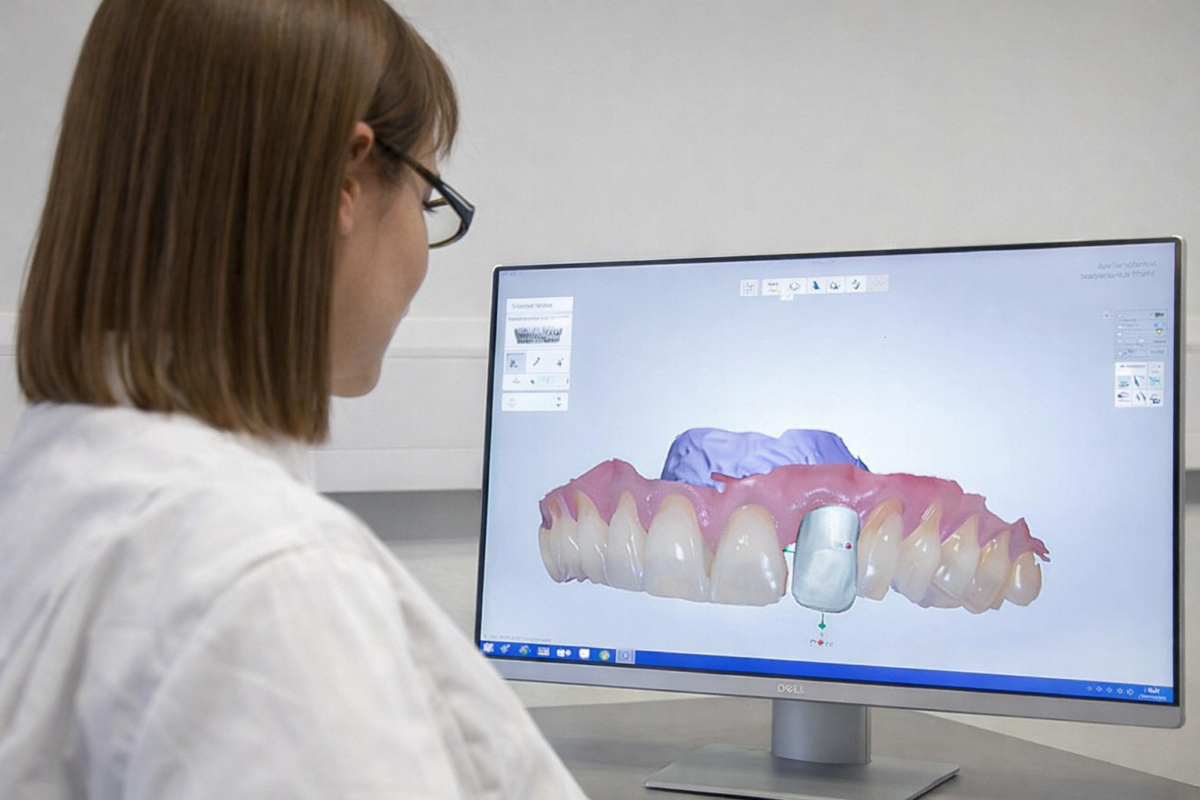
candidate-1200x800.png

April 22, 2026 GuidelinesServices

Dental implants are widely considered the most reliable and long-lasting solution for replacing missing teeth. However, not every patient is immediately suitable for this treatment. Understanding whether you are a good candidate for dental implants helps you make informed decisions and ensures the best possible outcome.

This guide explains the key factors that determine dental implant candidates, helping answer the common question: “am I suitable for implants?”

What Are Dental Implants?

Dental implants are small titanium posts placed into the jawbone to replace missing tooth roots. They support crowns, bridges, or dentures and function just like natural teeth.

Ideal Candidates for Dental Implants

You are likely a strong candidate for dental implants if you meet the following criteria:

1. Good Overall Oral Health

Healthy gums are essential. Patients should be free from active gum disease or infections before implant placement.

2. Sufficient Jawbone Density

Adequate bone is needed to support the implant securely. If bone loss has occurred, procedures such as bone grafting may be required beforehand.

3. Non-Smoker or Willing to Quit

Smoking can significantly affect healing and increase the risk of implant failure. Patients who quit or reduce smoking have better outcomes.

4. Good General Health

Conditions such as uncontrolled diabetes or immune disorders can impact healing. A thorough medical history review is essential.

5. Commitment to Oral Hygiene

Long-term success depends on proper brushing, flossing, and regular dental visits.

Who May Need Additional Assessment?

Not all patients are excluded if they don’t meet ideal criteria. Some may still be suitable with preparatory treatment.

Patients with Bone Loss

Jawbone loss is common after missing teeth. Bone grafting or sinus lift procedures can often make implants possible.

Patients with Gum Disease

Gum disease must be treated and stabilised before implant placement. A periodontal assessment is typically recommended.

Patients with Medical Conditions

Conditions such as diabetes can be managed successfully if well-controlled. Your dentist will work closely with you to assess risks.

Risk Factors That Can Affect Implant Success

Understanding potential risks helps improve outcomes and reduce complications.

Smoking

Increases risk of infection and implant failure.

Poor Oral Hygiene

Can lead to peri-implantitis (infection around the implant).

Chronic Health Conditions

Uncontrolled systemic diseases may delay healing.

Teeth Grinding (Bruxism)

Excessive pressure can affect implant stability. A night guard may be recommended.

Am I Suitable for Implants?

The only way to determine your suitability is through a professional consultation. This typically includes:

  • Full dental examination
  • Digital X-rays or 3D scans
  • Gum health assessment
  • Medical history review

A personalised treatment plan will then be created based on your specific needs.

Benefits of Choosing Dental Implants

For suitable candidates, dental implants offer:

  • Natural appearance and function
  • Long-lasting results
  • Preservation of jawbone structure
  • Improved confidence and comfort

Dental Implants in Hammersmith & West London

If you are considering dental implants and want to know if you are a suitable candidate, a professional assessment is the first step. Early evaluation can help identify any risk factors and allow for proper planning.

Book Your Implant Consultation

If you’re asking “am I suitable for implants?”, the best next step is a comprehensive consultation. This allows your dentist to assess your oral health, discuss options, and guide you toward the most appropriate treatment.
Schedule your consultation today and take the first step toward restoring your smile with confidence.


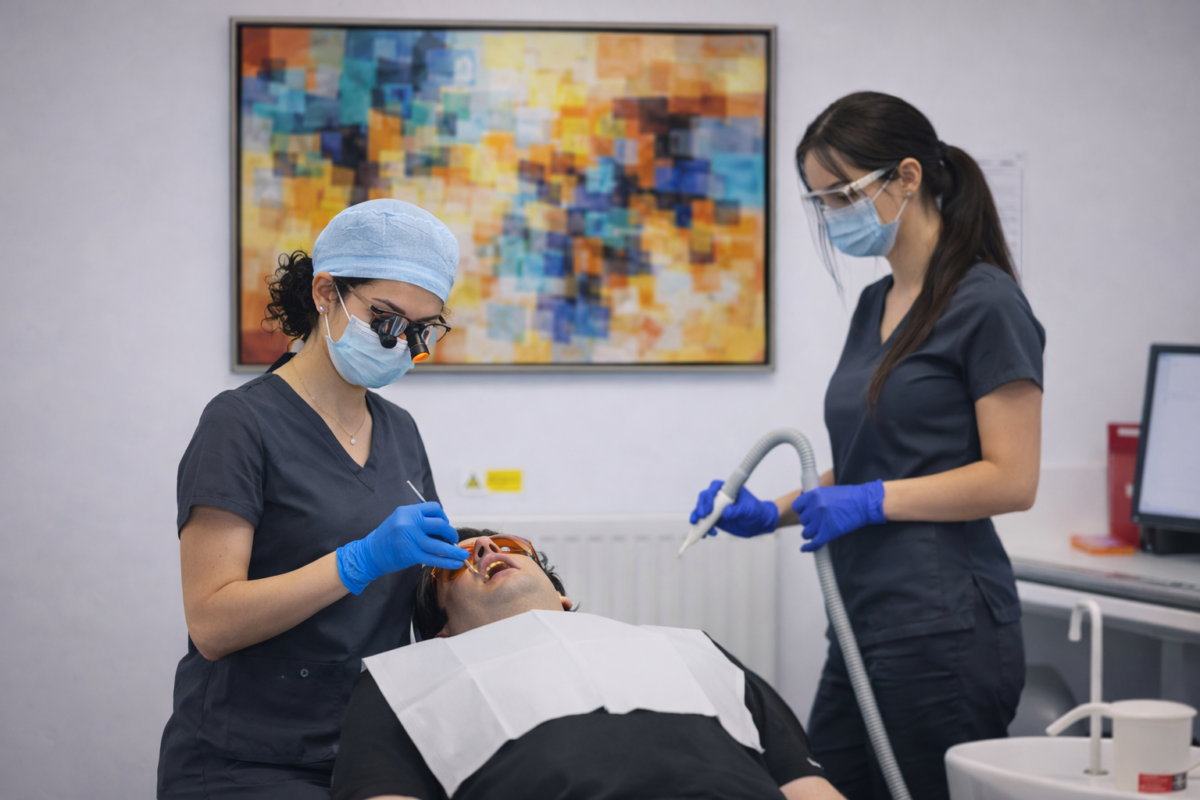
Gum-and-implant-1200x800.png

March 22, 2026 Guidelines

If you’re considering dental implants, one factor matters more than most people realise: your gum health. Strong, healthy gums are the foundation of long-term implant success, while untreated gum disease can lead to complications—even implant failure.In this guide, we explain the link between gum disease and dental implants, how to prepare your mouth, and why a gum health check in Hammersmith is the first step to a successful treatment.

What Are Dental Implants and Why Do Gums Matter?

A dental implant is a small titanium post placed into your jawbone to act as a replacement root for a missing tooth. Over time, it fuses with the bone in a process called osseointegration, creating a stable base for a crown.

But this process doesn’t happen in isolation—your gums play a crucial supporting role.

However, implants rely on healthy gums for protection and support. Your gum tissue:

  • Forms a seal around the implant
  • Prevents bacteria from entering
  • Supports healing after surgery
  • Maintains long-term implant stability

Without healthy gums, even the best implant treatment can fail.

Gum Disease and Dental Implants: Why It’s a Risk

One of the biggest threats to implant success is gum disease (periodontal disease).

How gum disease affects implants:

  • Increases risk of peri-implantitis (infection around the implant)
  • Causes bone loss, weakening implant support
  • Slows healing after implant surgery
  • Raises the chance of implant failure

Studies show patients with untreated periodontal disease have significantly lower implant success rates.

Signs You May Need a Gum Health Check Before Implants

Before starting implant treatment, your dentist will assess your gums carefully.

Watch for these common symptoms:

  • Bleeding when brushing or flossing
  • Red, swollen, or tender gums
  • Gum recession (teeth look longer)
  • Persistent bad breath
  • Loose teeth

If you notice any of these, you may need treatment before implants.

How to Improve Gum Health Before Dental Implants

The good news is that improving your gum health can significantly increase implant success rates.

Step-by-step preparation:

  1. Gum Health Check (Periodontal Screening)

A full assessment identifies early signs of gum disease and bone loss.

  1. Professional Cleaning

Scaling and root planning remove bacteria below the gum line.

  1. Ongoing Hygiene Maintenance

Regular hygiene visits help keep gums healthy before and after implants.

Can You Get Dental Implants with Gum Disease?

Yes—but only after treatment.

  • Gingivitis (early stage) → Reversible with professional cleaning
  • Periodontitis (advanced stage) → Requires stabilisation before implants

In some cases, additional treatments such as bone grafting may be needed before implant placement.

Long-Term Implant Success Depends on Gum Care

Dental implants can last 15+ years or even a lifetime—but only with proper care.

To maintain results:

  • Brush twice daily
  • Clean between teeth (floss/interdental brushes)
  • Attend regular hygiene appointments
  • Schedule routine gum health checks

Poor gum care after implants can lead to peri-implantitis, one of the main causes of implant failure.

Dental Implants in Hammersmith: Why Gum Health Comes First

If you’re looking for dental implants in Hammersmith or West London, starting with a gum health check is essential.

At Hammersmith Dental Care, we combine:

  • Preventive periodontal care
  • Advanced implant dentistry
  • Personalised treatment planning

This ensures your gums are in the best possible condition before implant placement—maximising long-term success.

 FAQs: Gum Disease and Dental Implants

Can gum disease cause dental implant failure?

Yes. Untreated gum disease is a leading cause of implant failure due to infection and bone loss.

How do I know if my gums are healthy enough for implants?

A professional gum health check (periodontal screening) is the only reliable way to assess readiness.

How long should gums heal before implants?

This depends on the severity of gum disease, but typically ranges from a few weeks to several months after treatment.

Conclusion: Healthy Gums = Successful Implants

Your gums are the foundation of your dental implant treatment.

By addressing gum disease early and maintaining good oral hygiene, you can dramatically improve your chances of long-term implant success.


Book Your Gum Health Check in Hammersmith

Thinking about dental implants? Start with your gums.

Book your gum health check in Hammersmith today at Hammersmith Dental Care and take the first step toward a healthy, confident smile.


Get in touch

Contact us now

Please note that fees may vary but will be confirmed at the consultation and a written estimate will be given before treatment commences.


CONTACT

(+44) 020 8741 4777


Contact via Email

enquiries@ hammersmithdentalcare.com


Follow us

Our Activity

Join us on social media to explore innovation and empowerment.


Copyright by MoReel 2025. All rights reserved.