
Blog

CLASSIC LIST


implant-model-1200x675.png

June 18, 2026 GuidelinesServices

If you are missing one or more teeth, dental implants can offer a secure, natural-looking and long-lasting way to restore your smile.

Dental implants are designed to replace missing tooth roots and support a crown, bridge or denture. They can help improve chewing, speech, confidence and overall quality of life.

However, implant treatment is not just about placing an implant. It requires careful planning, healthy gums, good bone support, precise placement and long-term maintenance.

That is why choosing the right implant dentist matters.

At Hammersmith Dental Care, we provide dental implant consultations and care for patients in Hammersmith, Fulham, Shepherd’s Bush, Chiswick, Kensington, Ravenscourt Park, Barons Court and across West London.

If you have been searching for dental implants in Hammersmith or dental implants near me, this guide explains why choosing a local expert can make a real difference.

What Are Dental Implants?

A dental implant is a small titanium post that is placed into the jawbone to act like an artificial tooth root.

Once the implant has healed and integrated with the bone, it can support a replacement tooth, such as:

  • A single crown
  • An implant bridge
  • An implant-retained denture

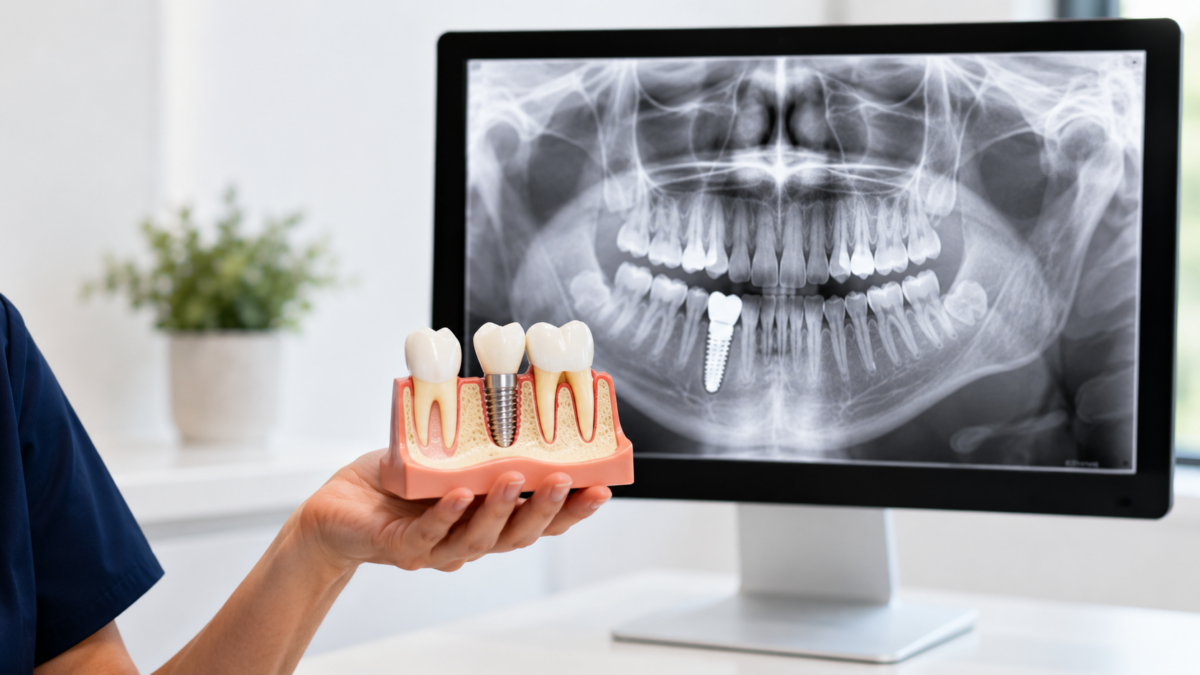
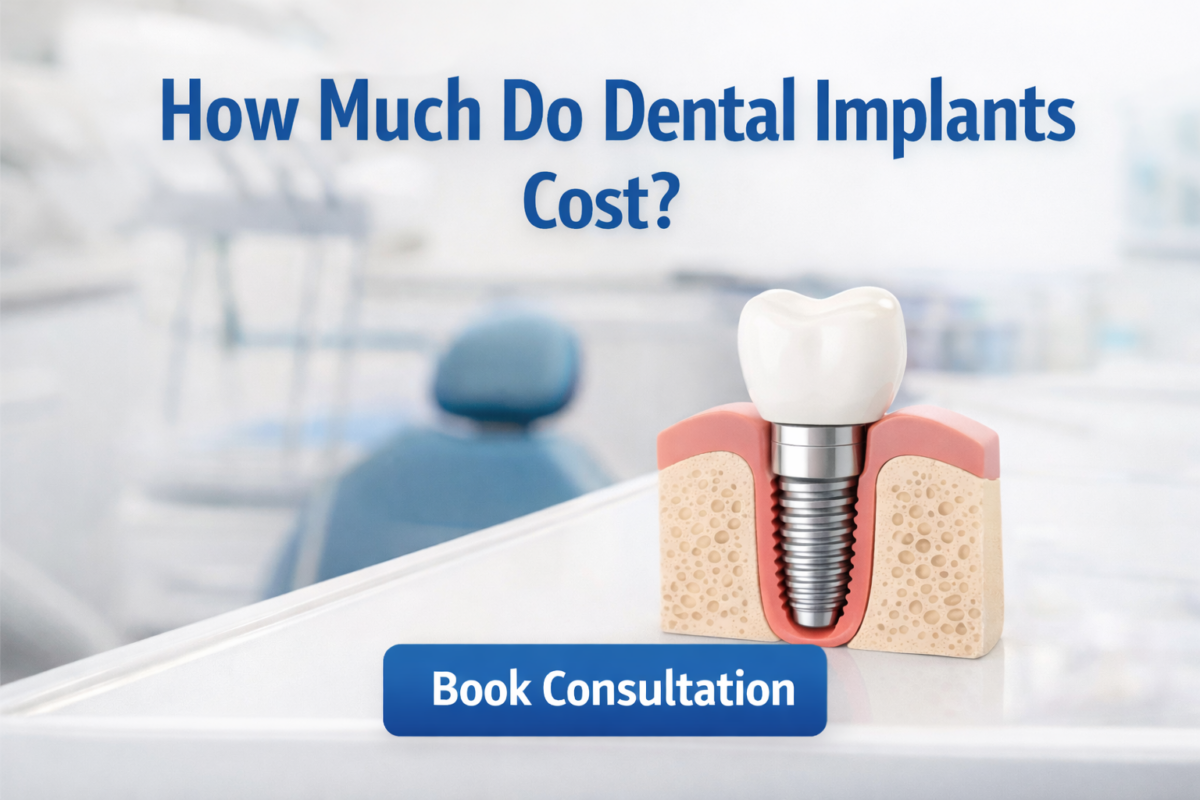
A complete dental implant restoration usually includes:

  • The implant, which sits in the jawbone
  • The abutment, which connects the implant to the replacement tooth
  • The crown, bridge or denture, which is the visible part of the restoration

The aim is to create a replacement tooth that looks, feels and functions as naturally as possible.

Why Consider Dental Implants?

Dental implants are often chosen because they can offer more stability than removable dentures and do not usually require neighbouring healthy teeth to be cut down, as may be needed with some traditional bridges.

Dental implants may help with:

  • Replacing a missing tooth
  • Restoring chewing ability
  • Improving smile appearance
  • Supporting facial structure
  • Preventing gaps from affecting confidence
  • Stabilising loose dentures
  • Replacing several missing teeth with an implant bridge

Every patient is different, so suitability must be assessed carefully before treatment.

Why Choosing a Local Implant Dentist Matters

Choosing a local implant dentist is about more than convenience. Dental implant treatment usually involves several stages, and ongoing aftercare is essential.

A local dental team can support you throughout the full journey, from your first consultation to long-term maintenance.

1. Easier Access to Consultations and Reviews

Dental implant treatment is usually completed over a series of appointments.

These may include:

  • Initial assessment
  • X-rays or scans
  • Treatment planning
  • Implant placement
  • Healing reviews
  • Crown, bridge or denture fitting
  • Maintenance appointments

Choosing an implant dentist in Hammersmith makes it easier to attend these appointments without travelling far.

This is especially helpful if you live or work locally in Hammersmith, Fulham, Shepherd’s Bush, Chiswick, Kensington or West London.

2. Better Long-Term Aftercare

Dental implants require ongoing care. They cannot decay like natural teeth, but the gum and bone around them can still become inflamed or infected if plaque builds up.

Regular dental and hygiene visits help protect the tissues around your implant.

A local implant dentist can monitor your implant, check your bite, assess gum health and advise you on cleaning techniques.

At Hammersmith Dental Care, we place strong emphasis on implant maintenance and gum health because long-term care is key to implant success.

3. Support If You Have a Problem

Although dental implants have a high success rate when planned and maintained properly, problems can still occur.

You should seek advice if you notice:

  • Bleeding around the implant
  • Swelling or redness of the gum
  • Pain when biting
  • Food trapping around the implant
  • A loose implant crown or bridge
  • A bad taste near the implant
  • Changes in how the implant feels

Having a local implant dentist means you can arrange an assessment more easily if something does not feel right.

Early advice can help prevent small problems from becoming more complex.

4. A Personalised Treatment Plan

Dental implant treatment should never be one-size-fits-all.

Before recommending implants, your dentist needs to assess:

  • Your teeth
  • Your gums
  • Your jawbone
  • Your bite
  • Your medical history
  • Your smoking status
  • Your oral hygiene
  • Your smile goals

Some patients may need additional treatment before implants, such as gum disease treatment, dental hygiene care, bone grafting or a sinus lift.

A local implant dentist can take the time to plan treatment around your needs and provide ongoing support at each stage.

5. Understanding Your Oral Health History

If you already attend a local dental practice, your team may have a better understanding of your dental history.

This can be helpful when planning implant treatment because previous gum disease, tooth loss, bite problems or dental wear can influence the treatment plan.

At Hammersmith Dental Care, we look at the whole mouth before recommending implant treatment. This helps us create a plan that supports both appearance and long-term function.

6. Convenient Hygiene and Maintenance Appointments

Implant maintenance is just as important as implant placement.

Professional hygiene care can help reduce plaque and inflammation around implants. Your hygienist can also show you how to clean around your implant crown, bridge or denture at home.

Being close to your dental practice makes it easier to keep up with regular maintenance appointments.

This is particularly important for patients with higher-risk factors such as:

  • Previous gum disease
  • Smoking
  • Diabetes
  • Bone loss
  • Difficult-to-clean implant restorations
  • Teeth grinding or clenching

Who Is Suitable for Dental Implants?

Many adults with missing teeth may be suitable for dental implants, but a full assessment is needed.

You may be suitable if you have:

  • One or more missing teeth
  • Healthy gums or gum disease that is under control
  • Enough bone to support an implant
  • Good oral hygiene
  • Realistic expectations
  • General health that supports healing

You may need additional assessment or treatment if you have:

  • Active gum disease
  • Significant bone loss
  • Heavy smoking habits
  • Poorly controlled diabetes
  • Strong teeth grinding
  • Untreated dental infections
  • Certain medical conditions or medications

Your dentist will discuss your medical and dental history before recommending implant treatment.

Why Gum Health Is Important Before Dental Implants

Healthy gums are essential for dental implant success.

Gum disease is one of the main reasons people lose teeth, and it can also increase the risk of problems around implants if not managed properly.

Before implant treatment, your dentist may recommend:

  • A gum health assessment
  • Professional hygiene treatment
  • Periodontal treatment if needed
  • Improved home cleaning techniques
  • Ongoing maintenance appointments

This helps create a healthier foundation for implant treatment.

Do You Need a Bone Graft Before Dental Implants?

Some patients do not have enough bone to support an implant, especially if the tooth has been missing for a long time.

When a tooth is lost, the jawbone in that area can gradually shrink. If there is not enough bone, your dentist may discuss bone grafting or other treatment options.

In the upper back jaw, some patients may need a sinus lift before implant placement.

A detailed assessment will help determine whether implant placement is possible and whether additional procedures are needed.

What Happens at a Dental Implant Consultation?

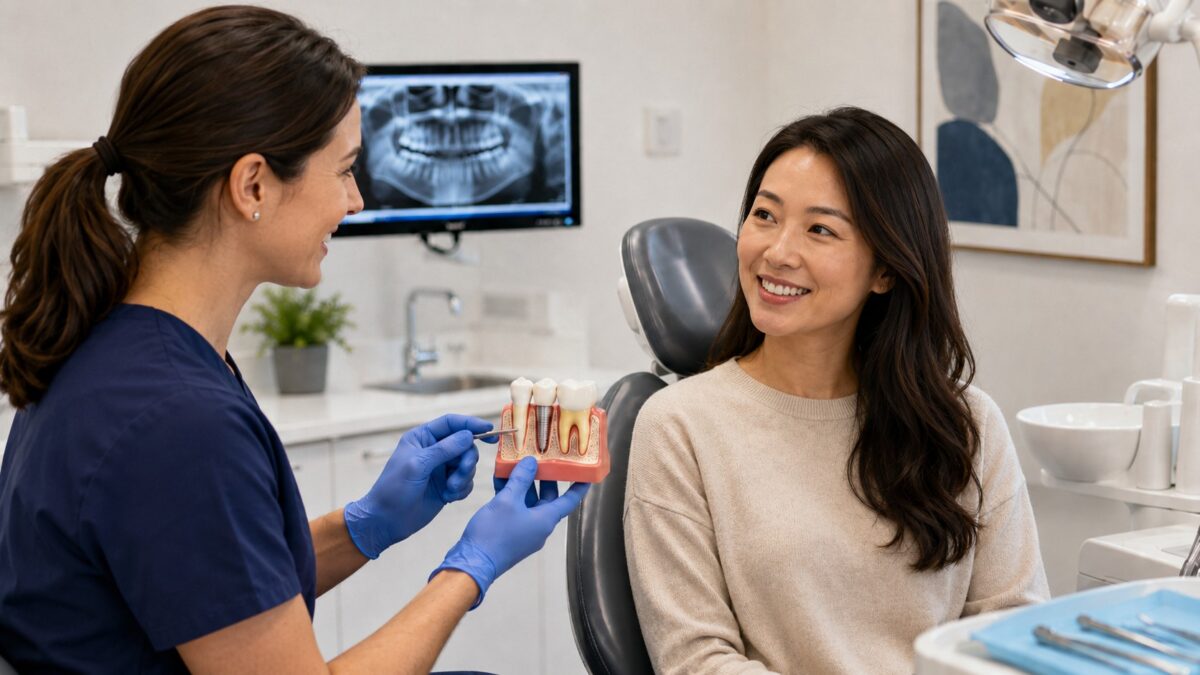
A dental implant consultation is the first step in understanding your options.

During your visit, your dentist may:

  • Ask about your dental concerns and goals
  • Review your medical history
  • Examine your teeth and gums
  • Assess your bite
  • Check the missing tooth area
  • Take X-rays or discuss scans if needed
  • Explain suitable treatment options
  • Discuss costs, stages and expected timelines
  • Explain aftercare and maintenance

This consultation helps determine whether dental implants are appropriate for you.

Dental Implants for One Missing Tooth

If you are missing one tooth, a single dental implant can often support a crown.

This can help restore the gap without using a removable denture. In some cases, it may also avoid the need to prepare neighbouring teeth for a traditional bridge.

A single implant crown is designed to blend with the surrounding teeth for a natural-looking result.

Dental Implants for Several Missing Teeth

If you are missing several teeth, implants can sometimes support a bridge or denture.

This may reduce the need for one implant per missing tooth, depending on your case.

Your dentist will assess the number of missing teeth, bone levels, bite forces and your goals before recommending the best approach.

Dental Implants for Loose Dentures

Some patients struggle with loose or uncomfortable dentures.

Implants can sometimes be used to help stabilise dentures, making them feel more secure when eating, speaking and smiling.

This can be especially helpful for patients who have lost multiple teeth and want improved comfort and confidence.

Why Dental Implant Aftercare Matters

Dental implant aftercare begins as soon as treatment starts and continues for the life of the implant.

To protect your implant, you should:

  • Brush twice daily with fluoride toothpaste
  • Clean around the implant every day
  • Use interdental brushes or floss as advised
  • Attend dental check-ups
  • See the hygienist regularly
  • Avoid smoking where possible
  • Manage diabetes and general health conditions
  • Wear a night guard if you grind your teeth, if recommended
  • Report bleeding, swelling, looseness or pain early

Implants need regular monitoring, even if they feel comfortable.

Why Choose Hammersmith Dental Care for Dental Implants?

At Hammersmith Dental Care, we understand that dental implant treatment is an important decision.

Our approach focuses on:

  • Careful assessment and planning
  • Clear explanation of your options
  • Gum health and hygiene support
  • Natural-looking results
  • Long-term implant maintenance
  • Personalised care for each patient
  • Convenient access for patients in Hammersmith and West London

We aim to help patients feel informed, confident and supported throughout their implant journey.

Dental Implants in Hammersmith and West London

If you are looking for dental implants in Hammersmith, our team can help you understand your options.

We welcome patients from:

  • Hammersmith
  • Fulham
  • Shepherd’s Bush
  • Chiswick
  • Kensington
  • Ravenscourt Park
  • Barons Court
  • West London

Whether you are missing one tooth, several teeth or struggling with loose dentures, a consultation can help you find out what may be possible.

Book a Dental Implant Consultation in Hammersmith

If you are considering dental implants, choosing a local expert can make your treatment journey easier, more personal and better supported over time.

At Hammersmith Dental Care, we can assess your teeth, gums and bone health, explain your options and help you decide whether dental implants are right for you.

Book your dental implant consultation in Hammersmith today and take the first step towards restoring your smile with confidence.

Frequently Asked Questions

Are dental implants suitable for everyone?

Dental implants are suitable for many adults with missing teeth, but not everyone is suitable straight away. Your dentist will assess your gums, bone, bite, medical history and oral hygiene before recommending treatment.

How long do dental implants last?

Dental implants can last for many years with good care. Their lifespan depends on oral hygiene, gum health, bone support, smoking, medical history and regular maintenance.

Is it better to choose a local implant dentist?

Choosing a local implant dentist can make consultations, treatment visits, reviews and long-term maintenance easier. It also means you can access support more quickly if you have concerns.

Do dental implants hurt?

Dental implant treatment is usually carried out with local anaesthetic. Some soreness, swelling or tenderness can occur afterwards, but your dentist will give you aftercare advice to support healing.

Can I have dental implants if I have gum disease?

You may still be suitable, but gum disease usually needs to be stabilised before implant treatment. Healthy gums are important for long-term implant success.

What happens if I do not have enough bone for implants?

If there is not enough bone, your dentist may discuss bone grafting, sinus lift treatment or alternative tooth replacement options.

Can dental implants replace dentures?

Dental implants can sometimes be used to support fixed teeth or stabilise dentures, depending on your bone levels, oral health and treatment goals.

How do I look after dental implants?

You should brush twice daily, clean around the implant carefully, attend regular dental check-ups and see the hygienist as advised. Smoking reduction and good gum health are also important.

Where can I get dental implants in Hammersmith?

Hammersmith Dental Care provides dental implant consultations and care for patients in Hammersmith and surrounding areas of West London.
implant-last-1200x675.jpg

June 7, 2026 GuidelinesServices

How Long Do Dental Implants Last?

Dental implants are one of the most reliable long-term solutions for replacing missing teeth. With good planning, excellent oral hygiene and regular professional maintenance, dental implants can last for many years.

Many patients ask: “How long do dental implants last?” The answer depends on several factors, including your gum health, bone support, oral hygiene, smoking habits, medical history and how well the implant is maintained after treatment.

At Hammersmith Dental Care, we help patients in Hammersmith, Fulham, Shepherd’s Bush, Chiswick, Kensington and across West London look after their dental implants with personalised aftercare and maintenance advice.

What Is a Dental Implant?

A dental implant is a small titanium post placed into the jawbone to replace the root of a missing tooth. Once the implant has healed and integrated with the bone, it can support a crown, bridge or denture.

A complete implant restoration usually has three main parts:

  • The implant, which sits in the jawbone
  • The abutment, which connects the implant to the replacement tooth
  • The crown, bridge or denture, which is the visible part of the restoration

While the implant itself is designed to be long-lasting, the crown or bridge attached to it may need maintenance, repair or replacement over time due to normal wear.

Can Dental Implants Last a Lifetime?

Dental implants can last a very long time, but no dental treatment can be guaranteed to last forever. Implant success depends on both the quality of the treatment and the care provided afterwards.

The implant may remain stable for many years, but the surrounding gum and bone must stay healthy. Just like natural teeth, implants need daily cleaning and regular professional checks.

The best way to improve the lifespan of a dental implant is to treat it as an important part of your mouth that needs ongoing care, not as a “fit and forget” solution.

What Affects How Long Dental Implants Last?

Several factors can influence the long-term success of dental implants.

1. Oral Hygiene

Good oral hygiene is one of the most important factors in dental implant maintenance. Plaque bacteria can collect around implants in the same way they collect around natural teeth.

If plaque is not removed properly, the gum around the implant can become inflamed. Over time, this may lead to bone loss around the implant.

To protect your implant, it is important to brush thoroughly and clean around the implant every day using the tools recommended by your dentist or hygienist.

2. Gum Health

Healthy gums are essential for successful dental implants. Patients with a history of gum disease may have a higher risk of developing problems around implants if their gum condition is not well controlled.

Before placing implants, it is important to assess and stabilise gum disease. After implant treatment, ongoing gum and implant maintenance is needed to reduce the risk of inflammation and infection.

At Hammersmith Dental Care, we place strong emphasis on gum health before, during and after implant treatment.

3. Smoking

Smoking can increase the risk of implant complications. It can affect healing, reduce blood flow to the gums and make it harder for the tissues around the implant to stay healthy.

Patients who smoke may still be suitable for dental implants, but they should be aware of the increased risks. Stopping or reducing smoking can help improve long-term implant outcomes.

4. Diabetes and General Health

Certain medical conditions can affect healing and implant success. Diabetes, especially if poorly controlled, may increase the risk of gum and implant-related problems.

If you have diabetes or another medical condition, your dentist will discuss your health history before treatment and may recommend additional maintenance appointments after implant placement.

5. Teeth Grinding or Clenching

Grinding or clenching your teeth can place extra pressure on dental implants and restorations. This can increase the risk of wear, screw loosening, crown damage or bone stress around the implant.

If you grind your teeth, your dentist may recommend a custom night guard to protect your implant and natural teeth.

6. Regular Professional Maintenance

Even if your implant feels comfortable, regular reviews are essential. Early implant problems may not always cause pain, which means professional checks are important for detecting issues before they become more serious.

Your dentist or hygienist can check the gum condition, cleaning access, bite pressure and stability of the implant restoration.

Dental Implant Aftercare: How to Look After Your Implant

Good aftercare starts immediately after treatment and continues for the life of the implant.

Immediately After Implant Surgery

After dental implant surgery, your dentist will give you specific instructions. These may include advice on cleaning, eating, swelling, medication and follow-up appointments.

General aftercare may include:

  • Avoid disturbing the surgical area
  • Follow your dentist’s cleaning instructions carefully
  • Eat softer foods during the early healing stage
  • Avoid smoking, especially during healing
  • Take prescribed medication as directed
  • Attend your review appointments
  • Contact the practice if you notice unusual pain, swelling or bleeding

Every patient is different, so always follow the personalised advice provided by your dental team.

Daily Dental Implant Care at Home

Once the implant has healed and your final crown, bridge or denture has been fitted, daily cleaning becomes essential.

To care for your dental implant:

  • Brush twice a day with fluoride toothpaste
  • Clean carefully around the implant crown
  • Use interdental brushes, floss or implant-specific cleaning aids as advised
  • Clean underneath implant bridges where recommended
  • Avoid using sharp objects around the implant
  • Use a water flosser if recommended by your hygienist
  • Keep your regular hygiene appointments

Your hygienist can show you the best way to clean around your specific implant restoration.

How Often Should Dental Implants Be Checked?

Dental implants should be checked regularly by your dentist or hygienist. The frequency depends on your individual risk factors.

Some patients may only need routine reviews, while others may need more frequent maintenance if they have a history of gum disease, smoking, diabetes, bone loss or difficult-to-clean implant restorations.

At Hammersmith Dental Care, we create a personalised maintenance plan to help protect your implant and surrounding tissues.

What Is Peri-Implantitis?

Peri-implantitis is inflammation and infection around a dental implant that can lead to bone loss if left untreated. It is sometimes compared to gum disease around natural teeth.

Early inflammation around an implant may be called peri-implant mucositis. At this stage, the gum may be inflamed but bone loss has not yet progressed. If the problem advances, peri-implantitis can develop.

Signs to look out for may include:

  • Bleeding when brushing around the implant
  • Swelling or redness of the gum
  • Bad taste or discharge
  • Gum recession around the implant
  • Looseness of the implant crown or bridge
  • Pain or discomfort when biting
  • A feeling that the implant has changed position

However, implant problems do not always cause obvious symptoms. This is why regular professional checks are important.

How Can You Reduce the Risk of Implant Problems?

The best way to reduce the risk of implant problems is prevention.

You can help protect your dental implant by:

  • Maintaining excellent daily cleaning
  • Seeing the hygienist regularly
  • Attending implant review appointments
  • Stopping or reducing smoking
  • Managing diabetes and general health conditions
  • Wearing a night guard if you grind your teeth
  • Avoiding chewing very hard objects
  • Reporting changes early, such as bleeding, swelling or looseness

Small problems are often easier to manage when they are detected early.

Do Dental Implant Crowns Need Replacing?

The implant placed in the bone may last for many years, but the crown, bridge or denture attached to it can wear over time.

An implant crown may need repair or replacement if it becomes chipped, worn, loose, damaged or no longer matches the surrounding teeth. This does not always mean the implant itself has failed.

Regular reviews help your dentist check both the implant and the restoration attached to it.

Are Dental Implants Hard to Maintain?

Dental implants are not difficult to maintain, but they do require commitment. The most important habits are good daily cleaning and regular professional care.

Many patients find implant care straightforward once they have been shown the correct techniques. The right cleaning tools can make a big difference, especially for implant bridges or areas that are harder to reach.

Your dental team will recommend the best brushes, floss or interdental aids for your implant.

Why Choose Hammersmith Dental Care for Dental Implant Maintenance?

Choosing a dental practice for implant treatment is only part of the journey. Long-term care is just as important.

At Hammersmith Dental Care, we support patients before, during and after dental implant treatment. Our approach focuses on careful assessment, gum health, personalised aftercare and ongoing maintenance.

We welcome patients from Hammersmith, Fulham, Shepherd’s Bush, Chiswick, Kensington, Ravenscourt Park and West London who are considering implants or already have dental implants and want professional maintenance.

When Should You Book an Implant Review?

You should book an implant review if:

  • Your implant feels loose
  • Your implant crown or bridge feels loose
  • Your gums bleed around the implant
  • You notice swelling, redness or tenderness
  • You have discomfort when biting
  • Food keeps trapping around the implant
  • You have not had your implant checked for a while
  • You are worried about implant maintenance
  • You have gum disease or diabetes and want professional advice

Early assessment can help protect your implant and avoid more complex treatment later.

Book a Dental Implant Maintenance Appointment in Hammersmith

If you have dental implants or are considering implant treatment, regular maintenance is essential for long-term success.

At Hammersmith Dental Care, we can assess your implant, check your gum health and provide personalised advice on how to care for your implant at home.

Book your dental implant maintenance appointment in Hammersmith today and protect your smile for the future.

Frequently Asked Questions

How long do dental implants last?

Dental implants can last many years with good care, but their lifespan depends on oral hygiene, gum health, bone support, smoking, medical history and regular professional maintenance.

Can dental implants last forever?

Dental implants can be very long-lasting, but they cannot be guaranteed to last forever. Ongoing care and regular dental reviews are essential.

How do I clean around a dental implant?

Brush twice daily and clean around the implant using interdental brushes, floss or implant-specific cleaning aids recommended by your dentist or hygienist.

Do dental implants get gum disease?

Dental implants cannot decay like natural teeth, but the gum and bone around them can become inflamed or infected. This is why implant maintenance is so important.

What is peri-implantitis?

Peri-implantitis is inflammation and infection around a dental implant that can cause bone loss if left untreated.

Do dental implants need hygienist appointments?

Yes. Regular hygienist appointments help remove plaque and bacteria from around the implant and allow early signs of inflammation to be detected.

Can smoking affect dental implants?

Yes. Smoking can increase the risk of implant complications and may affect healing and long-term gum health.

Can I get dental implants if I have gum disease?

You may still be suitable, but gum disease should usually be stabilised before implant treatment. Ongoing gum maintenance is important after implants are placed.

What should I do if my dental implant feels loose?

Contact your dentist as soon as possible. A loose crown, bridge or implant should be assessed promptly.

Where can I get dental implant maintenance in Hammersmith?

Hammersmith Dental Care provides dental implant maintenance and aftercare advice for patients in Hammersmith and surrounding areas of West London.

candidate-1200x800.png

April 22, 2026 GuidelinesServices

Dental implants are widely considered the most reliable and long-lasting solution for replacing missing teeth. However, not every patient is immediately suitable for this treatment. Understanding whether you are a good candidate for dental implants helps you make informed decisions and ensures the best possible outcome.

This guide explains the key factors that determine dental implant candidates, helping answer the common question: “am I suitable for implants?”

What Are Dental Implants?

Dental implants are small titanium posts placed into the jawbone to replace missing tooth roots. They support crowns, bridges, or dentures and function just like natural teeth.

Ideal Candidates for Dental Implants

You are likely a strong candidate for dental implants if you meet the following criteria:

1. Good Overall Oral Health

Healthy gums are essential. Patients should be free from active gum disease or infections before implant placement.

2. Sufficient Jawbone Density

Adequate bone is needed to support the implant securely. If bone loss has occurred, procedures such as bone grafting may be required beforehand.

3. Non-Smoker or Willing to Quit

Smoking can significantly affect healing and increase the risk of implant failure. Patients who quit or reduce smoking have better outcomes.

4. Good General Health

Conditions such as uncontrolled diabetes or immune disorders can impact healing. A thorough medical history review is essential.

5. Commitment to Oral Hygiene

Long-term success depends on proper brushing, flossing, and regular dental visits.

Who May Need Additional Assessment?

Not all patients are excluded if they don’t meet ideal criteria. Some may still be suitable with preparatory treatment.

Patients with Bone Loss

Jawbone loss is common after missing teeth. Bone grafting or sinus lift procedures can often make implants possible.

Patients with Gum Disease

Gum disease must be treated and stabilised before implant placement. A periodontal assessment is typically recommended.

Patients with Medical Conditions

Conditions such as diabetes can be managed successfully if well-controlled. Your dentist will work closely with you to assess risks.

Risk Factors That Can Affect Implant Success

Understanding potential risks helps improve outcomes and reduce complications.

Smoking

Increases risk of infection and implant failure.

Poor Oral Hygiene

Can lead to peri-implantitis (infection around the implant).

Chronic Health Conditions

Uncontrolled systemic diseases may delay healing.

Teeth Grinding (Bruxism)

Excessive pressure can affect implant stability. A night guard may be recommended.

Am I Suitable for Implants?

The only way to determine your suitability is through a professional consultation. This typically includes:

  • Full dental examination
  • Digital X-rays or 3D scans
  • Gum health assessment
  • Medical history review

A personalised treatment plan will then be created based on your specific needs.

Benefits of Choosing Dental Implants

For suitable candidates, dental implants offer:

  • Natural appearance and function
  • Long-lasting results
  • Preservation of jawbone structure
  • Improved confidence and comfort

Dental Implants in Hammersmith & West London

If you are considering dental implants and want to know if you are a suitable candidate, a professional assessment is the first step. Early evaluation can help identify any risk factors and allow for proper planning.

Book Your Implant Consultation

If you’re asking “am I suitable for implants?”, the best next step is a comprehensive consultation. This allows your dentist to assess your oral health, discuss options, and guide you toward the most appropriate treatment.

Schedule your consultation today and take the first step toward restoring your smile with confidence.


Dental-implant-procedure-in-progress-1200x800.png

April 10, 2026 Guidelines

Losing a tooth is more than just a cosmetic concern—it can lead to jaw bone loss, affecting your oral health, facial structure, and long-term dental stability. Many patients are unaware that once a tooth is lost, the underlying bone begins to shrink.

In this guide, we’ll explain why bone loss happens, how it progresses, and how dental implants play a crucial role in implants bone preservation.

What Happens After Tooth Loss?

When a tooth is removed or lost, the surrounding bone (called the alveolar bone) no longer receives stimulation from chewing forces. This stimulation is essential to maintain bone density.

Without it:

  • The bone begins to shrink (resorb)
  • Nearby teeth may shift
  • Facial structure can change over time

In fact, up to 25% of bone volume can be lost within the first year after tooth loss.

Why Jaw Bone Loss Is a Serious Concern

Jaw bone loss doesn’t just affect your smile—it can have wider consequences:

  1. Changes in Facial Appearance
  • Sunken cheeks
  • Premature ageing
  • Thinner lips
  1. Difficulty Eating and Speaking
  • Reduced bite strength
  • Shifting teeth affecting speech
  1. Future Dental Complications
  • Increased risk of gum disease
  • Difficulty placing restorations later

The longer the gap remains untreated, the more complex treatment becomes.

How Dental Implants Prevent Bone Loss

Dental implants are widely regarded as the gold standard solution for replacing missing teeth—and for good reason.

What Makes Implants Different?

Unlike dentures or bridges, dental implants:

  • Replace the tooth root (not just the crown)
  • Integrate with the bone (osseointegration)
  • Stimulate the jaw during chewing

The Key Benefit: Implants Bone Preservation

Because implants mimic natural tooth roots:

  • They maintain bone density
  • Prevent further resorption
  • Help preserve facial structure

This makes them the only long-term solution that actively protects your jawbone.

Dental Implants vs Other Tooth Replacement Options

Option Prevents Bone Loss Stability Longevity
Dentures ❌ No Moderate Medium
Dental Bridge ❌ No Good Medium
Dental Implants ✅ Yes Excellent Long-term

While other options restore appearance, only implants support true implants bone preservation.

Can Bone Loss Be Reversed?

In some cases, yes.

If bone loss has already occurred, treatments such as:

  • Bone grafting
  • Sinus lifts

can rebuild the jawbone before placing implants.

However, early intervention is always better—preventing bone loss is easier than rebuilding it.

Who Is Suitable for Dental Implants?

Most healthy adults are candidates, but ideal conditions include:

  • Good overall oral health
  • Healthy gums
  • Adequate bone volume (or suitability for grafting)

A professional assessment will determine the best treatment plan for you.

Why Early Treatment Matters

The longer you wait after losing a tooth:

  • The more bone is lost
  • The more complex treatment becomes
  • The higher the cost and treatment time

 Acting early can save both your bone and your smile.

Expert Advice: Protect Your Jawbone Early

At our clinic, we focus on preventive and long-term solutions, not just quick fixes. Dental implants are not only about replacing missing teeth—they’re about preserving your oral health for years to come.

Book Your Consultation Today

If you’ve lost a tooth or are considering replacement options, now is the time to act.

Don’t wait for jaw bone loss to progress.
Book a consultation to explore whether dental implants are right for you.


cost-of-implant-1200x800.png

February 19, 2026 GuidelinesServices

If you’re searching for dental implant cost in London, chances are you’re seriously considering treatment — and want clear, honest answers before booking.

Dental implants are a long-term investment in your smile, comfort, and confidence. In this guide, we’ll break down how much dental implants cost in London, what affects the price, and how to decide if implants are right for you.

How Much Do Dental Implants Cost in London?

In London, the average cost of a single dental implant typically ranges from:

£2,000 – £3,500 per tooth

This usually includes:

  • Implant (titanium screw)
  • Abutment (connector)
  • Final crown (visible tooth)
  • Surgical placement
  • Follow-up appointments

 Be cautious of very low prices — implants are a precision treatment, and quality materials and expertise matter.

What Affects the Cost of Dental Implants?

There isn’t a one-size-fits-all price. Several factors influence the final cost:

1. Number of Implants Needed

Replacing one tooth costs less than replacing multiple teeth or a full arch.

2. Bone Density & Preparation

Some patients require:

  • Bone grafting
  • Sinus lift procedures

These add complexity — and cost — but improve long-term success.

3. Implant Brand & Materials

High-quality, well-researched implant systems cost more but offer:

  • Better integration
  • Higher success rates
  • Longer lifespan

4. Experience of the Implant Dentist

Expert planning and surgical skill reduce complications and improve outcomes — an important factor when choosing where to book.

Are Dental Implants Worth the Cost?

For many patients, yes — absolutely.

Compared to bridges or dentures, dental implants:

  • Last significantly longer
  • Protect jawbone health
  • Look and feel like natural teeth
  • Don’t rely on neighbouring teeth for support

While the upfront cost is higher, implants often prove more cost-effective long term.

Why Dental Implant Prices Vary Across London

If you’ve searched “implants near me”, you’ll notice prices vary widely.

This is often due to:

  • Clinic location and overheads
  • Technology used (3D scans, digital planning)
  • Length of aftercare and follow-up
  • Whether treatment is done by a general dentist or implant specialist

Always compare what’s included, not just the headline price.

Can I Spread the Cost of Dental Implants?

Many London clinics offer payment plans or finance options to make implants more affordable.

This allows you to:

  • Spread the cost monthly
  • Start treatment sooner
  • Avoid compromising on quality

 Ask about flexible payment options during your consultation.

What’s Included in a Dental Implant Consultation?

A proper implant consultation usually includes:

  • Full oral examination
  • 3D imaging or X-rays
  • Assessment of bone and gum health
  • Personalised treatment plan
  • Transparent cost breakdown

This is the best way to get an accurate price — not just an online estimate.

Looking for Dental Implants Near You in London?

If you’re ready to move forward, the next step is simple.

– Get expert advice
– Understand your exact costs
– Explore your treatment options
– Ask questions — with no pressure

 Book a dental implant consultation today and find out exactly how much your treatment would cost.

Ready to Book?

Dental implants are a long-term solution — choosing the right team matters.
Speak to an experienced implant dentist and take the first step towards a confident, complete smile.


implant-benefit-1200x800.png

February 12, 2026 GuidelinesServices

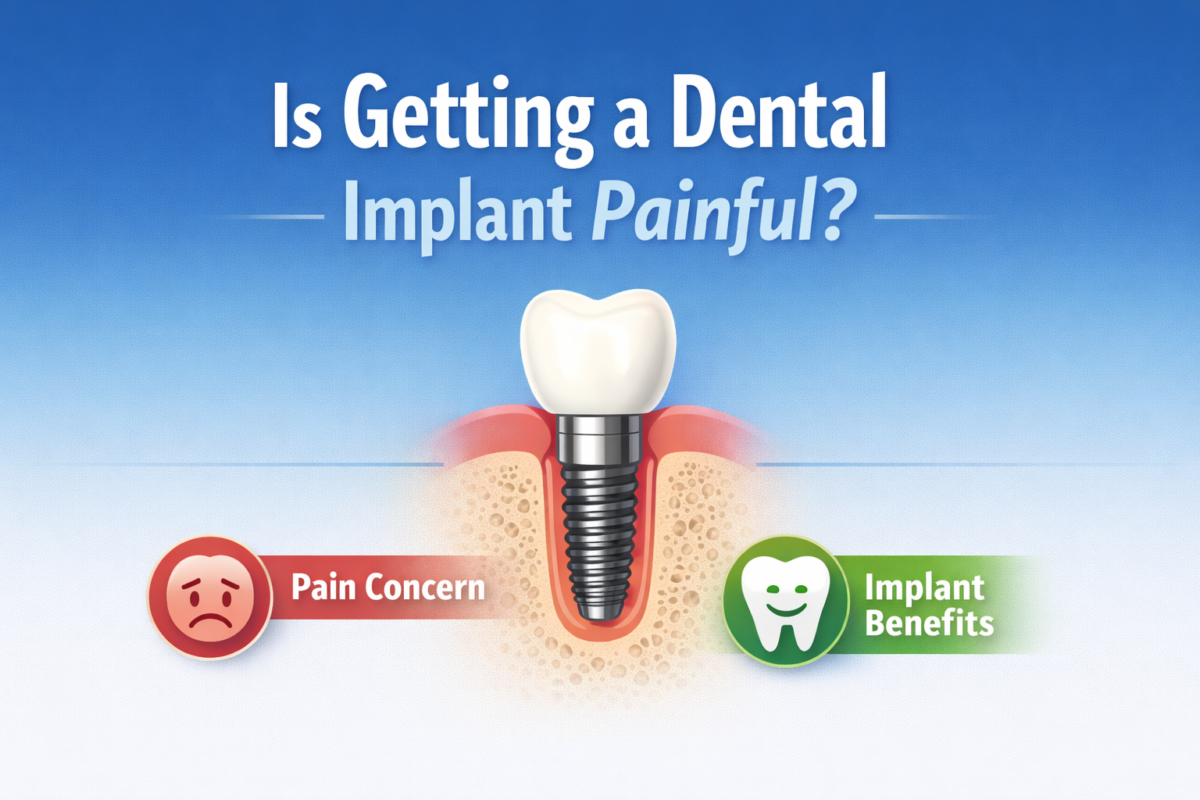
If you’re considering dental implants but feeling nervous about pain, you’re not alone. One of the most common questions patients ask is: “Is getting a dental implant painful?”

The short reassurance?
Most patients say dental implant treatment is far less painful than they expected.

In this guide, we’ll explain exactly what dental implant pain feels like, how long recovery takes, and what you can do to heal comfortably and confidently.

Does Getting a Dental Implant Hurt?

During the dental implant procedure, you should not feel pain. The area is fully numbed with local anaesthetic, similar to what’s used for fillings or tooth extractions.

Many patients are surprised to learn that:

  • Dental implant surgery is often less uncomfortable than having a tooth removed
  • You may feel pressure or vibration, but not sharp pain
  • Anxiety is usually worse than the procedure itself

If you’re particularly nervous, sedation options may also be available to help you relax.

What Does Dental Implant Pain Feel Like Afterwards?

After the anaesthetic wears off, it’s normal to experience mild to moderate discomfort, especially in the first few days.

Common sensations include:

  • Soreness around the implant site
  • Mild swelling of the gums or cheek
  • Slight bruising
  • Tenderness when chewing

This is all part of the normal healing process and is usually well managed with over-the-counter pain relief.

Most patients describe the pain as dull and manageable, not severe.

Dental Implant Recovery Time: What to Expect

First 24–72 Hours

  • Mild swelling and tenderness peak
  • Soft foods recommended
  • Pain relief as advised by your dentist

1–2 Weeks

  • Gums begin to heal
  • Stitches (if used) may dissolve or be removed
  • Discomfort significantly reduces

3–6 Months (Healing Phase)

  • The implant integrates with the jawbone (osseointegration)
  • No ongoing pain
  • Implant becomes stable and strong

 Implant recovery time varies, but most patients return to normal routines within a few days.

How Painful Is Dental Implant Healing Compared to Other Treatments?

Many patients report that dental implant pain is:

  • Less than wisdom tooth removal
  • Comparable to a routine extraction
  • Easier than expected overall

Because implants don’t involve neighbouring teeth, recovery is often smoother than bridges or more invasive dental procedures.

Dental Implant Aftercare Tips to Reduce Pain

Following proper aftercare plays a huge role in keeping discomfort minimal and healing on track.

Do:

✔ Take prescribed or recommended pain relief
✔ Apply a cold compress for swelling
✔ Eat soft foods (soups, yoghurt, mashed vegetables)
✔ Keep the area clean with gentle brushing

Avoid:

✖ Smoking (this delays healing)
✖ Hard, crunchy, or sticky foods
✖ Touching the implant site
✖ Strenuous exercise for a few days

Good aftercare = faster healing + less pain.

When Should You Be Concerned About Pain?

While mild discomfort is normal, you should contact your dentist if you experience:

  • Severe or worsening pain after several days
  • Increasing swelling or redness
  • Fever or signs of infection
  • Pain when biting months after placement

These issues are uncommon but should always be checked promptly.

Are Dental Implants Worth It Despite the Fear of Pain?

For most patients, the answer is yes.

Dental implants:

  • Look and feel like natural teeth
  • Restore chewing comfort and confidence
  • Prevent bone loss in the jaw
  • Offer a long-term solution compared to dentures or bridges

And importantly — the pain is temporary, the benefits are long-lasting.

Thinking About Dental Implants?

If fear of pain has been holding you back, a personalised consultation can make all the difference. Understanding the process, recovery time, and pain management options helps patients feel confident and in control.

 Book your consultation with our implant dentist to discuss your concerns and find out whether dental implants are right for you.


implant-procedure-1200x800.png

January 31, 2026 GuidelinesServices

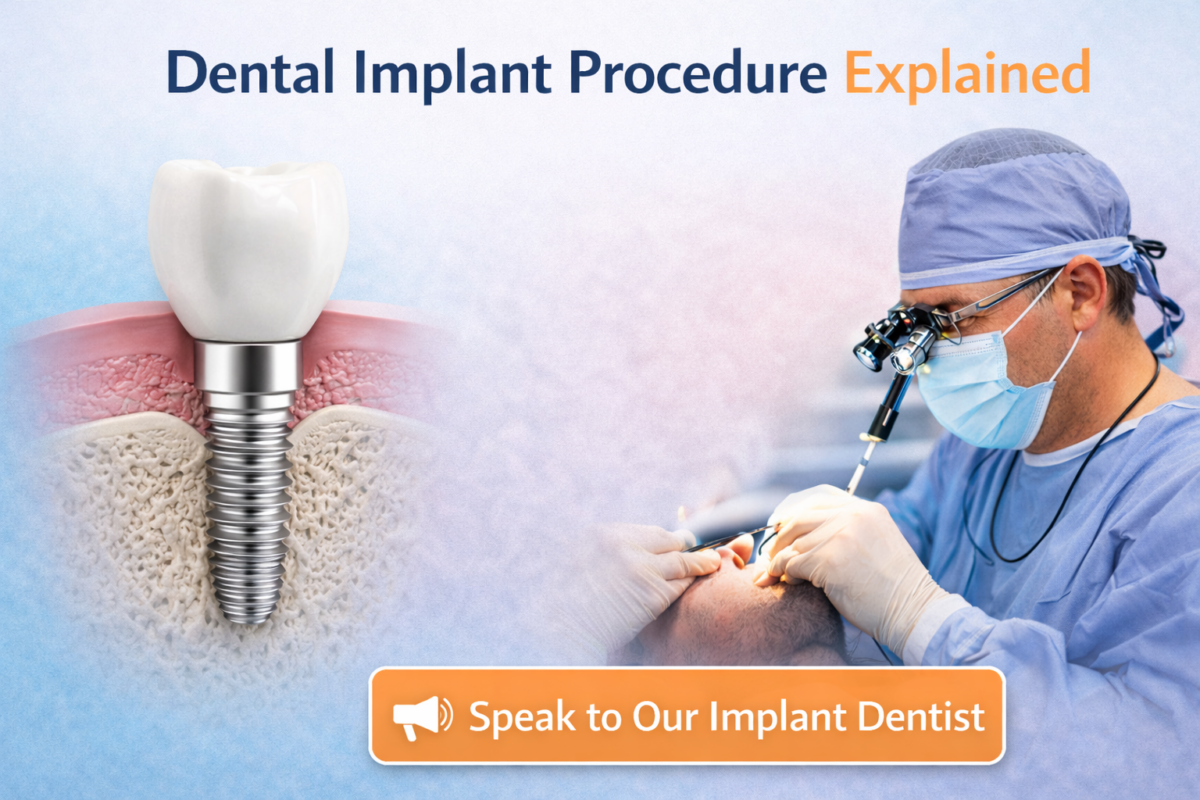
If you’ve been told you need a dental implant, it’s completely normal to feel a little nervous. One of the most common concerns we hear at Hammersmith Dental Care is:

“What actually happens during a dental implant procedure?”

The good news? Modern implant dentistry is carefully planned, highly predictable, and far more comfortable than many patients expect.

This step-by-step guide explains the dental implant procedure, what you’ll experience at each stage, and how we ensure patients across Hammersmith and Fulham feel informed, relaxed, and confident throughout the process.


What Is a Dental Implant?

A dental implant is a small titanium post that replaces the root of a missing tooth. It is placed into the jawbone and supports a natural-looking crown, bridge, or denture.

Dental implants are considered the gold standard for replacing missing teeth because they:

  • Look and feel like natural teeth
  • Protect the jawbone from shrinkage
  • Do not rely on neighbouring teeth for support
  • Can last many years with proper care


Step 1: Initial Consultation & Assessment

Every successful dental implant procedure starts with careful planning.

During your consultation at Hammersmith Dental Care, your implant dentist will:

  • Assess your oral and general health
  • Take detailed digital X-rays or 3D scans
  • Check bone quality and gum health
  • Discuss your goals and concerns
  • Explain whether additional treatments (such as bone grafting) are needed

This stage is crucial — it ensures your implant surgery process is safe, personalised, and predictable.


Step 2: Preparing for Implant Surgery

If your mouth is healthy and ready, we move to the preparation stage.

This may include:

  • Treating gum disease if present
  • Removing a failing tooth (if required)
  • Planning bone grafting if bone volume is insufficient

Many patients are surprised to learn that preparation is often minor and straightforward.


Step 3: Implant Placement (The Surgery)

This is the part most patients worry about — but it’s usually the easiest.

What happens during implant surgery?

  • The area is fully numbed using local anaesthetic
  • The implant is gently placed into the jawbone
  • The procedure is precise and controlled
  • Most patients feel pressure, not pain

In fact, many people say implant placement is more comfortable than a tooth extraction.

 Time:
Usually 30–60 minutes per implant


Step 4: Healing & Osseointegration

After placement, the implant needs time to bond with the jawbone — a process called osseointegration.

What to expect:

  • Mild swelling or tenderness for a few days
  • Normal daily activities resumed quickly
  • The implant gradually becomes part of the bone

 Healing time:
Typically 3–6 months, depending on individual healing and bone quality.

This stage is key to creating a strong, long-lasting foundation for your new tooth.


Step 5: Abutment & Final Tooth Placement

Once healing is complete:

  1. A small connector (abutment) is attached to the implant
  2. Custom impressions are taken
  3. Your final crown is carefully designed to match your natural teeth
  4. The crown is securely fitted

The result is a tooth that looks, feels, and functions just like a natural one.


Is the Dental Implant Procedure Painful?

This is one of the biggest fears — and one of the biggest misconceptions.

Most patients report:

  • Little to no pain during surgery
  • Mild discomfort afterwards, managed with standard pain relief
  • A smoother recovery than expected

Your comfort is always a priority at Hammersmith Dental Care, and we take time to explain each step so there are no surprises.


How Long Does the Full Implant Process Take?

The full implant surgery process varies depending on your individual needs:

  • Simple cases: around 3–4 months
  • More complex cases: up to 6–9 months

While it takes time, the result is a stable, long-term solution that protects both your smile and jawbone.


Why Choose Dental Implants?

Dental implants are ideal if you want:

  • A fixed, non-removable solution
  • A natural appearance
  • Improved chewing and speech
  • Long-term tooth replacement
  • To avoid dentures or bridges

Patients across Hammersmith and Fulham choose implants because they restore confidence as well as function.


Speak to Our Implant Dentist

If you’re considering dental implants but still have questions or concerns, the best next step is a personalised consultation.

At Hammersmith Dental Care, we believe informed patients feel calmer, more confident, and more in control of their treatment.

 Speak to our implant dentist today to find out whether dental implants are right for you.


Get in touch

Contact us now

Please note that fees may vary but will be confirmed at the consultation and a written estimate will be given before treatment commences.


CONTACT

(+44) 020 8741 4777


Contact via Email

enquiries@ hammersmithdentalcare.com


Follow us

Our Activity

Join us on social media to explore innovation and empowerment.


Copyright by MoReel 2025. All rights reserved.