
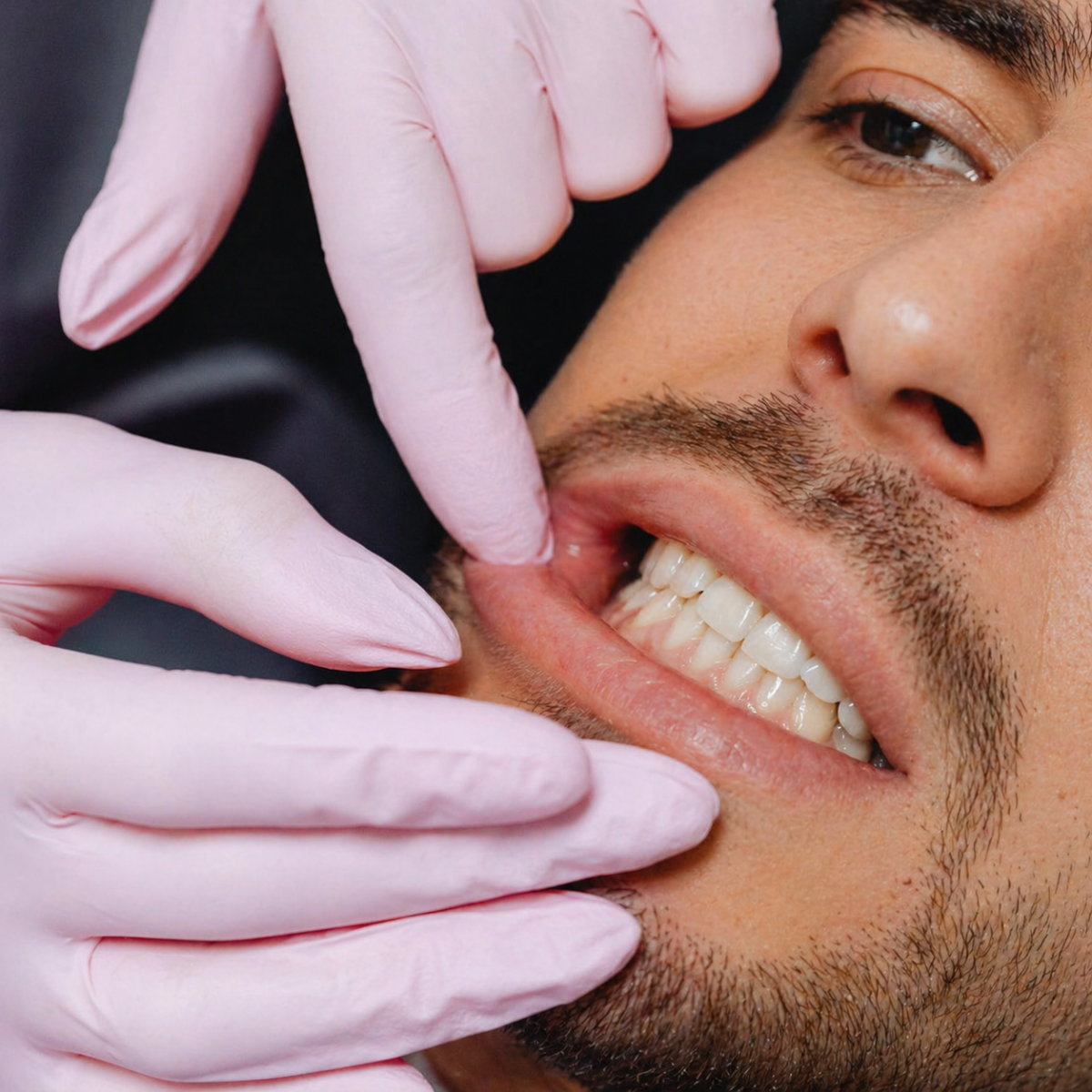
What Is Gum Recession?
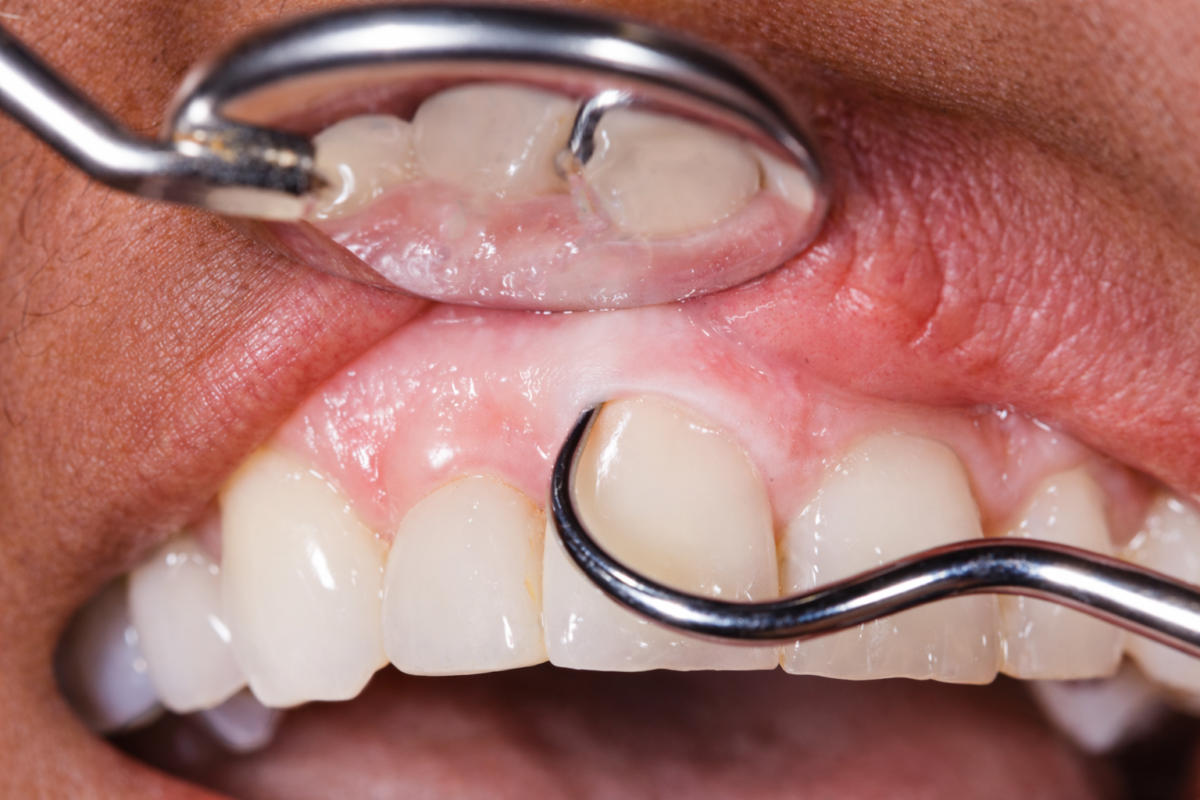
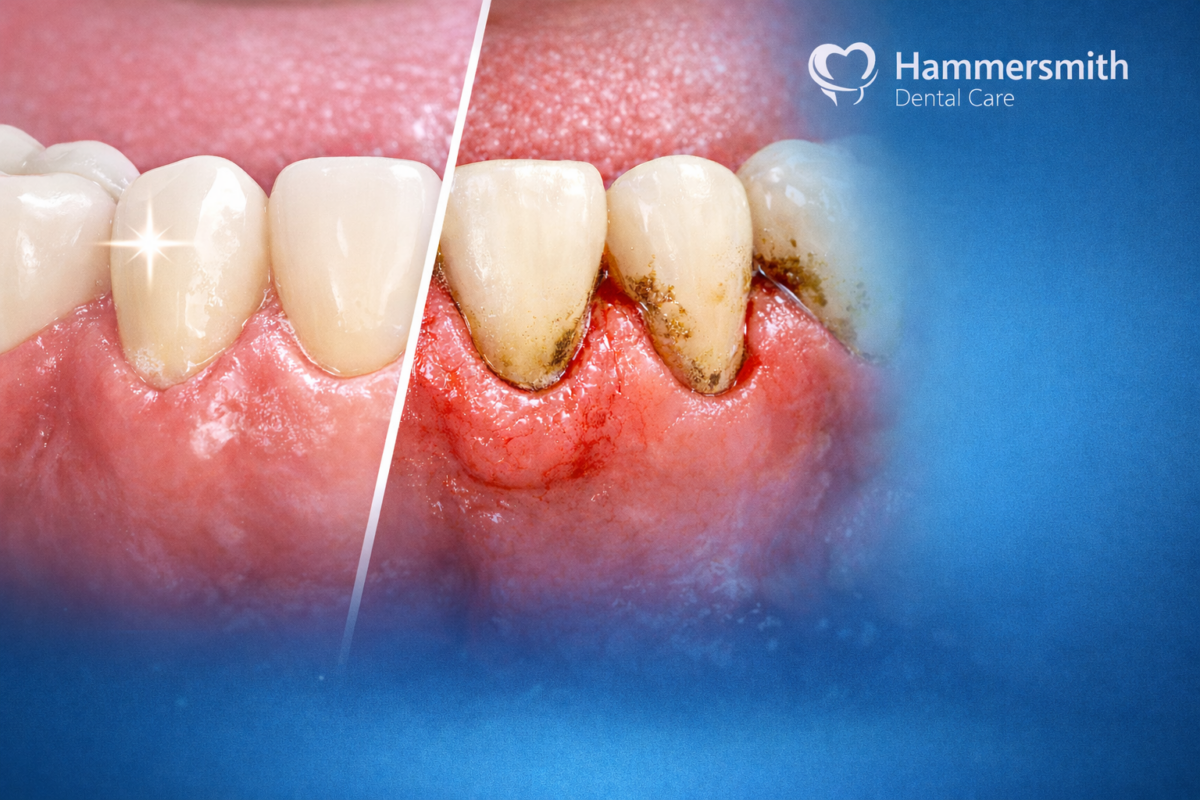
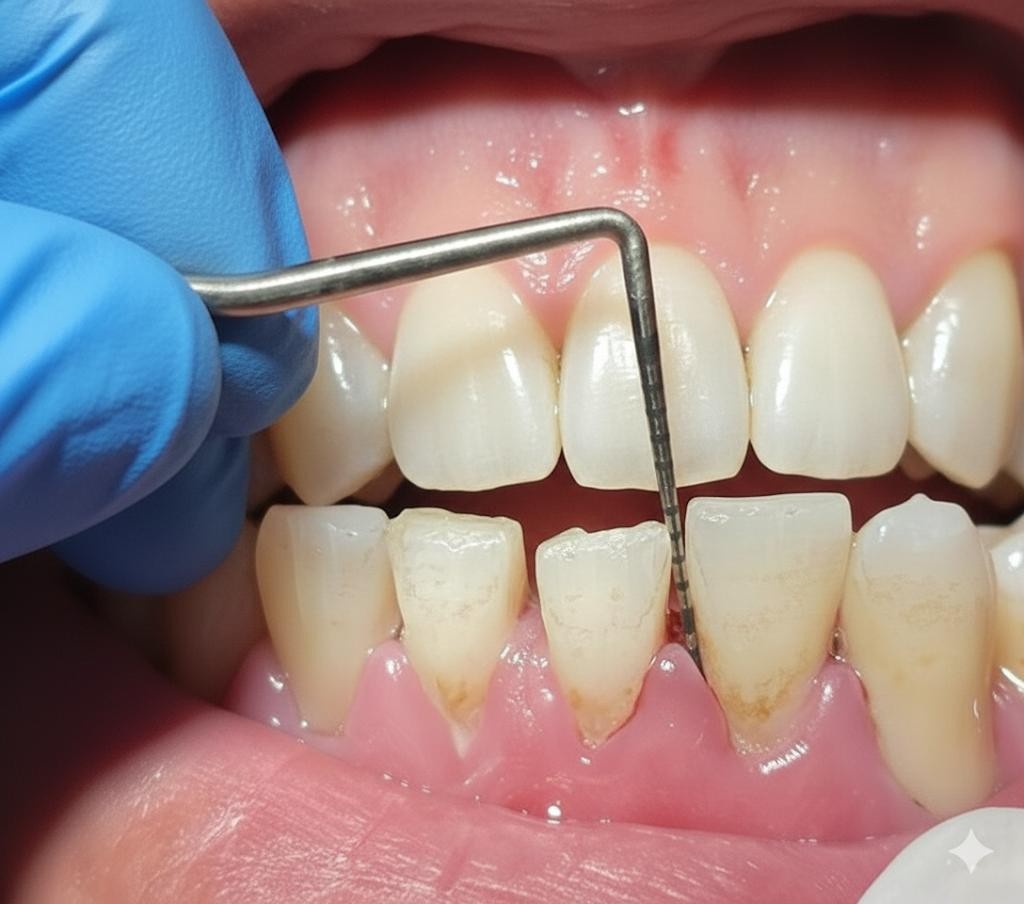
Gum recession occurs when the gum tissue surrounding your teeth gradually pulls back, exposing more of the tooth—or even the root. This can lead to sensitivity, increased risk of decay, and aesthetic concerns.
Receding gums often develop slowly, meaning many patients do not notice the problem until it becomes more advanced.
Common Causes of Receding Gums
Understanding the underlying cause is essential for effective gum recession treatment in general. The most frequent factors include:
- Gum Disease (Periodontitis)
The leading cause of receding gums. Bacterial infection damages gum tissue and supporting bone.
- Aggressive Brushing
Brushing too hard or using a hard-bristled toothbrush can wear away gum tissue over time.
- Poor Oral Hygiene
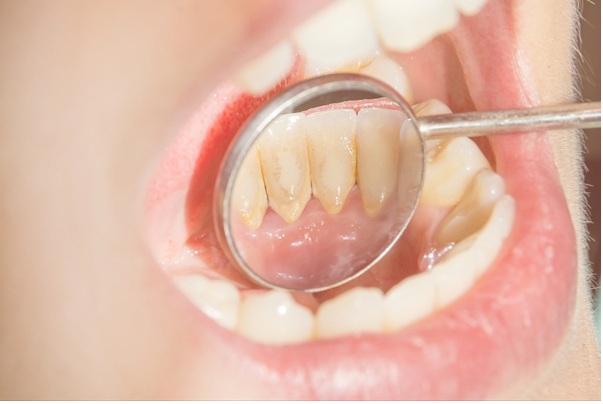
Plaque build-up leads to inflammation, which can contribute to gum recession.
- Teeth Grinding (Bruxism)
Excessive force on teeth can strain supporting structures, including the gums.
- Genetics
Some patients are simply more prone to thinner or weaker gum tissue.
- Smoking
Tobacco use restricts blood flow and impairs healing, increasing risk.
Signs and Symptoms
If you notice any of the following, it may indicate receding gums:
- Tooth sensitivity (especially to cold or hot)
- Teeth appearing longer than usual
- Visible tooth roots
- Notches near the gum line
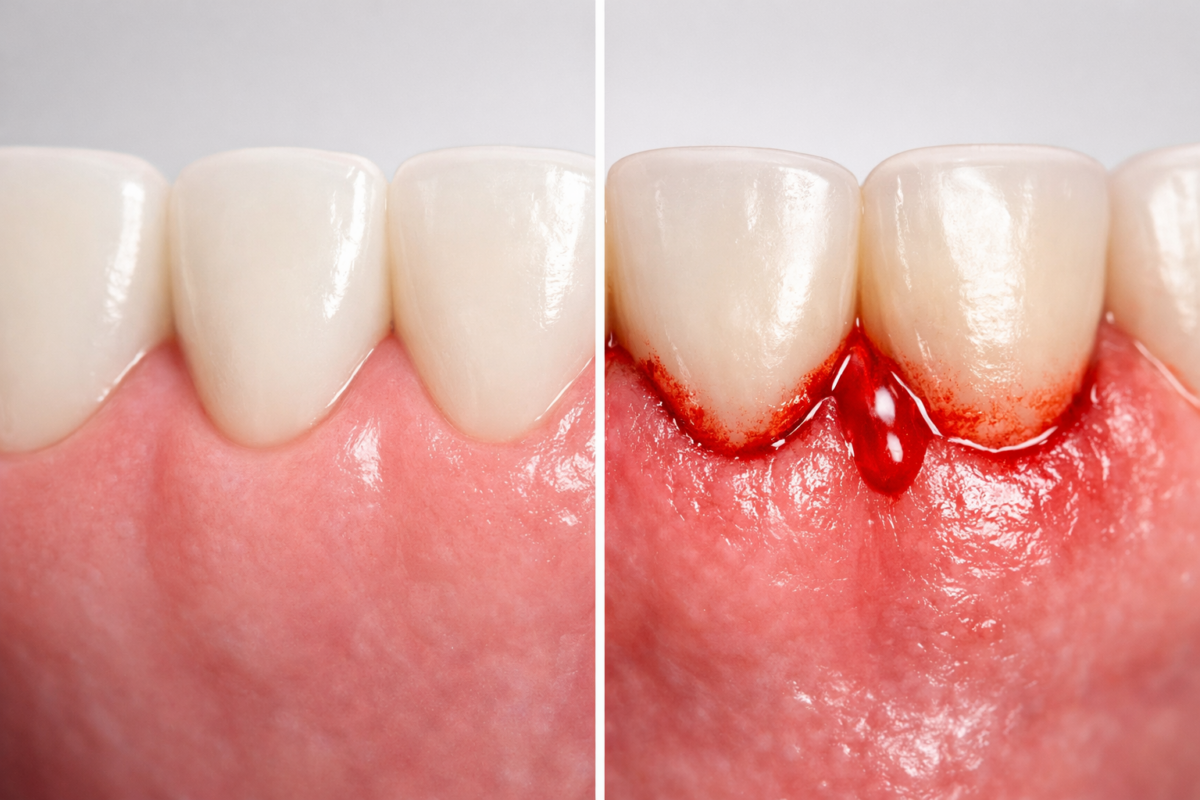
- Bleeding or inflamed gums
Early detection is key to preventing further damage.
Why Gum Recession Should Not Be Ignored
Untreated gum recession can lead to:
- Root decay
- Tooth mobility
- Bone loss
- Eventual tooth loss
Seeking professional gum recession treatment in Hammersmith and Fulham early can help preserve both your oral health and your smile.
Treatment Options for Gum Recession
The appropriate treatment depends on the severity and cause of the condition.
1. Non-Surgical Periodontal Treatment
For mild cases:
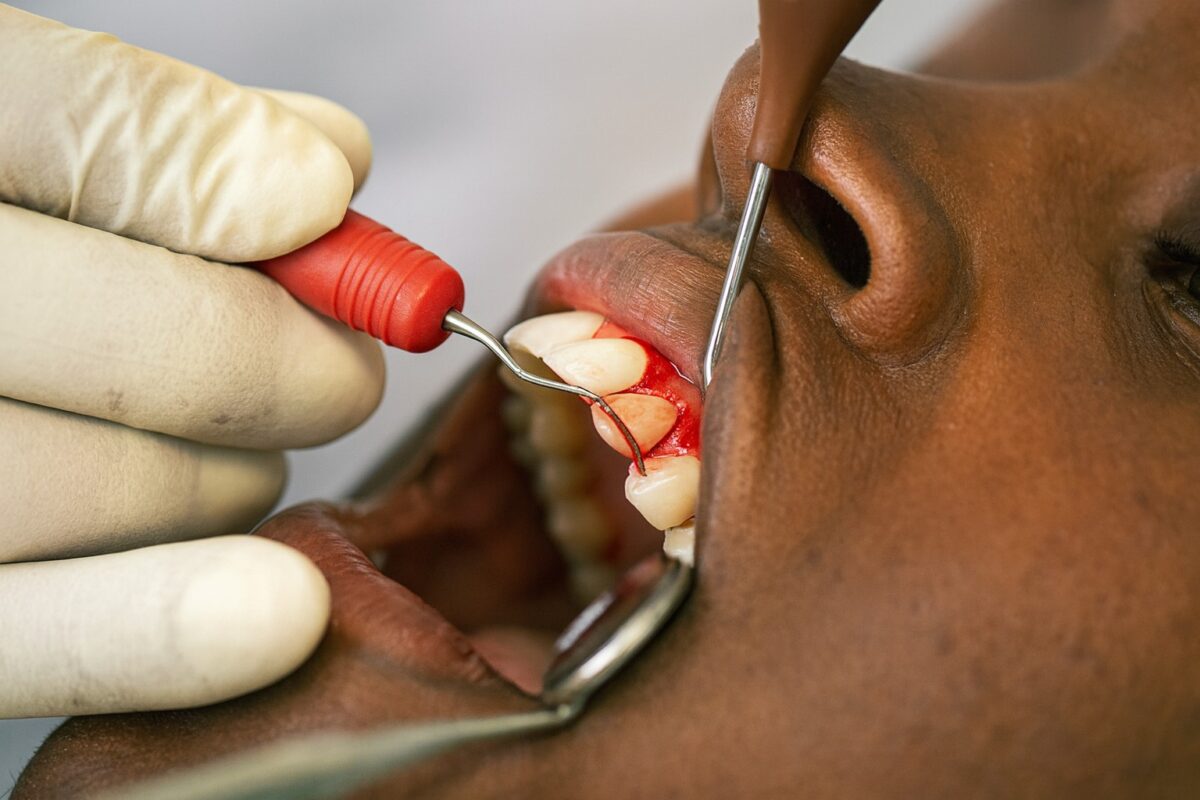
- Deep cleaning (scaling and root planing)
- Improved oral hygiene routine
- Antibacterial treatments
2. Gum Grafting (Surgical Treatment)
For moderate to severe recession, gum grafting is often the most effective solution.
This procedure involves:
- Taking healthy tissue (often from the palate)
- Placing it over exposed root areas
- Promoting natural healing and regeneration
Benefits of gum grafting:
- Covers exposed roots
- Reduces sensitivity
- Improves aesthetics
- Protects against further recession
How to Prevent Receding Gums
Prevention plays a crucial role in long-term gum health.
Daily Care Tips
- Use a soft-bristled toothbrush
- Brush gently using proper technique
- Floss daily
- Use dentist-recommended mouthwash
Lifestyle Changes
- Stop smoking
- Manage teeth grinding (night guard if needed)
- Maintain a balanced diet
Regular Dental Visits
Routine hygiene appointments and gum assessments help detect early signs before they progress.
When to See a Gum Specialist
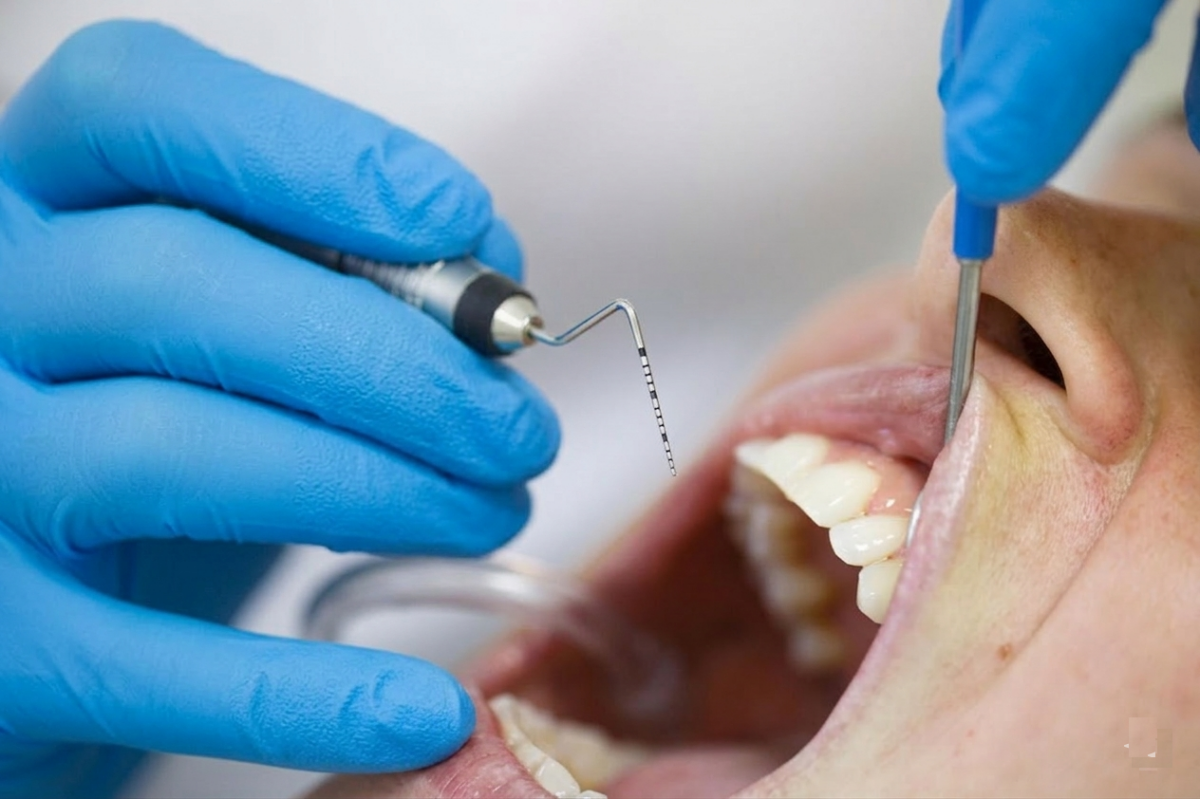
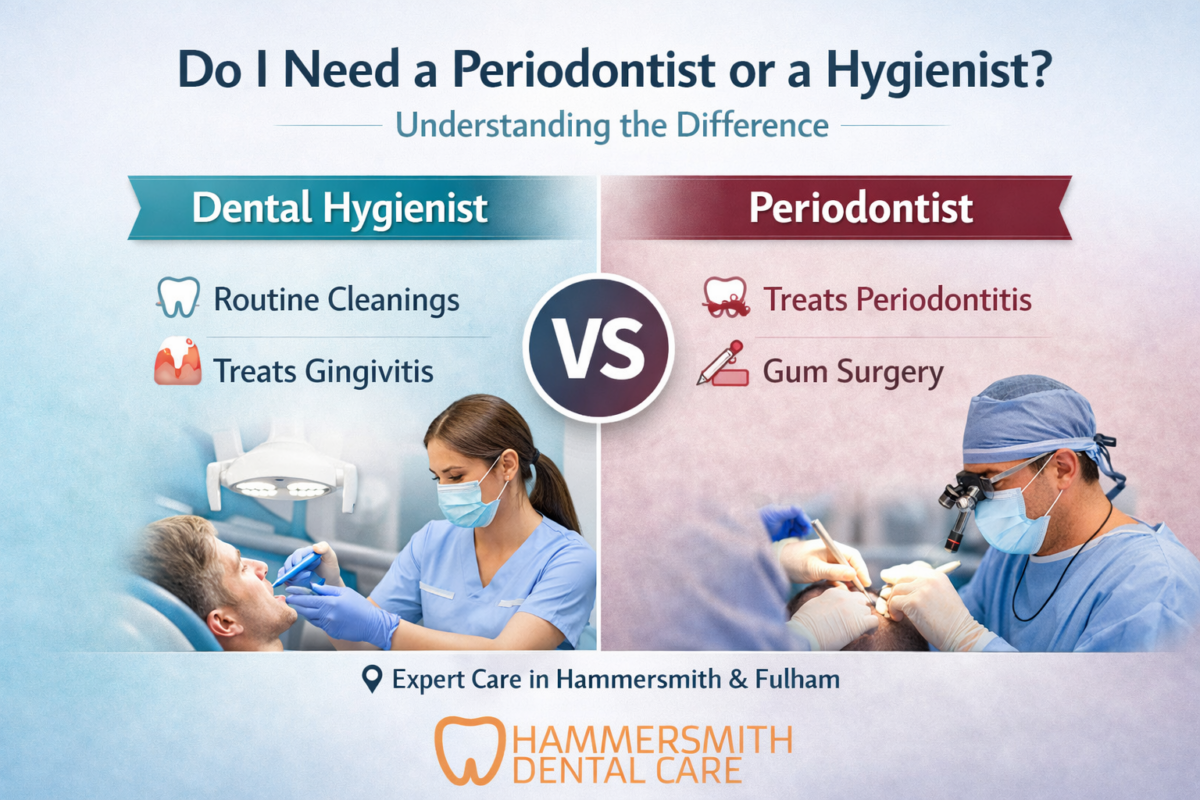
If you are experiencing symptoms of receding gums, it is important to seek professional care promptly. A periodontal assessment can determine:
- The severity of recession
- The underlying cause
- The most effective treatment plan
Gum Recession Treatment in Hammersmith and Fulham
At Hammersmith Dental Care, we provide advanced periodontal treatments tailored to each patient. Whether you need early intervention or gum grafting, our team focuses on restoring gum health and preventing further damage.
We combine modern techniques with a patient-focused approach to ensure comfortable and effective care.
Book a Consultation
Concerned about receding gums or looking for expert gum recession treatment in Hammersmith?
Contact Hammersmith Dental Care today to schedule a comprehensive gum assessment and take the first step toward healthier gums.