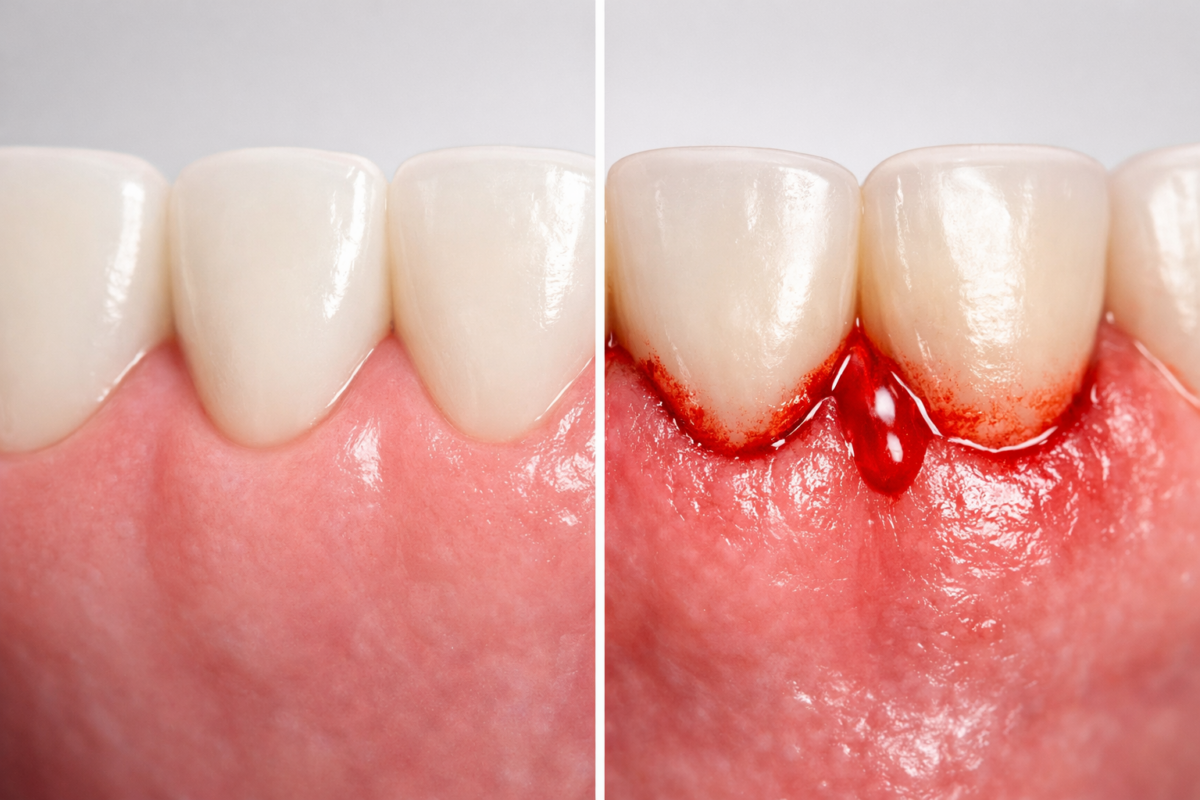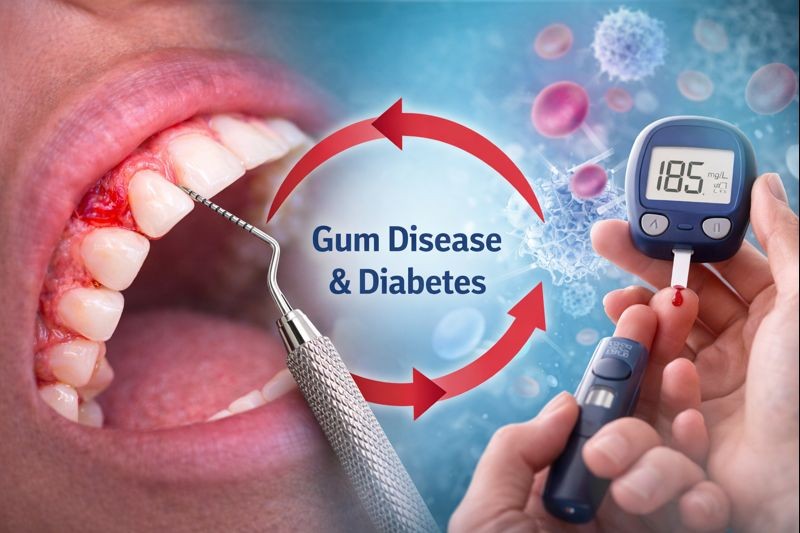


Gum disease is one of the most common oral health problems in adults — and also the leading cause of tooth loss. Many people assume teeth are lost because of decay alone, but in reality, advanced gum disease (periodontitis) is responsible for a significant number of missing teeth in adults across the UK.
At Hammersmith Dental Care, we regularly help patients in Hammersmith and West London identify gum disease early and prevent permanent damage. Understanding how gum disease progresses can help protect both your gums and your teeth long term.
What Is Gum Disease?
Gum disease is an infection and inflammation of the tissues that support your teeth. It usually begins as gingivitis, which causes redness, swelling, and bleeding gums. Without treatment, it can progress into periodontitis — a more advanced condition that damages the bone and supporting structures around the teeth.
The main cause of gum disease is plaque build-up containing harmful bacteria. Over time, these bacteria trigger inflammation that destroys the gum attachment and jawbone supporting the teeth.
How Gum Disease Causes Tooth Loss
Healthy gums and bone act as the foundation for your teeth. When gum disease becomes advanced, this support system weakens.
1. Gum Detachment
As periodontitis progresses, the gums begin to pull away from the teeth, creating periodontal pockets where bacteria accumulate.
2. Bone Loss Around Teeth
The infection gradually destroys the jawbone surrounding the teeth. This is one of the most serious periodontitis effects because bone cannot regenerate naturally without specialist treatment.
3. Teeth Become Loose
When enough bone support is lost, teeth begin to move. Patients often notice:
- Teeth shifting position
- Difficulty chewing
- Gaps appearing between teeth
- A loose tooth caused by gum disease
Loose teeth are a major warning sign of advanced periodontal disease and should never be ignored.
4. Tooth Loss
Eventually, the supporting structures become too weak to hold the tooth in place, leading to tooth loss or extraction.
Common Signs of Gum Disease
Many people have gum disease without realising it because symptoms can develop gradually.
Watch for:
- Bleeding gums when brushing or flossing
- Persistent bad breath
- Swollen or tender gums
- Gum recession
- Loose teeth
- Pain when chewing
- Teeth appearing longer
- Pus around the gums
If you notice any of these symptoms, booking a periodontal assessment early can help prevent irreversible damage.
Why Loose Teeth Are a Serious Warning Sign
Loose teeth gum disease cases are often linked to significant bone loss beneath the gums. Unlike temporary sensitivity or minor gum irritation, tooth mobility usually indicates advanced periodontitis.
At this stage, urgent treatment may be needed to:
- Stabilise the teeth
- Remove deep infection
- Slow further bone loss
- Prevent additional tooth loss
In some cases, early intervention can save teeth that might otherwise need extraction.
Risk Factors for Periodontitis
Some people are more susceptible to severe gum disease than others.
Major risk factors include:
- Smoking or vaping
- Poor oral hygiene
- Diabetes
- Stress
- Teeth grinding
- Family history of gum disease
- Certain medications
- Infrequent dental visits
Patients with dental implants can also develop peri-implant disease if gum health is neglected.
The Long-Term Effects of Periodontitis
The effects of periodontitis extend beyond tooth loss. Research has linked advanced gum disease with wider health concerns, including:
- Heart disease
- Diabetes complications
- Increased inflammation in the body
- Pregnancy complications
- Reduced confidence and quality of life
Tooth loss itself can also lead to:
- Jawbone shrinkage
- Changes in facial appearance
- Difficulty eating
- Speech problems
- Further tooth movement
Can Tooth Loss From Gum Disease Be Prevented?
In many cases, yes. Early diagnosis and treatment are highly effective at controlling gum disease before teeth become loose.
Treatment may include:
- Professional hygiene cleaning
- Scaling and root planing
- Periodontal therapy
- Improved home care routines
- Gum surgery in advanced cases
- Maintenance visits with a hygienist or periodontist
Regular gum health checks are essential for identifying problems early.
How We Treat Gum Disease at Hammersmith Dental Care
At Hammersmith Dental Care, we provide comprehensive periodontal assessments and advanced gum treatments tailored to each patient.
Our approach focuses on:
- Early detection
- Deep cleaning and infection control
- Monitoring bone and gum health
- Preventing tooth loss
- Long-term periodontal maintenance
We help patients across Hammersmith and West London protect their teeth and restore healthier gums before severe damage occurs.
Protect Your Teeth Before Gum Disease Progresses
Gum disease often develops silently, but the damage can become permanent if left untreated. If you have bleeding gums, gum recession, or loose teeth, seeking professional advice early can make a major difference.
Book a gum health assessment at Hammersmith Dental Care to protect your gums, stabilise your teeth, and prevent future tooth loss.