

Bone Loss After Tooth Loss – How Dental Implants Help Prevent It
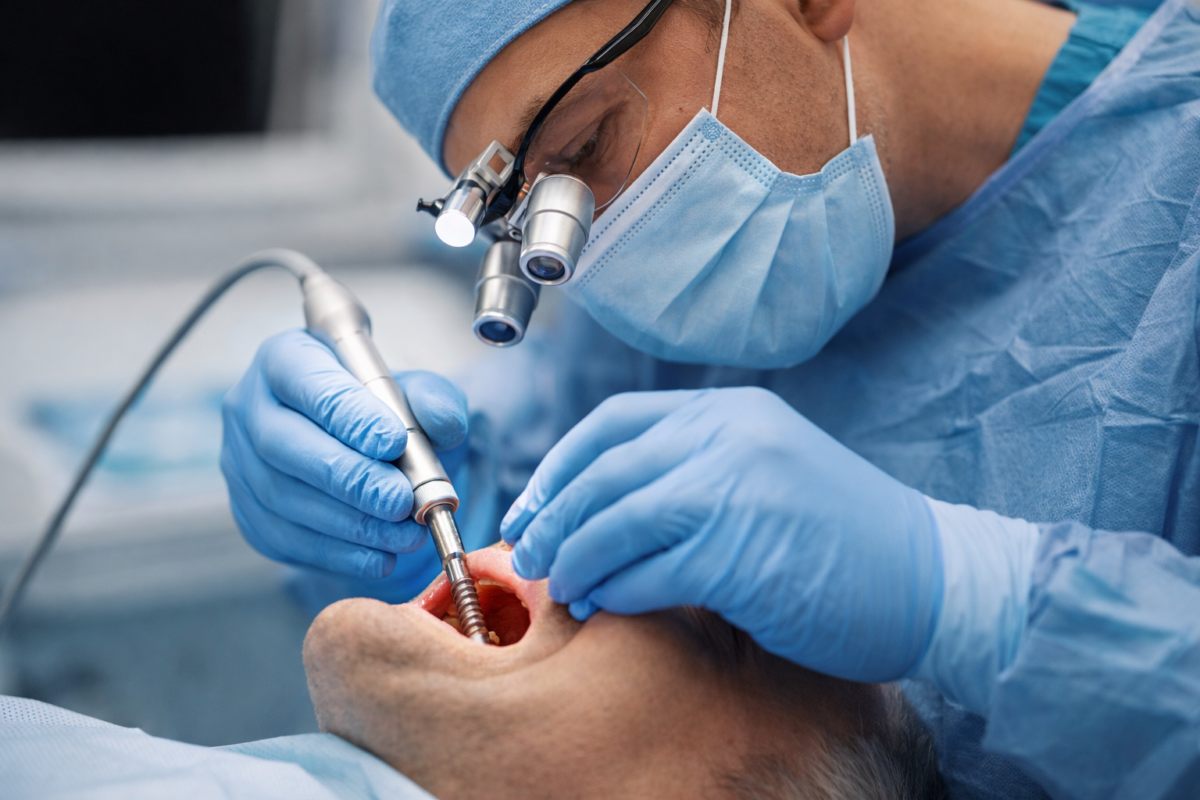
Losing a tooth is more than just a cosmetic concern—it can lead to jaw bone loss, affecting your oral health, facial structure, and long-term dental stability. Many patients are unaware that once a tooth is lost, the underlying bone begins to shrink.
In this guide, we’ll explain why bone loss happens, how it progresses, and how dental implants play a crucial role in implants bone preservation.
What Happens After Tooth Loss?
When a tooth is removed or lost, the surrounding bone (called the alveolar bone) no longer receives stimulation from chewing forces. This stimulation is essential to maintain bone density.
Without it:
- The bone begins to shrink (resorb)
- Nearby teeth may shift
- Facial structure can change over time
In fact, up to 25% of bone volume can be lost within the first year after tooth loss.
Why Jaw Bone Loss Is a Serious Concern
Jaw bone loss doesn’t just affect your smile—it can have wider consequences:
- Changes in Facial Appearance
- Sunken cheeks
- Premature ageing
- Thinner lips
- Difficulty Eating and Speaking
- Reduced bite strength
- Shifting teeth affecting speech
- Future Dental Complications
- Increased risk of gum disease
- Difficulty placing restorations later
The longer the gap remains untreated, the more complex treatment becomes.
How Dental Implants Prevent Bone Loss
Dental implants are widely regarded as the gold standard solution for replacing missing teeth—and for good reason.
What Makes Implants Different?
Unlike dentures or bridges, dental implants:
- Replace the tooth root (not just the crown)
- Integrate with the bone (osseointegration)
- Stimulate the jaw during chewing
The Key Benefit: Implants Bone Preservation
Because implants mimic natural tooth roots:
- They maintain bone density
- Prevent further resorption
- Help preserve facial structure
This makes them the only long-term solution that actively protects your jawbone.
Dental Implants vs Other Tooth Replacement Options
| Option | Prevents Bone Loss | Stability | Longevity |
| Dentures | ❌ No | Moderate | Medium |
| Dental Bridge | ❌ No | Good | Medium |
| Dental Implants | ✅ Yes | Excellent | Long-term |
While other options restore appearance, only implants support true implants bone preservation.
Can Bone Loss Be Reversed?
In some cases, yes.
If bone loss has already occurred, treatments such as:
- Bone grafting
- Sinus lifts
can rebuild the jawbone before placing implants.
However, early intervention is always better—preventing bone loss is easier than rebuilding it.
Who Is Suitable for Dental Implants?
Most healthy adults are candidates, but ideal conditions include:
- Good overall oral health
- Healthy gums
- Adequate bone volume (or suitability for grafting)
A professional assessment will determine the best treatment plan for you.
Why Early Treatment Matters
The longer you wait after losing a tooth:
- The more bone is lost
- The more complex treatment becomes
- The higher the cost and treatment time
Acting early can save both your bone and your smile.
Expert Advice: Protect Your Jawbone Early
At our clinic, we focus on preventive and long-term solutions, not just quick fixes. Dental implants are not only about replacing missing teeth—they’re about preserving your oral health for years to come.
Book Your Consultation Today
If you’ve lost a tooth or are considering replacement options, now is the time to act.
Don’t wait for jaw bone loss to progress.
Book a consultation to explore whether dental implants are right for you.