

Who Is a Good Candidate for Dental Implants?
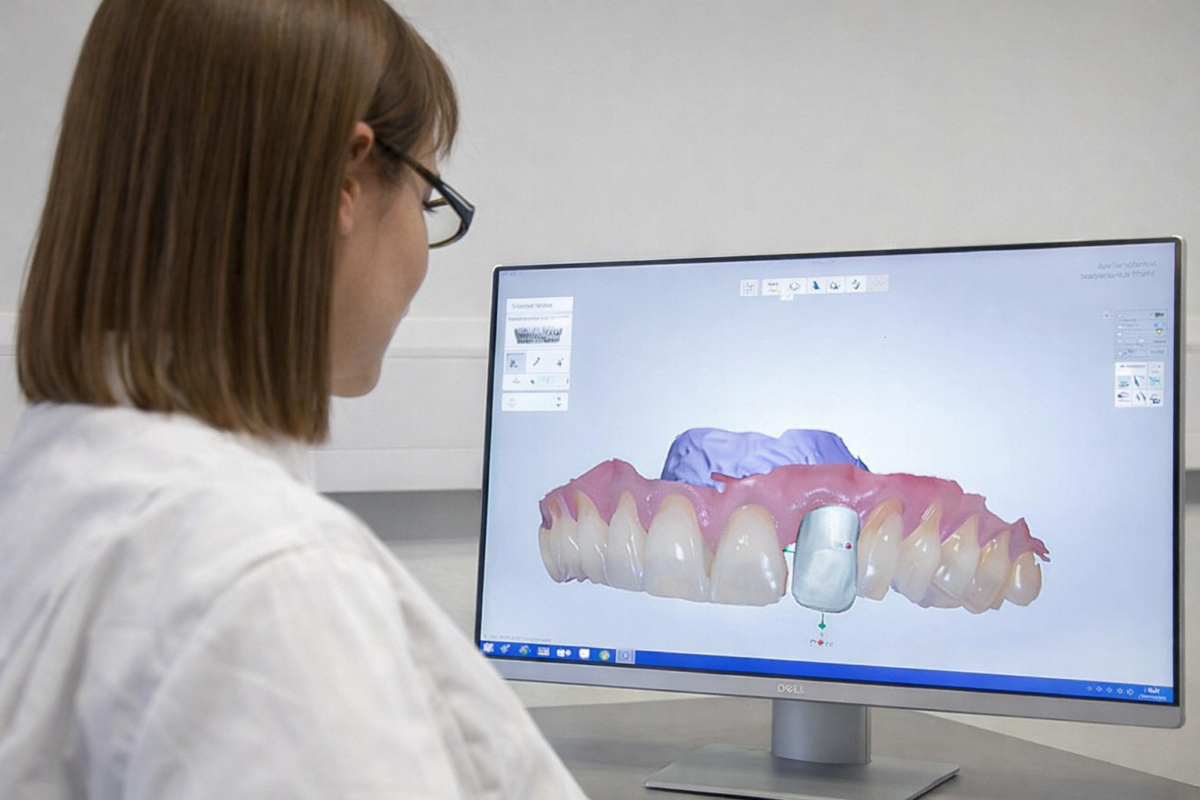
Dental implants are widely considered the most reliable and long-lasting solution for replacing missing teeth. However, not every patient is immediately suitable for this treatment. Understanding whether you are a good candidate for dental implants helps you make informed decisions and ensures the best possible outcome.
This guide explains the key factors that determine dental implant candidates, helping answer the common question: “am I suitable for implants?”
What Are Dental Implants?
Dental implants are small titanium posts placed into the jawbone to replace missing tooth roots. They support crowns, bridges, or dentures and function just like natural teeth.
Ideal Candidates for Dental Implants
You are likely a strong candidate for dental implants if you meet the following criteria:
1. Good Overall Oral Health
Healthy gums are essential. Patients should be free from active gum disease or infections before implant placement.
2. Sufficient Jawbone Density
Adequate bone is needed to support the implant securely. If bone loss has occurred, procedures such as bone grafting may be required beforehand.
3. Non-Smoker or Willing to Quit
Smoking can significantly affect healing and increase the risk of implant failure. Patients who quit or reduce smoking have better outcomes.
4. Good General Health
Conditions such as uncontrolled diabetes or immune disorders can impact healing. A thorough medical history review is essential.
5. Commitment to Oral Hygiene
Long-term success depends on proper brushing, flossing, and regular dental visits.
Who May Need Additional Assessment?
Not all patients are excluded if they don’t meet ideal criteria. Some may still be suitable with preparatory treatment.
Patients with Bone Loss
Jawbone loss is common after missing teeth. Bone grafting or sinus lift procedures can often make implants possible.
Patients with Gum Disease
Gum disease must be treated and stabilised before implant placement. A periodontal assessment is typically recommended.
Patients with Medical Conditions
Conditions such as diabetes can be managed successfully if well-controlled. Your dentist will work closely with you to assess risks.
Risk Factors That Can Affect Implant Success
Understanding potential risks helps improve outcomes and reduce complications.
Smoking
Increases risk of infection and implant failure.
Poor Oral Hygiene
Can lead to peri-implantitis (infection around the implant).
Chronic Health Conditions
Uncontrolled systemic diseases may delay healing.
Teeth Grinding (Bruxism)
Excessive pressure can affect implant stability. A night guard may be recommended.
Am I Suitable for Implants?
The only way to determine your suitability is through a professional consultation. This typically includes:
- Full dental examination
- Digital X-rays or 3D scans
- Gum health assessment
- Medical history review
A personalised treatment plan will then be created based on your specific needs.
Benefits of Choosing Dental Implants
For suitable candidates, dental implants offer:
- Natural appearance and function
- Long-lasting results
- Preservation of jawbone structure
- Improved confidence and comfort
Dental Implants in Hammersmith & West London
If you are considering dental implants and want to know if you are a suitable candidate, a professional assessment is the first step. Early evaluation can help identify any risk factors and allow for proper planning.
Book Your Implant Consultation
If you’re asking “am I suitable for implants?”, the best next step is a comprehensive consultation. This allows your dentist to assess your oral health, discuss options, and guide you toward the most appropriate treatment.