
Blog

CLASSIC LIST


gum-disease-1200x800.jpg

December 7, 2025 GuidelinesServices0

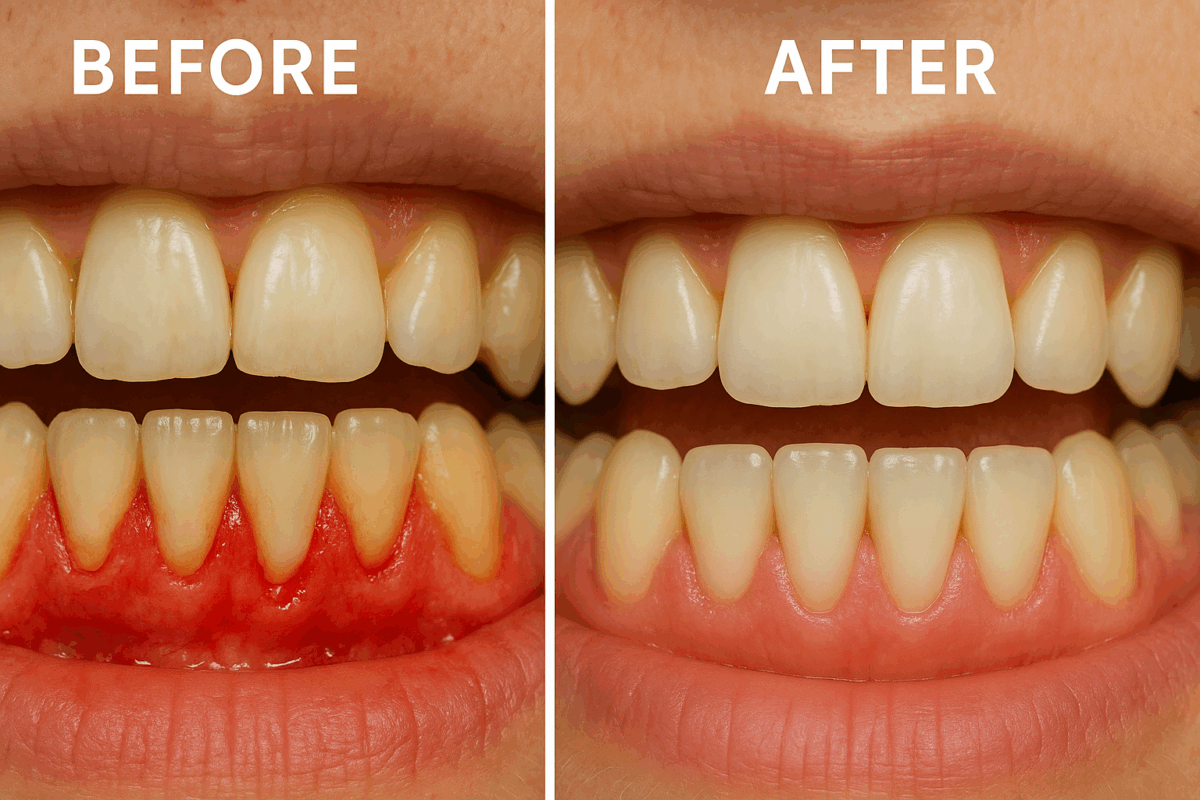
Gum disease is one of the most common dental problems in the UK — yet many people don’t realise they have it until it becomes serious. Because gum disease often progresses quietly, recognising the early signs can help you protect your teeth, prevent bone loss, and avoid more complex treatment in the future.

At Hammersmith Dental Care, our periodontal team helps patients spot the warning signs early and get the specialist care they need to keep their gums healthy for life.

What Is Gum Disease?

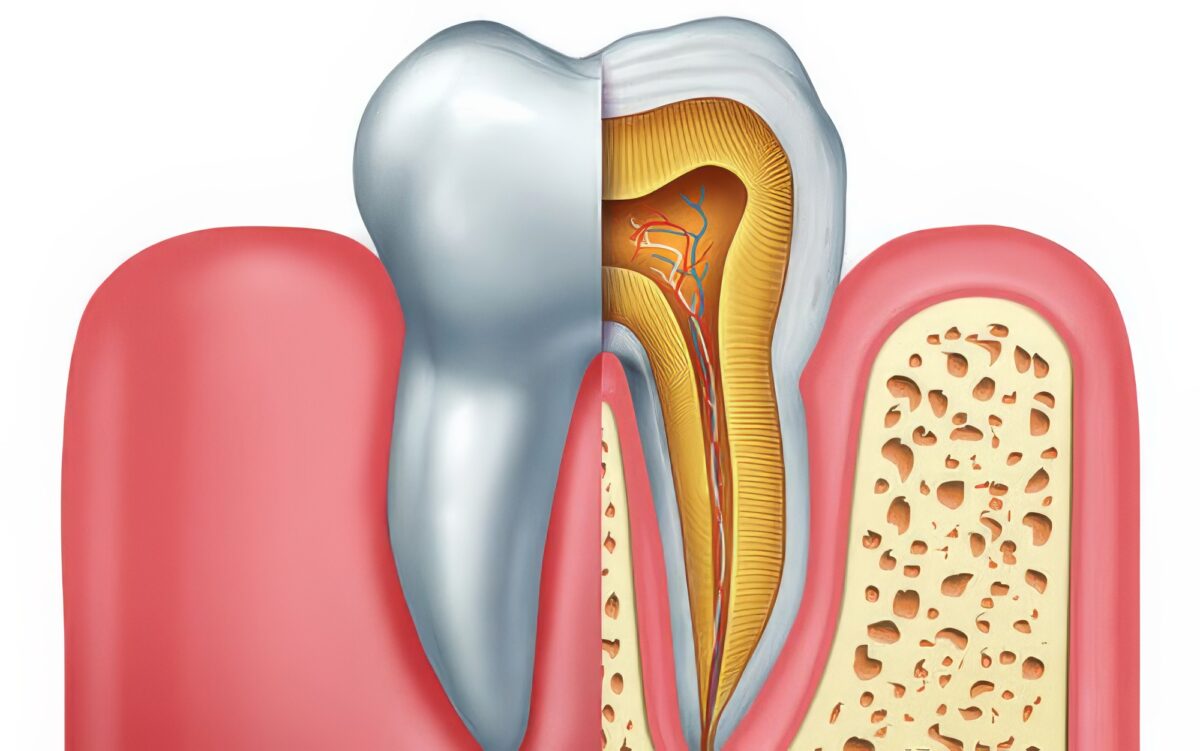
Gum disease (periodontal disease) happens when plaque bacteria cause inflammation of the gums.
It begins as gingivitis, and if left untreated, can progress to periodontitis, leading to gum recession, bone loss, and even tooth loss.

The sooner gum disease is detected, the easier it is to treat — and the better the long-term outcome for your oral health.

Early Signs of Gum Disease You Should Never Ignore

1- Bleeding Gums

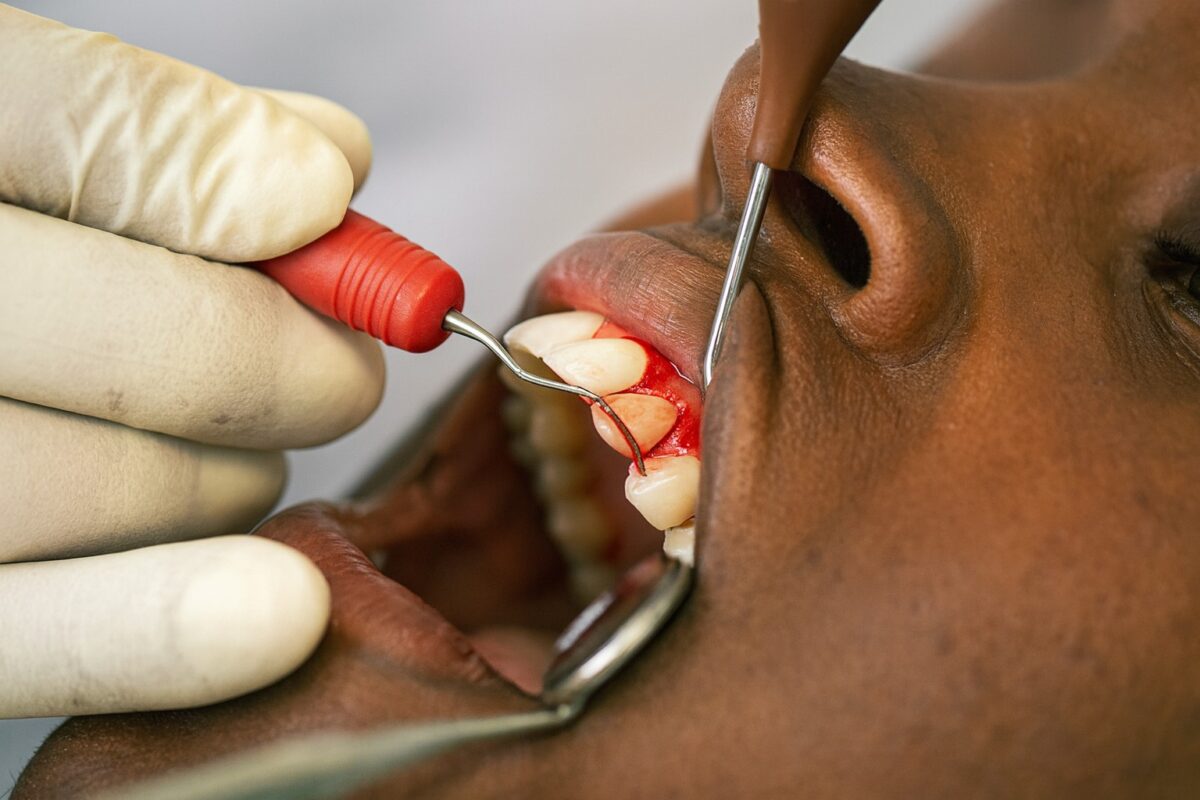
If your gums bleed when brushing, flossing, or eating, it is not normal.
Bleeding is usually the first sign of gum inflammation.

Why it matters:
Bleeding indicates that plaque and bacteria are building up around the gumline, causing irritation and swelling

2- Red, Swollen, or Tender Gums

Healthy gums should be firm and pink.
Redness or puffiness means your immune system is responding to bacteria.

Why it matters:
Swelling is an early indicator of gingivitis and can progress quickly without treatment.

3- Bad Breath That Doesn’t Go Away

Persistent bad breath (halitosis) or an unpleasant taste can be caused by trapped bacteria under the gums.

Why it matters:
Gum infection produces gases that cause odour — a strong sign that harmful bacteria are present.

4- Receding Gums

Your teeth may start to look “longer” as the gums shrink away from the surface.

Why it matters:
Gum recession is often linked to early periodontitis and can expose the roots, causing sensitivity and increasing the risk of tooth loss.

5- Sensitivity to Hot or Cold

When the gums pull back, the root surface becomes exposed, leading to discomfort or sharp sensitivity.

Why it matters:
This is a sign that gum inflammation has already started to damage tissue.


6- Loose Teeth or Changes to Your Bite

In advanced stages, patients may notice movement in their teeth or that their bite feels different.

Why it matters:
This indicates bone loss, which requires urgent periodontal treatment.


 Why Early Treatment Matters

Treating gum disease early prevents:

  • Gum recession
  • Bone loss
  • Tooth mobility
  • Tooth loss
  • Pain and infection
  • The need for surgery

Early diagnosis often means treatment can be non-surgical and more comfortable, such as:

  • Professional deep cleaning (Scaling & Root Planing)
  • Hygiene therapy
  • Targeted periodontal treatment
  • Home-care guidance to support long-term gum health

At Hammersmith Dental Care, our periodontist provides advanced care for all stages of gum disease, ensuring predictable, long-lasting results.

When to See a Periodontist

You should book a periodontal assessment if you notice:

✔ Ongoing bleeding gums
✔ Bad breath despite cleaning
✔ Gum recession
✔ Loose teeth
✔ A family history of gum disease
✔ You smoke or have diabetes (higher risk)

Our specialist-led team offers comprehensive gum assessments using advanced diagnostic tools

implant-gum.png

November 27, 2025 Uncategorized0

Expert care for implant patients at Hammersmith Dental Care

Healthy gums are essential for successful dental implants. However, many patients worry that gum disease will prevent them from getting implants. Fortunately, with the right treatment, most people can still restore their smile. At Hammersmith Dental Care, we specialise in helping patients with gum disease, gum recession, and bone loss prepare for safe and predictable implant treatment. As a result, even those with complex gum concerns can often receive implants successfully.

Why Gum Health Matters for Dental Implants

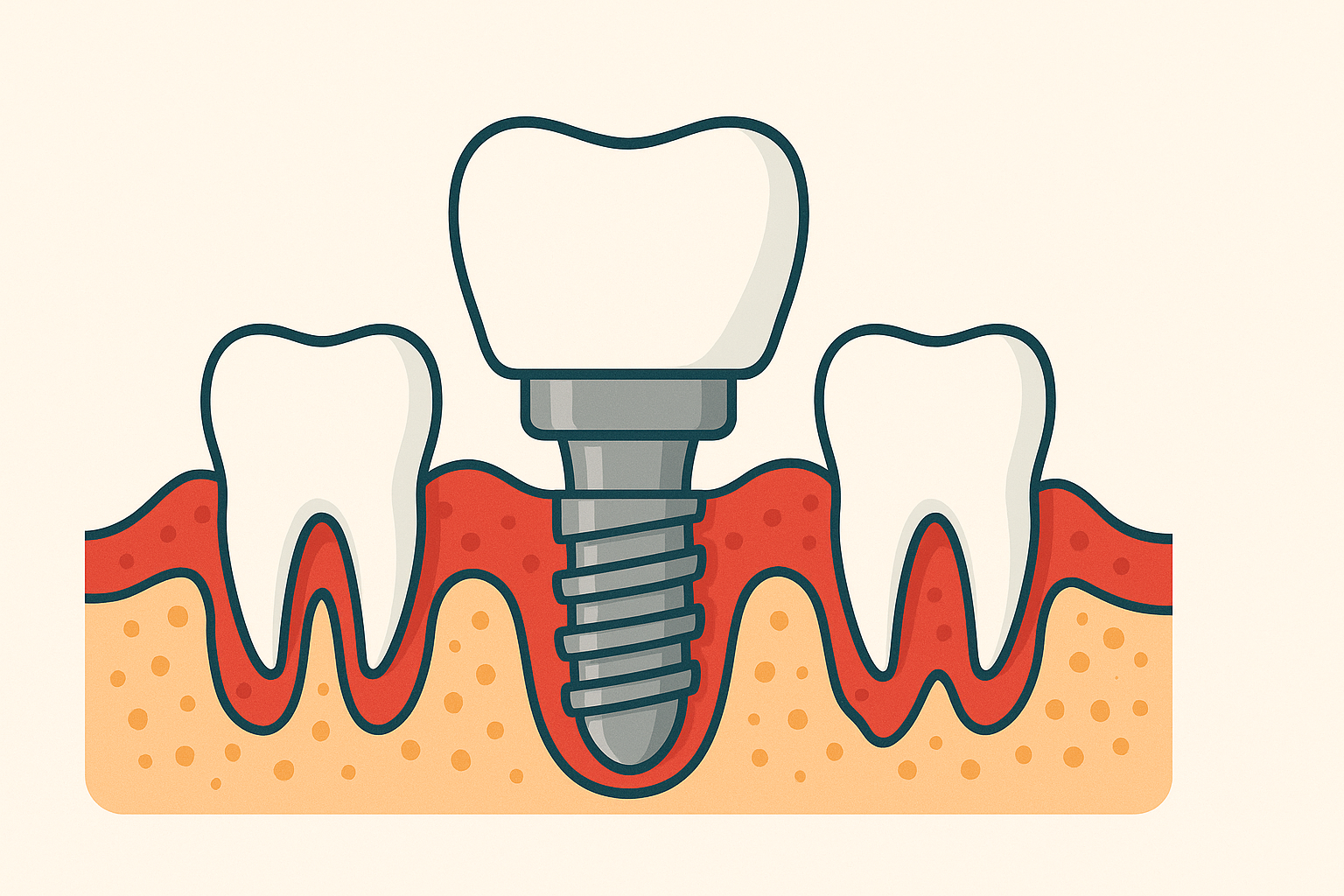
Dental implants need strong bone and healthy gum tissue to stay firmly in place. Without proper gum health, several problems may occur. For example, untreated gum disease can lead to:

  • Bone loss around the implant

  • Inflammation (peri-implantitis)

  • A higher risk of implant failure

  • Delayed healing

In fact, the American Academy of Periodontology confirms that gum disease is a major cause of tooth and bone loss — both of which are crucial for implant success. Therefore, treating gum disease before implant placement is essential.

Can You Have Dental Implants If You Have Gum Disease?

Yes — in most cases. You can still have dental implants as long as gum disease is treated first. Although gum problems may seem like a barrier, most patients can move forward once their gums have been stabilised.

At Hammersmith Dental Care, we may recommend several treatments to achieve this, such as:

  • Deep cleaning (scaling & root planing)

  • Gum infection control

  • Bone grafting where bone loss has occurred

  • Gum grafting for receding gums

  • Tailored periodontal maintenance before and after implants

Once your gums are healthy and stable, implants can be placed safely using modern, 3D-guided techniques. Consequently, your treatment becomes both more predictable and more comfortable.

Benefits of Implants for Patients With Previous Gum Problems

Dental implants offer long-term advantages, especially for patients who have experienced gum disease. For instance, implants can provide:

  • Prevention of further bone loss

  • Improved chewing function

  • Better oral hygiene and stability

  • A natural-looking, confident smile

  • Long-term reliability when gum disease is well-managed

Moreover, research shows that dental implants have high success rates even in patients with a history of periodontal disease — provided treatment is completed first. Therefore, proper preparation greatly increases the chances of long-term success.

Our Implant Process at Hammersmith Dental Care

1.Gum and Bone Assessment

First, we examine the gums, check bone levels, and identify any active infection. This ensures that we understand your oral health fully before planning treatment.

2. Periodontal Treatment

Next, we stabilise gum disease and prepare the mouth for implant placement. This step is essential for long-term implant success.

3. Precision-Guided Implant Placement

After your gums are healthy, we use 3D scanning and guided surgery to place implants with maximum accuracy and comfort.

4. Long-Term Maintenance

Finally, ongoing hygiene appointments and regular monitoring help keep your gums and implants healthy for many years.

Book Your Implant Consultation in Hammersmith

If you’re dealing with gum problems but want to replace missing teeth, we can help.
Our experienced team provides personalised care for complex gum and implant cases.


Gum-Graft-1200x800.png

November 20, 2025 GuidelinesServices0

Gum grafts and Smile Makeovers

Healthy gums are the foundation of a beautiful smile. If you are experiencing gum recession, sensitivity, or feel unhappy with your smile, combining a gum graft with a smile makeover can restore both health and aesthetics. At Hammersmith Dental Care, we provide advanced periodontal and cosmetic treatments to help you achieve a confident, long-lasting smile.

What Is a Gum Graft?

A gum graft is a periodontal procedure used to treat gum recession by adding healthy tissue to areas where gums have receded. This helps protect the tooth roots, reduce sensitivity, and improve the appearance of the gum line.

Benefits of a gum graft

  • Protects tooth roots
  • Reduces sensitivity
  • Strengthens gum health
  • Improves smile symmetry
  • Helps prevent further recession

    Why Gum Grafts Are Important in Smile Makeovers

    If your gums have receded, cosmetic treatments alone won’t achieve the best result. A gum graft:

    • Creates a healthier foundation for veneers or bonding
    • Improves smile symmetry
    • Restores a youthful gum line
    • Enhances gum-to-tooth proportions
    • Supports long-term aesthetic stability

    Treating the gums first ensures your smile makeover looks natural and lasts longer.

    Why Choose Hammersmith Dental Care?

    At Hammersmith Dental Care, our team offers specialist-led gum treatment and advanced cosmetic dentistry, allowing us to treat both health and aesthetics together.

    What we offer:

    • Evidence-based periodontal care
    • Modern cosmetic dentistry
    • Personalised smile makeover plans
    • Digital smile design
    • Comfortable, patient-focused experience

    FAQ

    1. Is a gum graft painful?

    Most patients experience minimal discomfort thanks to modern techniques and local anaesthetic. Mild soreness is normal for a few days.

    1. How long does a gum graft take to heal?

    Initial healing takes about 1–2 weeks. Full stability develops over a few months.

    1. Can a gum graft be part of a smile makeover?

    Yes— restoring the gum line first often makes cosmetic results more natural and longer-lasting.

    1. What causes gum recession?

    Common causes include gum disease, over-brushing, genetics, orthodontic treatment, and ageing.

    1. How much does a gum graft cost in London?

    Costs vary depending on the amount of recession and the type of graft used. A consultation at Hammersmith Dental Care provides a personalised treatment plan.

    References

    1. American Academy of Periodontology – Soft Tissue Grafting Guidelines
    2. British Society of Periodontology – Gum Recession Treatment

the-link-between-inflamed-gums-and-heart-risk.webp

November 12, 2025 GuidelinesServices0

Did you know that treating gum disease can help protect not just your smile — but also your heart health?
Recent research from University College London found that professional gum treatment may reduce the risk of heart attacks and strokes.
At Hammersmith Dental Care, we provide gentle, effective gum disease treatments in Hammersmith to stop bleeding gums, prevent infection, and keep your smile healthy for life.

New Research: Treating Gum Disease May Protect Your Heart

A 2025 study from University College London (UCL) revealed that treating gum disease can help reduce the risk of heart attacks and strokes.

In the study, patients who received intensive gum treatment (deep cleaning) showed healthier blood vessels after two years — potentially lowering their cardiovascular risk by around 10%.

This is because gum inflammation doesn’t stay isolated in your mouth. Harmful bacteria and inflammatory molecules can enter the bloodstream, contributing to narrowing and stiffening of the arteries, which increases the risk of heart disease and stroke.

(Source: University College London, 2025)

Why Gum Health Is Vital

Your mouth and body are deeply connected.
Research continues to show that gum disease is linked to serious health conditions, including:

  • Heart disease
  • Stroke
  • Diabetes complications
  • Premature birth (in expectant mothers)

That’s why at Hammersmith Dental Care, we take a proactive approach to gum health — helping patients not only protect their teeth but also support their overall wellbeing.

Understanding Gum Disease

If your gums bleed when brushing, feel swollen, or you’ve noticed persistent bad breath, you might have gum disease — one of the most common oral health problems in adults.

At Hammersmith Dental Care, we see many patients with early and advanced gum disease (also known as periodontitis). The condition develops when plaque and bacteria build up around the teeth, causing the gums to become inflamed and infected.

Common signs of gum disease include:

  • Bleeding gums when brushing or flossing
  • Red, swollen, or tender gums
  • Persistent bad breath
  • Receding gums or teeth appearing longer
  • Loose teeth or gaps forming between teeth

If you experience any of these symptoms, it’s important to seek professional care early.

Professional Gum Disease Treatments at Hammersmith Dental Care

Our experienced dental team provides specialist advanced gum disease treatments in Hammersmith designed to stop infection, restore gum health, and prevent further damage.

Our approach includes:

  •  Professional scale and polish – removes plaque and tartar above and below the gum line.
  •  Deep cleaning (root planing) – smooths the roots of teeth to help gums reattach and heal.
  •  Antibacterial treatment – targets bacteria beneath the gum surface.
  •  Ongoing maintenance care – tailored hygiene visits to keep gums healthy long-term.

Every treatment plan is personalised to your needs, ensuring comfort and effective results.

Simple Ways to Keep Your Gums Healthy

Here are a few steps you can take at home to maintain great gum health:

  • Brush twice daily for at least 2 minutes with a fluoride toothpaste.
  • Clean between your teeth every day using floss or interdental brushes.
  • Avoid smoking, which increases gum disease risk.
  • Eat a balanced, low-sugar diet to support gum health.
  • Visit your dentist or hygienist regularly — ideally every 6 months.

If your gums bleed or feel sore, don’t ignore it. Early gum disease can often be reversed with professional cleaning and good oral care.

When to Book a Gum Health Appointment

You should see your dentist if you notice:

  • Bleeding or swollen gums
  • Persistent bad breath
  • Loose teeth
  • Gums that have receded or are painful

At Hammersmith Dental Care, our friendly team will perform a thorough gum assessment and provide the right treatment to help restore your oral health and confidence.

Healthy Gums, Healthy Body

Your gums are the foundation of your smile — and a reflection of your overall health.
By taking care of them, you’re helping to protect your teeth, heart, and general wellbeing.

“Healthy gums don’t just make your smile stronger — they help protect your heart and body too.”
The Hammersmith Dental Care Team

 Book Your Gum Disease Consultation in Hammersmith

If you’re worried about bleeding gums or gum disease, we’re here to help.
At Hammersmith Dental Care, our skilled dentists and hygienists offer gentle, effective treatments to keep your gums and teeth healthy.

Call us on  02087414777 or Book Online today to schedule your gum health check.

We’re conveniently located in Hammersmith, West London, and welcome both new and existing patients.


bleeding-gum.jpg

November 4, 2025 Guidelines0

If you’ve ever noticed a little blood in the sink after brushing or flossing, you’re not alone. Bleeding gums are one of the most common early signs that your gums may be irritated or inflamed — and it’s your body’s way of saying, “something isn’t quite right.”

The good news? In most cases, it’s easy to fix when caught early. Let’s look at why gums bleed, what it could mean, and how to stop it before it turns into something more serious.


The Most Common Cause: Gingivitis

The number one reason for bleeding gums is gingivitis — the early stage of gum disease.
It happens when plaque (a sticky film of bacteria) builds up along the gumline. When plaque isn’t removed properly, it irritates the gums, causing them to become red, swollen, and prone to bleeding.

Common signs of gingivitis:

  • Gums that bleed during brushing or flossing
  • Puffy, tender gums
  • Bad breath that won’t go away
  • A sour taste in your mouth

The best part? Gingivitis is completely reversible with good oral hygiene and professional cleaning from your dentist or hygienist.

 When Gum Disease Gets Worse: Periodontitis

If gingivitis isn’t treated, it can progress to a more serious form of gum disease called periodontitis.
At this stage, the infection moves deeper and starts to affect the bone and tissues that support your teeth.

Signs of periodontitis:

  • Receding gums (teeth may look longer)
  • Persistent bad breath or bad taste
  • Gums that pull away from your teeth (forming “pockets”)
  • Loose or shifting teeth
  • Pain when chewing

Once gum disease reaches this stage, it can’t be fully reversed — but it can be managed with professional treatment and regular care.


 Other Possible Reasons for Bleeding Gums

While gum disease is the most common cause, other factors can also contribute:

  • Brushing too hard or using a stiff-bristled toothbrush
  • Skipping flossing (causing gums to be tender when you start again)
  • Vitamin C or K deficiency
  • Hormonal changes (such as pregnancy or menopause)
  • Certain medications (especially those that cause dry mouth or thin the blood)
  • Smoking or vaping, which reduces blood flow to the gums
  • Medical conditions like diabetes

If you’re unsure what’s causing your bleeding gums, it’s always safest to have them checked by your dentist.


How to Stop Gums from Bleeding?

The best way to stop bleeding gums is to treat the cause — not the symptom.
Here’s what you can do starting today:

 At Home:

  1. Brush gently twice a day with a soft-bristled toothbrush.
  2. Clean between your teeth daily using floss or interdental brushes.
  3. Rinse with water or an antibacterial mouthwash if recommended by your dentist.
  4. Eat a healthy diet rich in vitamins C and K (fruits, leafy greens, bell peppers).
  5. Quit smoking or vaping — your gums will thank you!

At the Dentist:

  • Book a professional cleaning (scaling and polishing) to remove hardened plaque and tartar.
  • Have your dentist check for gum pockets or early bone loss.
  • Follow any personalised advice for brushing, flossing, or mouthwash use.


Why Gum Health Matters

Healthy gums aren’t just about keeping your teeth in place — they’re vital for your overall health.
Research shows that gum disease has been linked to conditions like heart disease, diabetes, and low-birth-weight babies.
Keeping your gums healthy supports your whole body.


 When to See Your Dentist

You should book an appointment if:

  • Your gums bleed regularly when brushing or flossing
  • You notice swelling, redness, or receding gums
  • You have persistent bad breath or bad taste
  • Your teeth feel loose or painful
  • It’s been over 6 months since your last dental visit

Don’t wait until it hurts — gum problems are easiest to treat before they become painful.


Healthy gums = a healthy smile (and a healthier you).


tooth-colored-fillings-1200x751.jpg

June 30, 2024 Services

Veneers vs. Composite Bondings, Which is Best for Your Smile?

When it comes to enhancing the appearance of your teeth, veneers vs. composite bondings are two popular cosmetic dental procedures. Both options aim to improve your smile, but they differ significantly in terms of materials, purposes, durability, preparation, and cost. Understanding these differences can help you make an informed decision about which treatment is best for your needs.

Key Features of Veneers vs. Composite Bonding

Material
Composite Bonding: Composite bonding involves applying a tooth-colored resin material directly onto the tooth, similar to the material used for tooth-colored fillings. This resin is sculpted and polished to blend seamlessly with your natural teeth.

Veneers: Veneers are thin, custom-made shells typically made of porcelain or ceramic. They are crafted in a dental laboratory and then bonded to the front surface of your teeth, providing a natural and aesthetically pleasing appearance.

Purpose

Composite Bonding: Composite bonding is versatile and can be used to repair chipped or cracked teeth, close gaps, alter the shape of teeth, or improve the appearance of discolored teeth. It’s ideal for addressing minor cosmetic issues.

Veneers: Veneers are primarily used for cosmetic enhancements to correct stained, misaligned, uneven, or worn-down teeth. They can significantly alter the shape, size, and color of your teeth, providing a more dramatic transformation.

Durability

Composite Bonding: While composite bonding is durable, it is more prone to staining and may not last as long as veneers. Factors such as exposure to coffee, tea, or tobacco can affect its longevity.

Veneers: Veneers are highly stain-resistant and generally more durable than composite bonding. With proper care, veneers can last many years, making them a long-term solution for a perfect smile.

Preparation

Composite Bonding: Composite bonding requires minimal tooth preparation. The dentist will lightly roughen the tooth surface and apply the bonding material directly.

Veneers: The preparation for veneers involves removing a small amount of tooth enamel (about 0.5 mm) to create space for the veneer. This process is a permanent alteration to the tooth structure.

Cost of Veneers vs. Composite Bonding

Composite Bonding: Composite bonding is typically more affordable than veneers. It offers a quicker, minimally invasive, and cost-effective solution for minor cosmetic concerns.

Veneers: Veneers are more expensive due to the custom fabrication and materials used. Additionally, the enamel removal process makes them suitable for specific cases rather than routine application.

Which Option is Right for You?

In summary, composite bonding is a versatile option for minor cosmetic improvements that require minimal tooth preparation and are more budget-friendly. Veneers, on the other hand, provide a more dramatic transformation, are highly durable and stain-resistant, but involve irreversible enamel removal and are typically more costly.

The choice between composite bonding and veneers depends on your specific cosmetic goals, budget, and the dentist’s recommendation based on your individual dental condition. Consulting with a professional can help you determine the best course of action for achieving the smile you desire.

Conclusion

Choosing between veneers and composite bonding can be a significant decision in your dental care journey. Each option offers unique benefits tailored to different needs and preferences. At [Your Dental Clinic Name], we are committed to helping you make the best choice for your smile. Schedule a consultation with us today to explore your options and embark on your path to a perfect smile!

For more information or to book an appointment, please contact [Your Dental Clinic Name]. We are here to help you achieve the smile you deserve.


smile-design-1200x751.jpg

June 18, 2024 Guidelines

An Excellent smile design gives you the power to express of your emotions and significantly influences how others perceive you. Despite their small size, your teeth play a crucial role in your confidence and can greatly affect your overall sense of happiness. At Hammersmith Dental Care, our expert smile design dentist ensures that you achieve a harmonious and aesthetically pleasing smile. In this blog, we delve into the advanced techniques our expert dentists use to create stunning smiles.

Understanding Smile Design

The Principles of Smile Design

Creating a beautiful smile involves more than just making your teeth look good. It’s about taking a comprehensive approach to ensure that all the elements of your mouth work together seamlessly. This includes not only your teeth but also the surrounding tissues, muscles, and bones. At Hammersmith Dental Care, we follow a systematic process to evaluate, diagnose, and treat aesthetic dental issues. Our goal is to create a smile that is both attractive and functional.

Components of Smile Design

A well-designed smile involves considering both the facial and dental aspects. Let’s break down these components to understand how they contribute to a stunning smile.

Facial Composition

What is Facial Composition?

Facial composition refers to the way your facial features align and work together to create a balanced and symmetrical appearance. This is important because your smile doesn’t exist in isolation; it’s part of your overall facial expression.

Key Elements of Facial Composition in Smile Design

  1. Interpupillary Line: This is the imaginary line that runs between the centers of your pupils. For a balanced smile, this line should be parallel to the line of your teeth.
  2. Lips: Your lips frame your smile. The shape and position of your lips play a crucial role in how your smile is perceived. Any significant misalignment should be addressed to enhance the overall smile design.

Dental Composition

What is Dental Composition?

Dental composition focuses specifically on your teeth and gums. It involves ensuring that your teeth are the right size, shape, and position, and that your gums are healthy and well-contoured.

Key Elements of Dental Composition in Smile Design

  1. Tooth Components:
    • Dental Midline: The imaginary line that runs between your two upper front teeth and should align with the center of your face.
    • Incisal Lengths: The lengths of the visible parts of your teeth when you smile.
    • Tooth Dimensions: The size and shape of each tooth.
    • Zenith Points: The highest points of your gums above each tooth.
    • Axial Inclinations: The angles at which your teeth are positioned.
    • Interdental Contact Area: The areas where your teeth touch each other.
    • Incisal Embrasure: The small spaces between the edges of your teeth.
    • Considerations of Sex, Personality, and Age: Customizing the smile design to suit your unique characteristics.
    • Symmetry and Balance: Ensuring both sides of your smile are even and harmonious.
  1. Soft Tissue Components:
    • Gingival Health: Healthy gums that are free from disease.
    • Gingival Levels and Harmony: Even and well-shaped gum lines.
    • Interdental Embrasure: Small gaps between your teeth at the gum line.
    • Smile Line: The curve of your teeth when you smile.

Guidelines for Proportions

To achieve the perfect smile, dentists use several guidelines to ensure your teeth are proportionate and aesthetically pleasing. These include:

  • Golden Proportion: A mathematical ratio often found in nature that helps create visually appealing proportions.
  • Recurring Aesthetic Dental Proportions: Ensuring that each tooth fits harmoniously within the smile.
  • M Proportions and Chu’s Aesthetic Gauges: Tools and measurements that help in designing a balanced smile.

The Smile Design Process at Hammersmith Dental Care

Comprehensive Evaluation

At Hammersmith Dental Care, your smile makeover journey starts with a thorough dental checkup. We assess your teeth, gums, and overall oral health to ensure you’re a good candidate for cosmetic treatments.

Custom Treatment Plan

Based on your evaluation, we create a personalized treatment plan that may include procedures like aligners for straightening teeth, teeth whitening, dental crowns, or porcelain veneers to cover imperfections. We combine these treatments to enhance your oral health and create a beautiful, symmetrical smile.

Benefits of a Smile Design

Improved Oral Health

A smile makeover can do more than just improve your appearance. By addressing issues like misaligned teeth and missing teeth, we can enhance your overall oral health, reduce the risk of decay, and improve your bite.

Enhanced Aesthetics

Through various cosmetic procedures, we can significantly enhance the appearance of your smile. This includes whitening your teeth, correcting their shape and alignment, and ensuring your gums are healthy and well-contoured.

Long-term Benefits

Our aim is to provide results that are not only beautiful but also long-lasting. By using advanced techniques and high-quality materials, we ensure your new smile is durable and easy to maintain.

Conclusion

Creating a beautiful, functional smile requires a comprehensive and personalized approach. At Hammersmith Dental Care, we combine our expertise in restorative and cosmetic dentistry to help you achieve the smile of your dreams. Contact us today to book your appointment and start your journey to a stunning smile.

For more detailed information on the principles of smile design, visit this article.


Root-Canal-Treatments-1200x751.jpg

August 19, 2023 Services

In the past, teeth that were diseased or injured often required extraction. Thanks to modern endodontic treatment, also referred to as a root canal, these teeth can now be saved.


Bonding-1200x751.jpg

August 19, 2023 Services

Chips, stains, cracks, and misalignment negatively impact your smile.

Bonding can effectively mask these flaws. Imperfections in the shape, colour, size, and texture of your teeth are concealed behind a special coating of plastic or resin that strengthens your teeth and makes them appear natural and flawless.


Dentures-1200x751.jpg

July 22, 2023 Guidelines

Your responsibility

The recommendations in this guideline represent the view of NICE, arrived at after careful consideration of the evidence available. When exercising their judgement, professionals and practitioners are expected to take this guideline fully into account, alongside the individual needs, preferences and values of their patients or the people using their service.


Get in touch

Contact us now

Please note that fees may vary but will be confirmed at the consultation and a written estimate will be given before treatment commences.


CONTACT

(+44) 020 8741 4777


Contact via Email

enquiries@ hammersmithdentalcare.com


Follow us

Our Activity

Join us on social media to explore innovation and empowerment.


Copyright by MoReel 2025. All rights reserved.