
Blog

CLASSIC LIST


plaque-to-perio.jpg

February 16, 2026 Guidelines1

Gum disease doesn’t happen overnight. It develops gradually — often silently — starting with plaque build-up and potentially progressing to serious bone damage.

Understanding how gum disease starts, the link between plaque and gum disease, and the risk of bone loss from gum disease can help you protect your long-term oral health.

This guide explains the science behind each stage — and why early treatment matters.


Stage 1: Plaque Build-Up – The Beginning of Gum Disease

If you’re wondering how gum disease starts, the answer is plaque.

Plaque is a sticky bacterial biofilm that forms on teeth daily. When it isn’t removed through proper brushing and interdental cleaning:

  • Bacteria multiply rapidly
  • Toxins irritate the gum tissue
  • Inflammation begins at the gumline

At this early stage, the condition is still reversible.

Stage 2: Gingivitis – Early Gum Inflammation

Persistent plaque leads to gingivitis, the first stage of gum disease.

Symptoms include:

  • Bleeding when brushing or flossing
  • Red or swollen gums
  • Mild tenderness
  • Bad breath

Importantly, gingivitis does not cause bone damage and can be reversed with professional cleaning and improved home care.

 Read more in our internal guide: Why are my Gums bleeding .

Stage 3: Periodontitis – When Infection Spreads Below the Gums

If gingivitis is left untreated, bacteria spread below the gumline.

This stage is called periodontitis, and it marks the transition from inflammation to structural damage.

During periodontitis:

  • Gums detach from teeth
  • Periodontal pockets form
  • Infection progresses deeper
  • Tissue begins breaking down

This is where plaque and gum disease become significantly more destructive.

Stage 4: Bone Loss from Gum Disease

One of the most serious consequences of untreated periodontitis is bone loss from gum disease.

Here’s how it happens:

  1. Bacterial infection triggers chronic inflammation
  2. The immune response damages supporting tissues
  3. The jawbone surrounding the teeth begins to deteriorate
  4. Teeth loosen and may eventually fall out

Bone loss is irreversible without advanced intervention — which is why early diagnosis is critical.

The Scientific Link Between Plaque and Gum Disease

The relationship between plaque and gum disease is well-established in dental research.

Plaque bacteria release toxins that:

  • Stimulate inflammatory chemicals
  • Destroy connective tissue fibres
  • Activate bone resorption (bone breakdown)

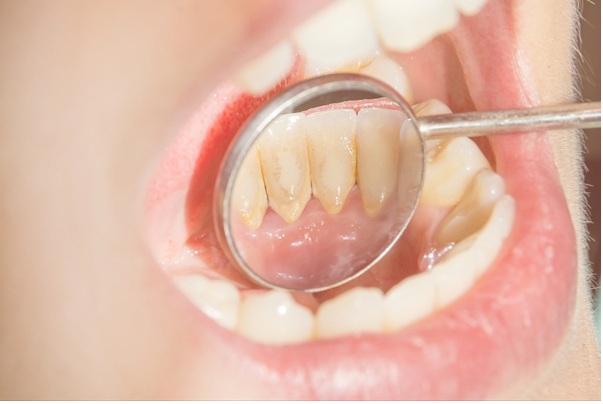
If plaque hardens into tartar (calculus), it cannot be removed at home and requires professional hygiene treatment.

Risk Factors That Accelerate Progression

You may be at higher risk of developing advanced gum disease if you:

  • Smoke or vape
  • Have diabetes
  • Miss regular hygiene visits
  • Have a genetic predisposition
  • Experience chronic stress

Even patients who brush regularly can develop gum disease if interdental cleaning is inadequate.

How to Prevent Gum Disease and Bone Loss

Stopping gum disease early prevents permanent damage.

Daily Prevention

  • Brush twice daily with fluoride toothpaste
  • Clean between teeth using floss or interdental brushes
  • Attend regular hygiene appointments

Professional Treatment

If pockets or bone loss are detected, periodontal treatment may include:

  • Deep cleaning (root surface debridement)
  • Targeted antibacterial therapy
  • Ongoing maintenance care

Visit our Gum Disease Treatment pillar page to learn about all available options.

Key Takeaway: Early Action Prevents Bone Loss

To summarise:

  • Plaque forms daily
  • Gum inflammation begins quietly
  • Infection spreads below the gumline
  • Bone loss from gum disease can occur without pain

Understanding how gum disease starts allows you to intervene early — before permanent damage occurs.

Concerned About Bleeding or Swollen Gums?

Don’t wait for symptoms to worsen.

Book a professional gum health assessment today and protect your teeth — and the bone that supports them — for the future.

Early treatment is always simpler, less invasive, and more predictable.

gum-bleed-1200x800.png

February 5, 2026 GuidelinesServices0

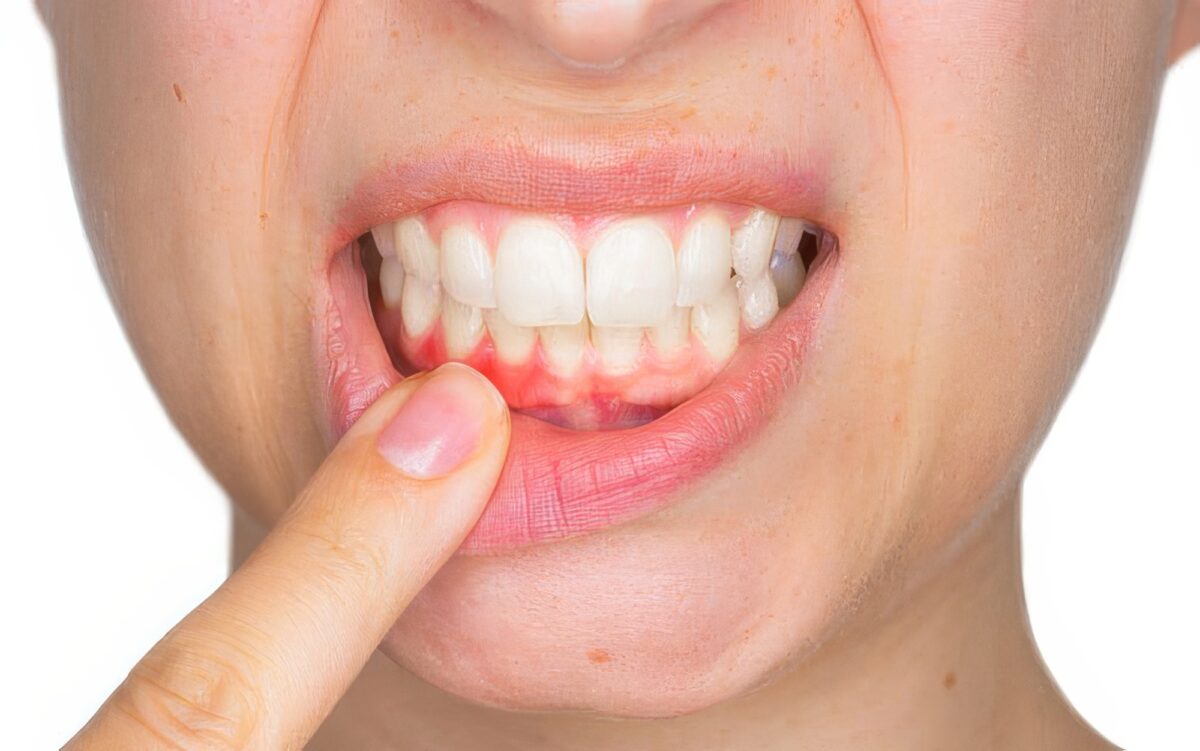
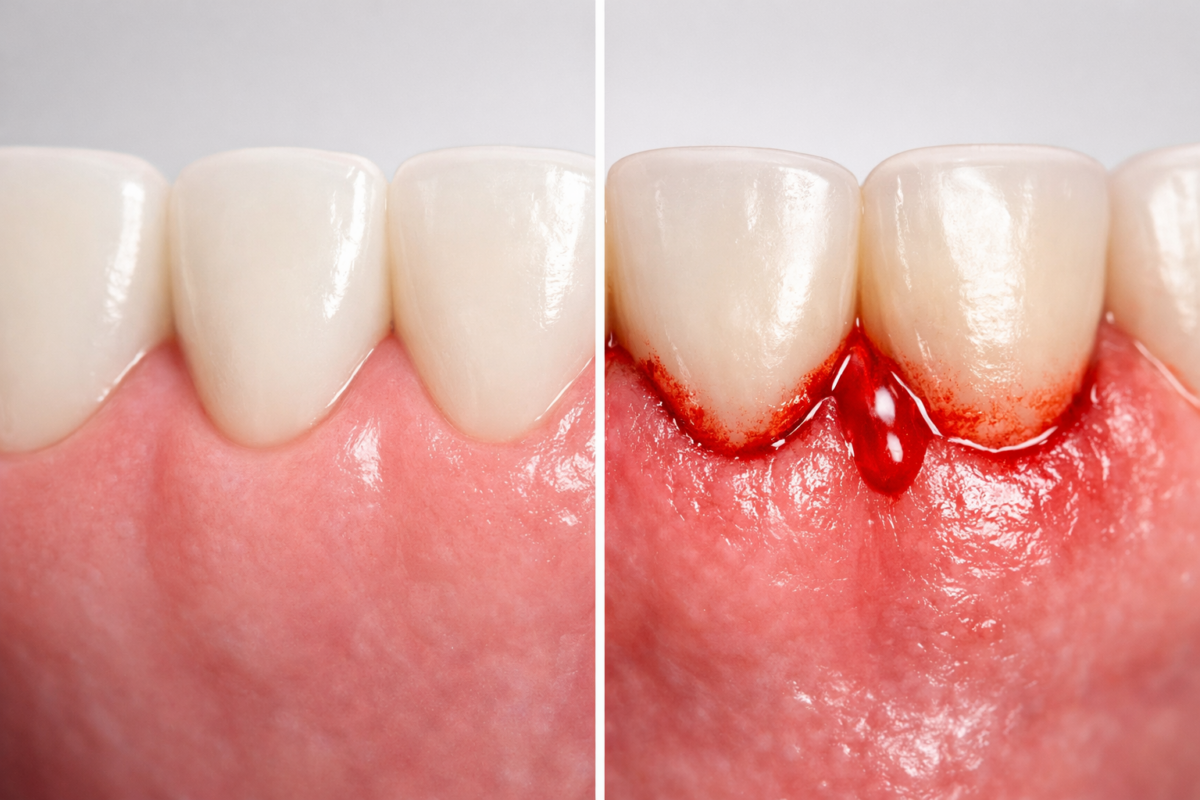
Noticing blood when you brush or floss? Many people assume bleeding gums are normal or just a sign of brushing too hard — but in reality, healthy gums do not bleed. Bleeding is often an early warning sign that your gums need attention.

At Hammersmith Dental Care, we regularly help patients from Hammersmith and Fulham address bleeding gums early, before they progress into more serious gum disease.

Why Do Gums Bleed?

If you’re wondering why do gums bleed, the most common reasons include:

1. Plaque Build-Up

When plaque isn’t removed effectively, it irritates the gums and causes inflammation. This is the earliest stage of gum disease, known as gingivitis.

2. Gingivitis (Early Gum Disease)

Bleeding gums are often the first noticeable sign of gingivitis. At this stage, the condition is reversible with the right care.

3. Inadequate Brushing or Flossing

Ironically, not flossing enough can cause gums to bleed more. When you first start cleaning between your teeth properly, mild bleeding can occur — but this should improve within 7–10 days.

4. Hormonal Changes or Medical Conditions

Pregnancy, diabetes, and certain medications can increase gum sensitivity and bleeding, making professional gum care even more important.


Why Bleeding Gums Are Not Normal

Bleeding gums are your body’s way of telling you something isn’t right. If left untreated, early gum inflammation can progress into periodontitis, which may lead to:

  • Persistent bad breath
  • Gum recession
  • Loose teeth
  • Tooth loss

Early action is the key to preventing long-term damage.

Bleeding Gums Treatment: What Actually Works?

Effective bleeding gums treatment focuses on removing plaque, reducing inflammation, and restoring gum health.

At Home:

  • Brush twice daily with a soft-bristled toothbrush
  • Clean between teeth daily using floss or interdental brushes
  • Use a dentist-recommended antibacterial mouthwash

Professional Treatment:

  • Scale and polish to remove hardened plaque (tartar)
  • Targeted gum therapy if inflammation is more advanced
  • Ongoing hygiene care plans to keep gums healthy

If your gums continue to bleed after improving your home routine, it’s time to see a dental professional.


When Should You See a Dentist?

You should book an appointment if:

  • Your gums bleed regularly when brushing or flossing
  • Bleeding lasts longer than a week
  • You notice redness, swelling, or tenderness
  • You have persistent bad breath

Patients searching for bleeding gums Hammersmith often come to us early — and that early step can make all the difference.


How We Help at Hammersmith Dental Care

Our team focuses on early detection and prevention of gum disease. We provide gentle, thorough assessments and personalised treatment plans to stop bleeding gums before they become a bigger problem.

Take Action Early – Your Gums Will Thank You

Bleeding gums are not something to ignore — and they’re not something you just have to “live with.” With the right care, gum health can often be fully restored.

Concerned about bleeding gums?
Book a gum health check at Hammersmith Dental Care today and protect your smile for the long term.


hyg-vs-Perio-1200x800.png

January 29, 2026 GuidelinesServices0

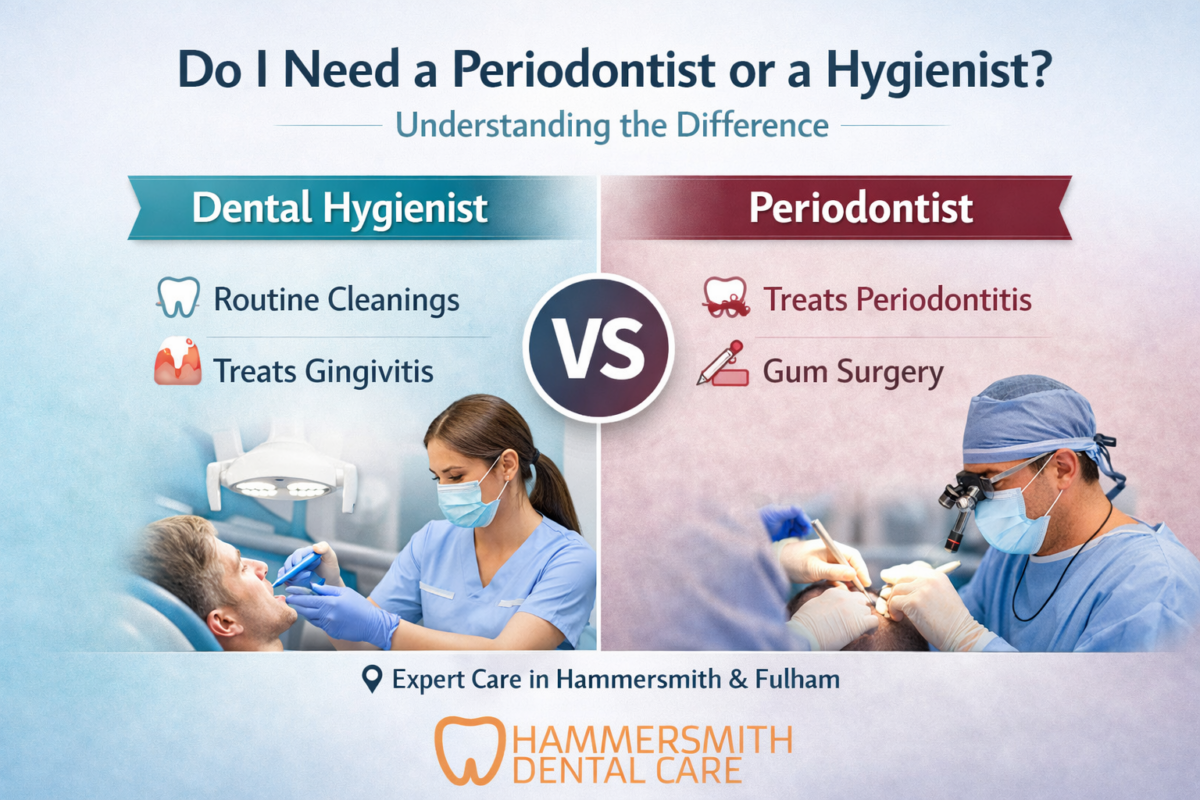
Understanding the Difference

If you’ve been told you may have gum disease, or you’re experiencing bleeding gums or bad breath, you might be wondering:

Do I need a periodontist or a hygienist?

This is one of the most common questions patients ask at Hammersmith Dental Care, and it’s also why searches such as periodontist vs hygienist, gum specialist vs hygienist, and who treats gum disease are so common online.

This guide explains the difference clearly, helping patients across Hammersmith and Fulham understand which professional is right for their gum health.


Why Understanding the Difference Matters

Gum disease often progresses silently. Many patients assume routine hygiene appointments are enough — but once gum disease becomes more advanced, specialist periodontal care may be required to prevent tooth loss and bone damage.

Knowing whether you need a hygienist or a periodontist ensures you receive the right treatment at the right time.


What Does a Dental Hygienist Do?

A dental hygienist focuses on preventing gum disease and maintaining healthy gums through regular professional care.

A hygienist can help with:

  • Scale and polish treatments
  • Removal of plaque and tartar above the gumline
  • Managing early gum disease (gingivitis)
  • Reducing bleeding gums
  • Oral hygiene advice tailored to your needs
  • Ongoing maintenance following periodontal treatment

Best for:
Patients with healthy gums, mild inflammation, or early-stage gum disease.
Hygiene Services (Hammersmith Dental Care)

What Does a Periodontist Do?

A periodontist is a gum specialist with advanced training in diagnosing and treating moderate to advanced gum disease (periodontitis).

At Hammersmith Dental Care, patients from Hammersmith and Fulham are referred to a periodontist when specialist care is needed to control gum disease and protect long-term oral health.

A periodontist treats:

  • Advanced gum disease (periodontitis)
  • Deep gum pockets
  • Gum recession
  • Bone loss around teeth
  • Persistent gum infection
  • Loose or shifting teeth
  • Non-surgical and surgical periodontal treatments

Best for:
Patients with ongoing gum problems, deep pockets, or bone loss seen on X-rays.
Periodontist (Gum Specialist)


Periodontist vs Hygienist: What’s the Difference?

Hygienist Periodontist
Prevents gum disease Treats advanced gum disease
Routine cleaning Deep cleaning below the gumline
Treats gingivitis Treats periodontitis
Maintenance care Specialist periodontal care
Non-surgical Non-surgical & surgical treatments


Who Treats Gum Disease?

It depends on how advanced the gum disease is:

  • Gingivitis (early gum disease):
    → Usually treated by a hygienist
  • Periodontitis (advanced gum disease):
    → Treated by a periodontist (gum specialist)

Patients often don’t realise they have periodontitis until symptoms worsen — which is why early assessment is so important.


Signs You May Need a Periodontist

You may benefit from seeing a gum specialist if you experience:

  • Bleeding gums that don’t improve
  • Persistent bad breath
  • Receding gums
  • Loose or shifting teeth
  • Deep gum pockets
  • Gum tenderness or swelling
  • Bone loss identified on X-rays
  • A history of gum disease

If you’re unsure, a professional gum assessment can determine the most appropriate care.

Do I Need Both a Hygienist and a Periodontist?

In many cases, yes.

A common treatment approach at Hammersmith Dental Care includes:

  1. Specialist treatment with a periodontist
  2. Long-term gum maintenance with a hygienist

This combined approach offers the best protection against gum disease returning.


Book the Right Gum Care

If you’re unsure whether you need a hygienist or a periodontist, our team can guide you with a comprehensive gum health assessment.

We proudly care for patients across Hammersmith and Fulham, helping them protect their gums, teeth, and long-term oral health.

Book a Periodontist Consultation
Book a Hygiene Appointment


Periodontal-Gum-Treatment-1200x751.jpg

May 19, 2023 Services

Periodontology (periodontics) is an area of dentistry specialising in the supporting structures of the teeth and the diseases that affect them. Examples of diseases a Periodontist would treat include Gum Disease and Gingivitis.


Get in touch

Contact us now

Please note that fees may vary but will be confirmed at the consultation and a written estimate will be given before treatment commences.


CONTACT

(+44) 020 8741 4777


Contact via Email

enquiries@ hammersmithdentalcare.com


Follow us

Our Activity

Join us on social media to explore innovation and empowerment.


Copyright by MoReel 2025. All rights reserved.