
Blog

CLASSIC LIST


perio-probe-2.jpeg

January 6, 2026 Services0

Many people assume that all dental problems can be treated by a general dentist — but when it comes to gum disease, gum recession, and bone loss, specialist care can make a crucial difference.

A periodontist is a dentist with advanced training in diagnosing and treating diseases of the gums and supporting structures of the teeth. Knowing when to see a gum specialist can help you protect your teeth, avoid unnecessary tooth loss, and improve your long-term oral health.

At Hammersmith Dental Care, our periodontist provides expert-led periodontal care for patients at all stages of gum disease.


What Is a Periodontist?

A periodontist is a dental specialist who focuses on:

  • Gum health
  • Gum disease (gingivitis and periodontitis)
  • Bone loss around teeth
  • Gum recession
  • Dental implant health

After qualifying as a dentist, a periodontist completes several additional years of postgraduate training, gaining expertise in advanced diagnostics, non-surgical and surgical periodontal treatments, and long-term maintenance of gum health.


What Does a Periodontist Do?

A periodontist provides specialist care beyond routine dental cleaning.

1. Diagnose Gum Disease Accurately

Periodontists use detailed assessments to detect gum disease early, including:

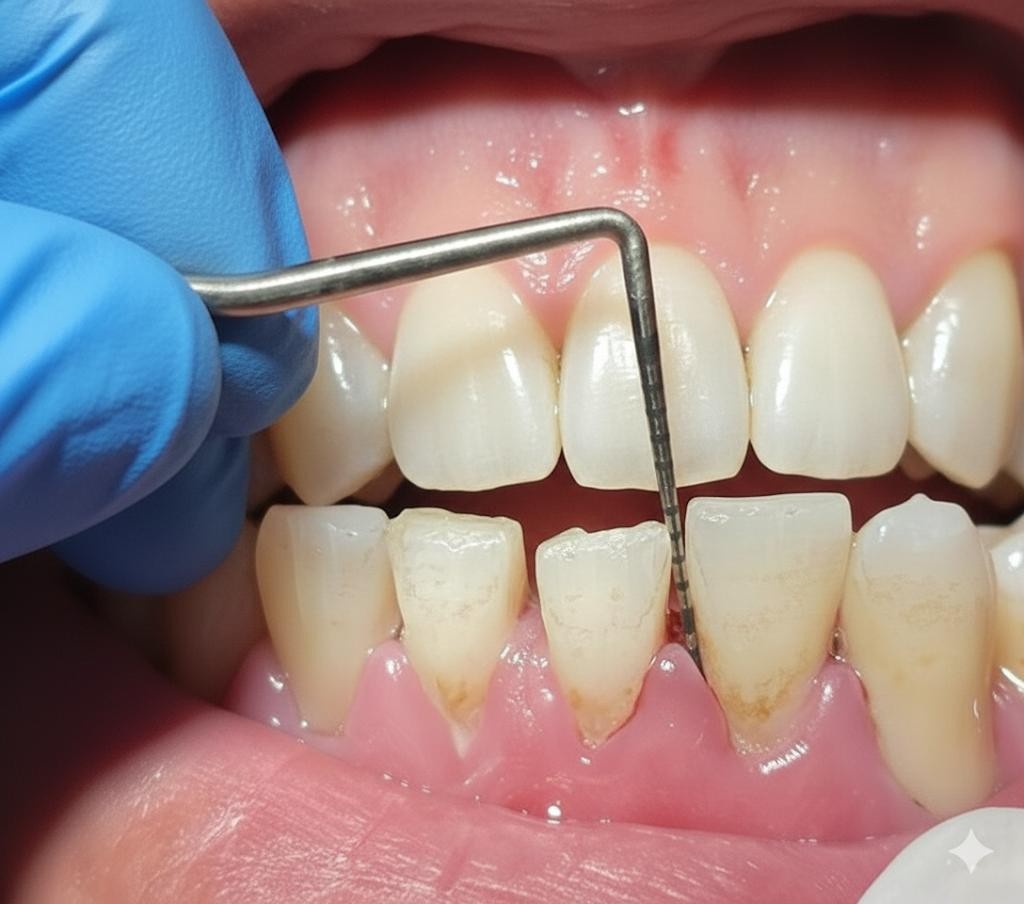
  • Measuring gum pocket depths
  • Assessing bone levels
  • Identifying inflammation and infection
  • Evaluating risk factors such as smoking or diabetes

2. Treat Moderate to Advanced Gum Disease

For patients with periodontitis, a periodontist can provide:

  • Deep cleaning (Scaling & Root Planing)
  • Targeted antimicrobial therapy
  • Specialist periodontal treatment plans
  • Supportive periodontal maintenance

These treatments aim to stop disease progression and stabilise the gums.

3. Treat Gum Recession

Gum recession can cause sensitivity, aesthetic concerns, and root exposure.
A periodontist can offer:

  • Non-surgical management
  • Gum grafting procedures
  • Treatment to prevent further recession

4. Manage Dental Implants & Peri-Implantitis

Periodontists are experts in the health of tissues around dental implants, including:

  • Prevention of implant complications
  • Treatment of peri-implantitis
  • Long-term implant maintenance

5. Perform Advanced Periodontal Surgery

In more advanced cases, treatment may include:

  • Regenerative procedures
  • Surgical periodontal therapy
  • Bone and tissue preservation techniques


When Should You See a Gum Specialist?

You should consider seeing a periodontist if you notice:

  • Bleeding gums when brushing or flossing
  • Swollen or red gums
  • Persistent bad breath
  • Gum recession or teeth looking longer
  • Loose or shifting teeth
  • A history of gum disease
  • Dental implants that feel uncomfortable
  • You smoke or have diabetes

Early referral to a gum specialist can prevent permanent damage.


Why Specialist Periodontal Care Matters

Gum disease is often painless — but its effects can be serious.

Without specialist treatment, periodontal disease can lead to:

  • Bone loss
  • Tooth movement
  • Tooth loss
  • Implant failure
  • Complex and costly treatment

Seeing a periodontist early often means simpler, more comfortable treatment and better long-term results.


Periodontal Care at Hammersmith Dental Care

At Hammersmith Dental Care, our periodontist offers:

✔ Comprehensive gum assessments
✔ Evidence-based periodontal treatment
✔ Personalised maintenance programmes
✔ Long-term gum stability and prevention

We work closely with your general dentist to ensure seamless care.


gum-disease-1200x800.jpg

December 7, 2025 GuidelinesServices0

Gum disease is one of the most common dental problems in the UK — yet many people don’t realise they have it until it becomes serious. Because gum disease often progresses quietly, recognising the early signs can help you protect your teeth, prevent bone loss, and avoid more complex treatment in the future.

At Hammersmith Dental Care, our periodontal team helps patients spot the warning signs early and get the specialist care they need to keep their gums healthy for life.

What Is Gum Disease?

Gum disease (periodontal disease) happens when plaque bacteria cause inflammation of the gums.
It begins as gingivitis, and if left untreated, can progress to periodontitis, leading to gum recession, bone loss, and even tooth loss.

The sooner gum disease is detected, the easier it is to treat — and the better the long-term outcome for your oral health.

Early Signs of Gum Disease You Should Never Ignore

1- Bleeding Gums

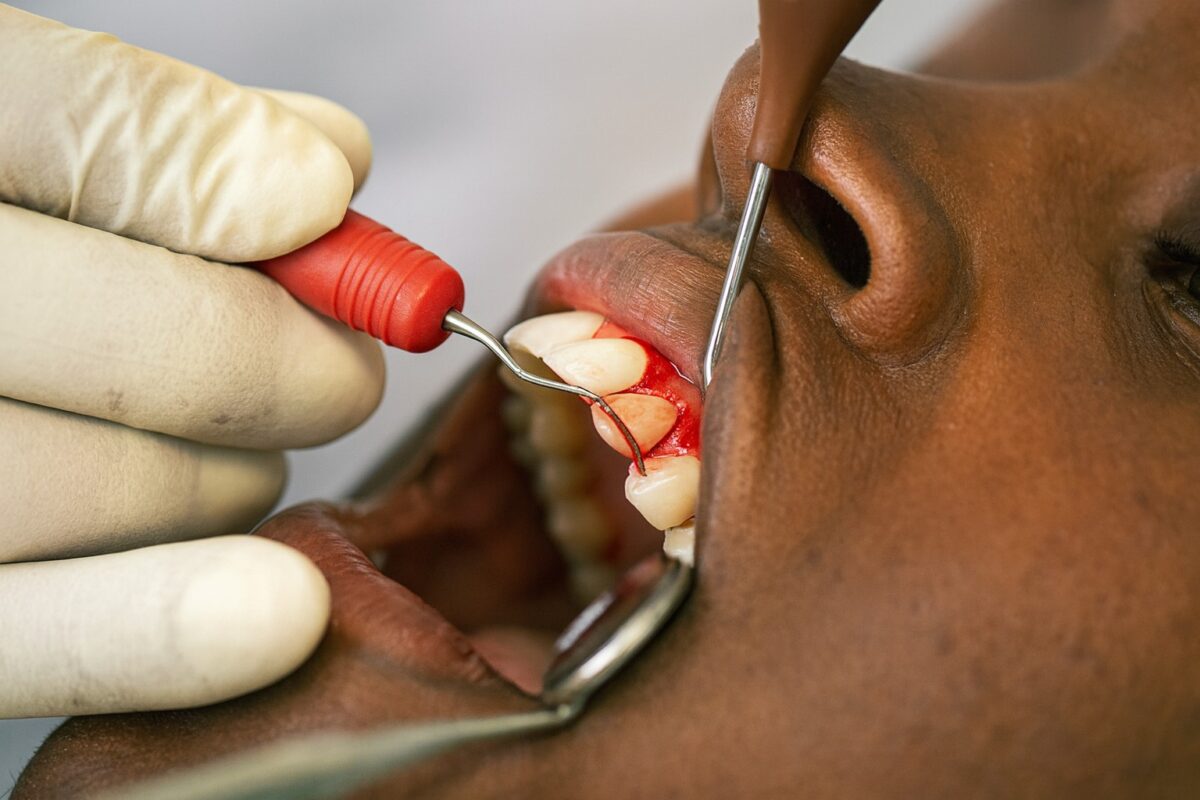
If your gums bleed when brushing, flossing, or eating, it is not normal.
Bleeding is usually the first sign of gum inflammation.

Why it matters:
Bleeding indicates that plaque and bacteria are building up around the gumline, causing irritation and swelling

2- Red, Swollen, or Tender Gums

Healthy gums should be firm and pink.
Redness or puffiness means your immune system is responding to bacteria.

Why it matters:
Swelling is an early indicator of gingivitis and can progress quickly without treatment.

3- Bad Breath That Doesn’t Go Away

Persistent bad breath (halitosis) or an unpleasant taste can be caused by trapped bacteria under the gums.

Why it matters:
Gum infection produces gases that cause odour — a strong sign that harmful bacteria are present.

4- Receding Gums

Your teeth may start to look “longer” as the gums shrink away from the surface.

Why it matters:
Gum recession is often linked to early periodontitis and can expose the roots, causing sensitivity and increasing the risk of tooth loss.

5- Sensitivity to Hot or Cold

When the gums pull back, the root surface becomes exposed, leading to discomfort or sharp sensitivity.

Why it matters:
This is a sign that gum inflammation has already started to damage tissue.


6- Loose Teeth or Changes to Your Bite

In advanced stages, patients may notice movement in their teeth or that their bite feels different.

Why it matters:
This indicates bone loss, which requires urgent periodontal treatment.


 Why Early Treatment Matters

Treating gum disease early prevents:

  • Gum recession
  • Bone loss
  • Tooth mobility
  • Tooth loss
  • Pain and infection
  • The need for surgery

Early diagnosis often means treatment can be non-surgical and more comfortable, such as:

  • Professional deep cleaning (Scaling & Root Planing)
  • Hygiene therapy
  • Targeted periodontal treatment
  • Home-care guidance to support long-term gum health

At Hammersmith Dental Care, our periodontist provides advanced care for all stages of gum disease, ensuring predictable, long-lasting results.

When to See a Periodontist

You should book a periodontal assessment if you notice:

✔ Ongoing bleeding gums
✔ Bad breath despite cleaning
✔ Gum recession
✔ Loose teeth
✔ A family history of gum disease
✔ You smoke or have diabetes (higher risk)

Our specialist-led team offers comprehensive gum assessments using advanced diagnostic tools


implant-gum.png

November 27, 2025 Uncategorized0

Expert care for implant patients at Hammersmith Dental Care

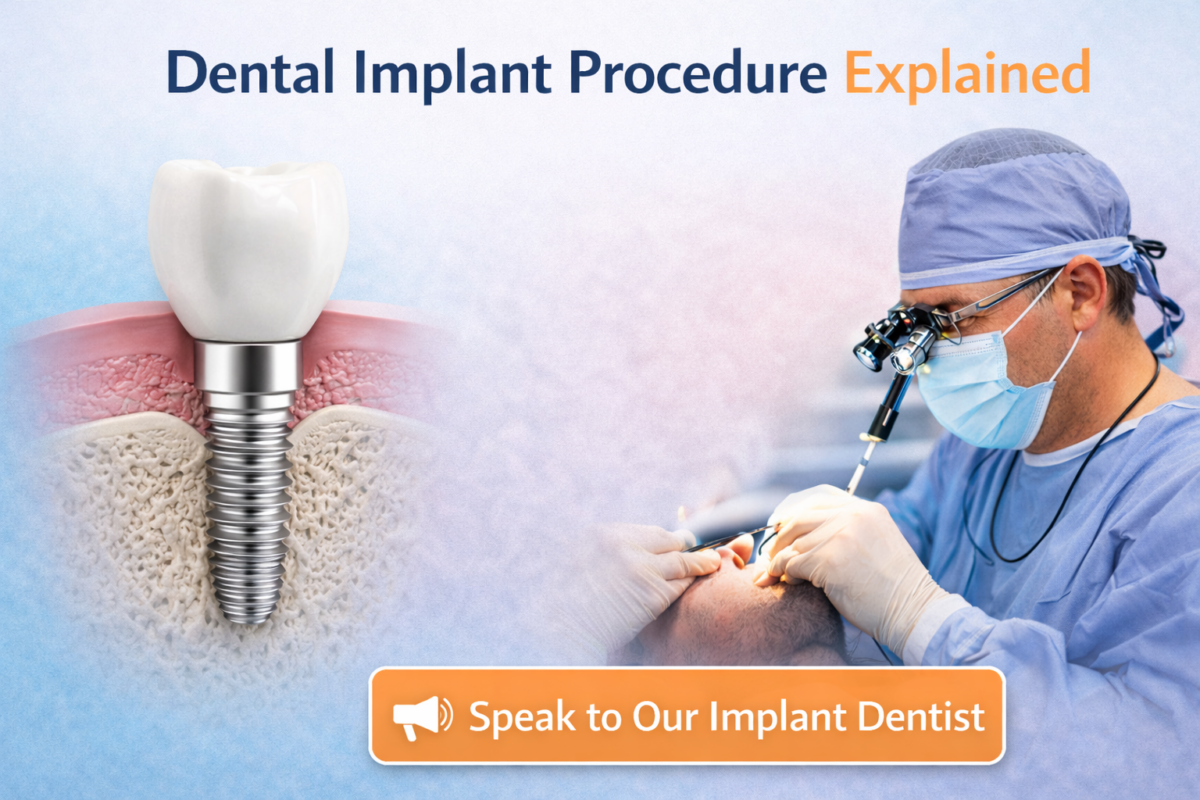
Healthy gums are essential for successful dental implants. However, many patients worry that gum disease will prevent them from getting implants. Fortunately, with the right treatment, most people can still restore their smile. At Hammersmith Dental Care, we specialise in helping patients with gum disease, gum recession, and bone loss prepare for safe and predictable implant treatment. As a result, even those with complex gum concerns can often receive implants successfully.

Why Gum Health Matters for Dental Implants

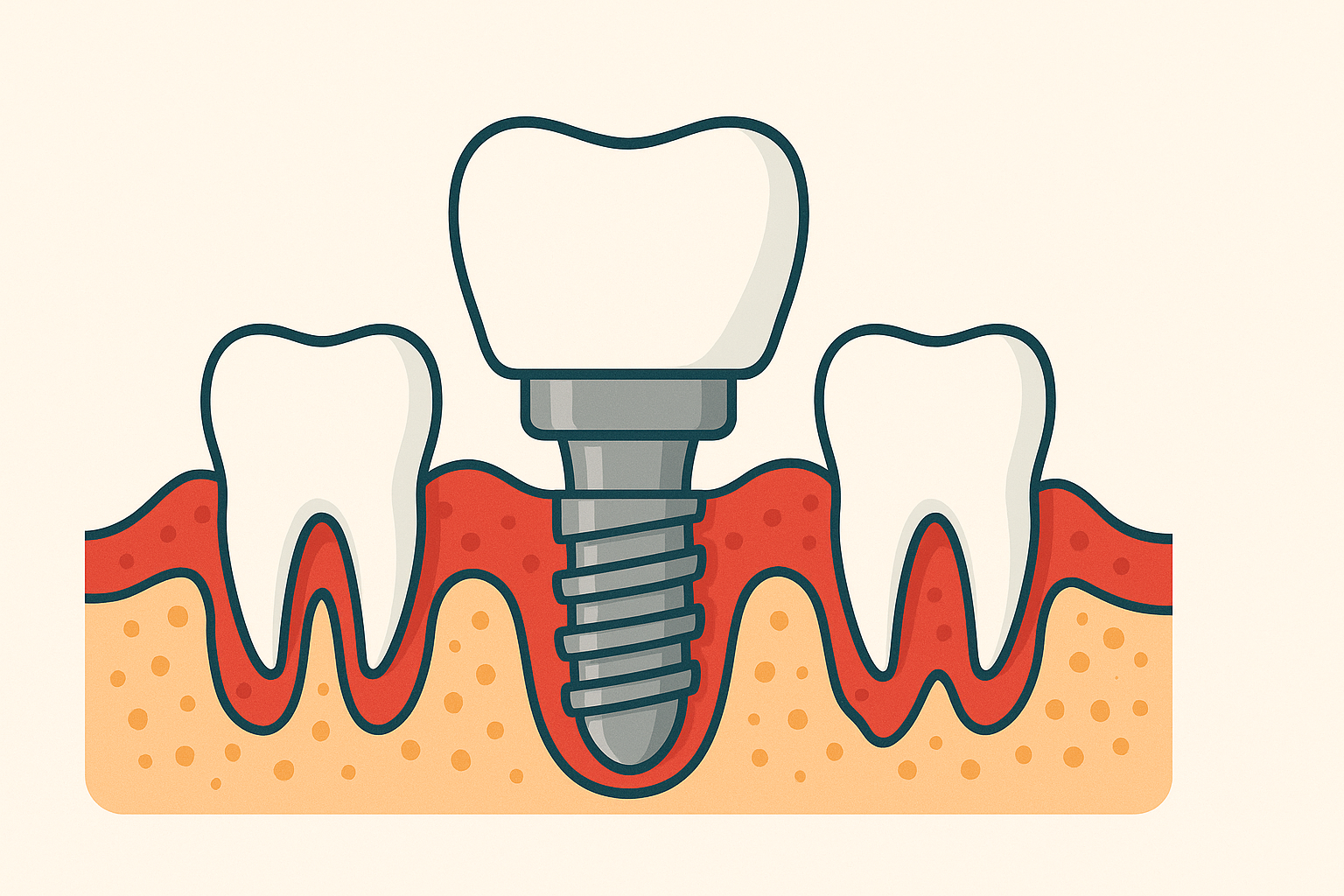
Dental implants need strong bone and healthy gum tissue to stay firmly in place. Without proper gum health, several problems may occur. For example, untreated gum disease can lead to:

  • Bone loss around the implant

  • Inflammation (peri-implantitis)

  • A higher risk of implant failure

  • Delayed healing

In fact, the American Academy of Periodontology confirms that gum disease is a major cause of tooth and bone loss — both of which are crucial for implant success. Therefore, treating gum disease before implant placement is essential.

Can You Have Dental Implants If You Have Gum Disease?

Yes — in most cases. You can still have dental implants as long as gum disease is treated first. Although gum problems may seem like a barrier, most patients can move forward once their gums have been stabilised.

At Hammersmith Dental Care, we may recommend several treatments to achieve this, such as:

  • Deep cleaning (scaling & root planing)

  • Gum infection control

  • Bone grafting where bone loss has occurred

  • Gum grafting for receding gums

  • Tailored periodontal maintenance before and after implants

Once your gums are healthy and stable, implants can be placed safely using modern, 3D-guided techniques. Consequently, your treatment becomes both more predictable and more comfortable.

Benefits of Implants for Patients With Previous Gum Problems

Dental implants offer long-term advantages, especially for patients who have experienced gum disease. For instance, implants can provide:

  • Prevention of further bone loss

  • Improved chewing function

  • Better oral hygiene and stability

  • A natural-looking, confident smile

  • Long-term reliability when gum disease is well-managed

Moreover, research shows that dental implants have high success rates even in patients with a history of periodontal disease — provided treatment is completed first. Therefore, proper preparation greatly increases the chances of long-term success.

Our Implant Process at Hammersmith Dental Care

1.Gum and Bone Assessment

First, we examine the gums, check bone levels, and identify any active infection. This ensures that we understand your oral health fully before planning treatment.

2. Periodontal Treatment

Next, we stabilise gum disease and prepare the mouth for implant placement. This step is essential for long-term implant success.

3. Precision-Guided Implant Placement

After your gums are healthy, we use 3D scanning and guided surgery to place implants with maximum accuracy and comfort.

4. Long-Term Maintenance

Finally, ongoing hygiene appointments and regular monitoring help keep your gums and implants healthy for many years.

Book Your Implant Consultation in Hammersmith

If you’re dealing with gum problems but want to replace missing teeth, we can help.
Our experienced team provides personalised care for complex gum and implant cases.


Get in touch

Contact us now

Please note that fees may vary but will be confirmed at the consultation and a written estimate will be given before treatment commences.


CONTACT

(+44) 020 8741 4777


Contact via Email

enquiries@ hammersmithdentalcare.com


Follow us

Our Activity

Join us on social media to explore innovation and empowerment.


Copyright by MoReel 2025. All rights reserved.