
Blog

CLASSIC LIST


hyg-vs-Perio-1200x800.png

January 29, 2026 GuidelinesServices0

Understanding the Difference

If you’ve been told you may have gum disease, or you’re experiencing bleeding gums or bad breath, you might be wondering:

Do I need a periodontist or a hygienist?

This is one of the most common questions patients ask at Hammersmith Dental Care, and it’s also why searches such as periodontist vs hygienist, gum specialist vs hygienist, and who treats gum disease are so common online.

This guide explains the difference clearly, helping patients across Hammersmith and Fulham understand which professional is right for their gum health.


Why Understanding the Difference Matters

Gum disease often progresses silently. Many patients assume routine hygiene appointments are enough — but once gum disease becomes more advanced, specialist periodontal care may be required to prevent tooth loss and bone damage.

Knowing whether you need a hygienist or a periodontist ensures you receive the right treatment at the right time.


What Does a Dental Hygienist Do?

A dental hygienist focuses on preventing gum disease and maintaining healthy gums through regular professional care.

A hygienist can help with:

  • Scale and polish treatments
  • Removal of plaque and tartar above the gumline
  • Managing early gum disease (gingivitis)
  • Reducing bleeding gums
  • Oral hygiene advice tailored to your needs
  • Ongoing maintenance following periodontal treatment

Best for:
Patients with healthy gums, mild inflammation, or early-stage gum disease.
Hygiene Services (Hammersmith Dental Care)

What Does a Periodontist Do?

A periodontist is a gum specialist with advanced training in diagnosing and treating moderate to advanced gum disease (periodontitis).

At Hammersmith Dental Care, patients from Hammersmith and Fulham are referred to a periodontist when specialist care is needed to control gum disease and protect long-term oral health.

A periodontist treats:

  • Advanced gum disease (periodontitis)
  • Deep gum pockets
  • Gum recession
  • Bone loss around teeth
  • Persistent gum infection
  • Loose or shifting teeth
  • Non-surgical and surgical periodontal treatments

Best for:
Patients with ongoing gum problems, deep pockets, or bone loss seen on X-rays.
Periodontist (Gum Specialist)


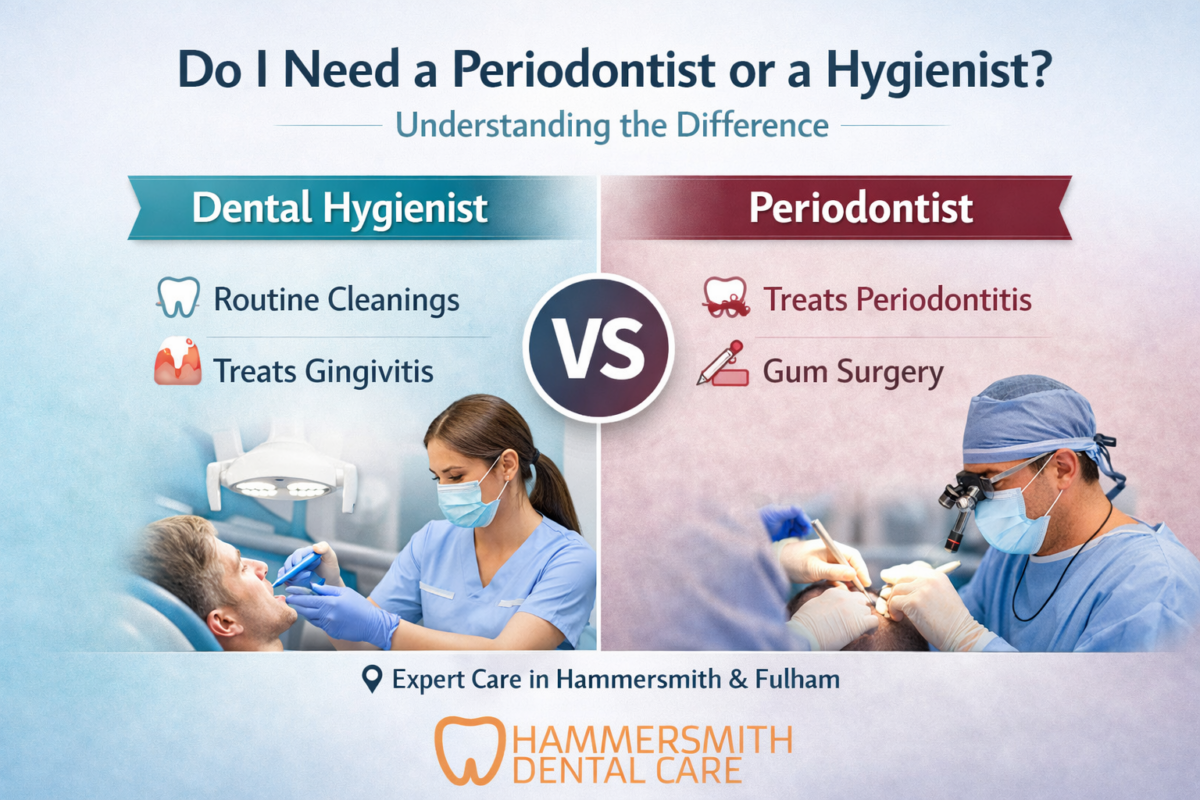
Periodontist vs Hygienist: What’s the Difference?

Hygienist Periodontist
Prevents gum disease Treats advanced gum disease
Routine cleaning Deep cleaning below the gumline
Treats gingivitis Treats periodontitis
Maintenance care Specialist periodontal care
Non-surgical Non-surgical & surgical treatments


Who Treats Gum Disease?

It depends on how advanced the gum disease is:

  • Gingivitis (early gum disease):
    → Usually treated by a hygienist
  • Periodontitis (advanced gum disease):
    → Treated by a periodontist (gum specialist)

Patients often don’t realise they have periodontitis until symptoms worsen — which is why early assessment is so important.


Signs You May Need a Periodontist

You may benefit from seeing a gum specialist if you experience:

  • Bleeding gums that don’t improve
  • Persistent bad breath
  • Receding gums
  • Loose or shifting teeth
  • Deep gum pockets
  • Gum tenderness or swelling
  • Bone loss identified on X-rays
  • A history of gum disease

If you’re unsure, a professional gum assessment can determine the most appropriate care.

Do I Need Both a Hygienist and a Periodontist?

In many cases, yes.

A common treatment approach at Hammersmith Dental Care includes:

  1. Specialist treatment with a periodontist
  2. Long-term gum maintenance with a hygienist

This combined approach offers the best protection against gum disease returning.


Book the Right Gum Care

If you’re unsure whether you need a hygienist or a periodontist, our team can guide you with a comprehensive gum health assessment.

We proudly care for patients across Hammersmith and Fulham, helping them protect their gums, teeth, and long-term oral health.

Book a Periodontist Consultation
Book a Hygiene Appointment


Diabete-and-gum.jpg

January 15, 2026 GuidelinesServices0

Gum Disease and Diabetes: The Science Behind the Link

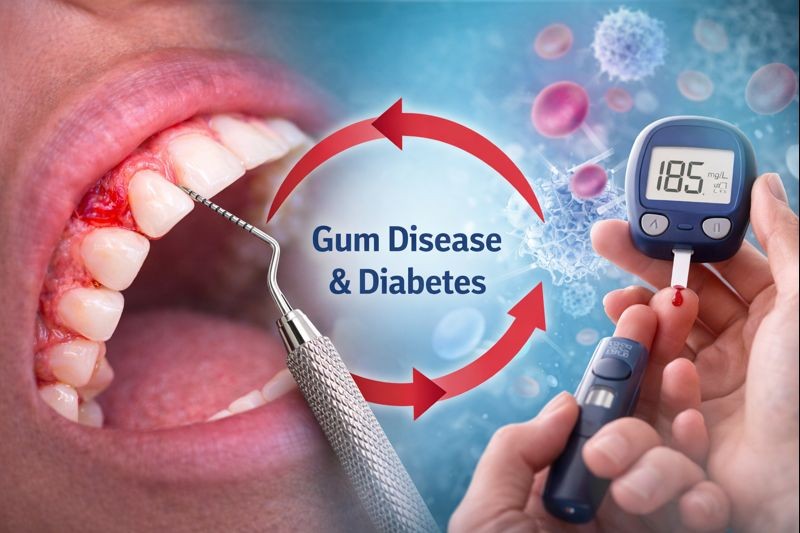
Gum disease and diabetes are closely connected through inflammation, immunity, and blood sugar control. This relationship is so well established that gum disease is now considered the sixth complication of diabetes by medical professionals.

At Hammersmith Dental Care, we regularly support patients with diabetes by providing specialist periodontal care designed to protect both oral and general health.


What Is Gum Disease?

Gum disease, also called periodontal disease, is a chronic inflammatory condition caused by harmful bacteria living below the gumline.

It develops in stages:

🔹 Gingivitis

  • Caused by plaque bacteria irritating the gums
  • Leads to redness, swelling, and bleeding
  • Reversible with professional care

🔹 Periodontitis

  • Occurs when inflammation spreads deeper
  • The immune system begins to damage bone and tissue
  • Results in gum recession, bone loss, and loose teeth
  • Not reversible, but can be stabilised

The key driver is chronic inflammation, which plays a major role in its link with diabetes.

What Is Diabetes? (And Why It Affects Healing)

Diabetes affects how the body regulates blood glucose (sugar). When blood sugar levels remain high:

  • White blood cells become less effective
  • Inflammation increases throughout the body
  • Healing slows down
  • Infection risk rises

This makes people with diabetes more vulnerable to infections, including infections of the gums.


The Science: How Diabetes Makes Gum Disease Worse

From a biological perspective, diabetes impacts gum health in several ways:

  1. Impaired Immune Response

High blood sugar weakens the immune system, making it harder to fight the bacteria responsible for gum disease.

  1. Increased Inflammation

Diabetes increases inflammatory markers in the bloodstream. In the gums, this leads to:

  • Faster tissue breakdown
  • Greater bone loss
  • More severe periodontitis
  1. Reduced Blood Flow

Diabetes affects small blood vessels, limiting oxygen and nutrient delivery to the gums — slowing healing after infection or dental treatment.


The Reverse Effect: How Gum Disease Affects Blood Sugar

Gum disease doesn’t stay in the mouth.

The bacteria and inflammation associated with periodontitis:

  • Enter the bloodstream
  • Increase systemic inflammation
  • Interfere with insulin function

What the Science Shows

Multiple studies confirm that untreated gum disease makes blood sugar levels harder to control, while periodontal treatment can lead to measurable improvements in HbA1c levels (a key diabetes marker).

In simple terms:
Healthy gums help support better diabetes control.

Warning Signs Diabetic Patients Should Never Ignore

People with diabetes should be especially alert to:

  • Bleeding gums
  • Red, swollen, or tender gums
  • Persistent bad breath
  • Gum recession
  • Teeth that feel loose
  • Slow healing after dental work

Because gum disease can be painless, regular checks are essential.


Why Periodontal Treatment Is Especially Important for Diabetics

Without treatment, gum disease can lead to:

  • Accelerated bone loss
  • Tooth loss
  • Implant complications
  • Increased systemic inflammation
  • Poor diabetes control

Early periodontal care reduces bacterial load and inflammation — benefiting both oral and general health.


Periodontal Treatment for Diabetic Patients at Hammersmith Dental Care

At Hammersmith Dental Care, our approach is evidence-based and tailored to patients with diabetes:

  • Detailed gum assessments
  • Deep cleaning (scaling and root planing)
  • Careful infection control
  • Supportive periodontal maintenance
  • Long-term prevention strategies

We focus on stabilising gum health while supporting overall wellbeing.


Practical Steps Diabetic Patients Can Take to Protect Their Gums

✔ Maintain stable blood sugar levels
✔ Brush twice daily with fluoride toothpaste
✔ Clean between teeth every day
✔ Attend regular hygiene appointments
✔ Seek early periodontal assessment
✔ Avoid smoking or vaping

Prevention and early intervention are key.

When Should a Diabetic Patient See a Periodontist?

You should book a periodontal assessment if:

  • You have diabetes and bleeding gums
  • Gum disease keeps returning
  • You notice gum recession
  • You have loose teeth or implants
  • You want to reduce long-term health risks

Specialist care leads to better outcomes.


References

  1. NHS – Gum Disease: https://www.nhs.uk/conditions/gum-disease/
  2. NHS – Diabetes: https://www.nhs.uk/conditions/diabetes/
  3. British Society of Periodontology – Systemic Health: https://www.bsperio.org.uk
  4. American Academy of Periodontology – Diabetes & Gum Disease: https://www.perio.org/consumer/diabetes-and-periodontal-disease
  5. Preshaw PM et al., Periodontitis and Diabetes: A Two-Way Relationship, Diabetologia

gum-disease-1200x800.jpg

December 7, 2025 GuidelinesServices0

Gum disease is one of the most common dental problems in the UK — yet many people don’t realise they have it until it becomes serious. Because gum disease often progresses quietly, recognising the early signs can help you protect your teeth, prevent bone loss, and avoid more complex treatment in the future.

At Hammersmith Dental Care, our periodontal team helps patients spot the warning signs early and get the specialist care they need to keep their gums healthy for life.

What Is Gum Disease?

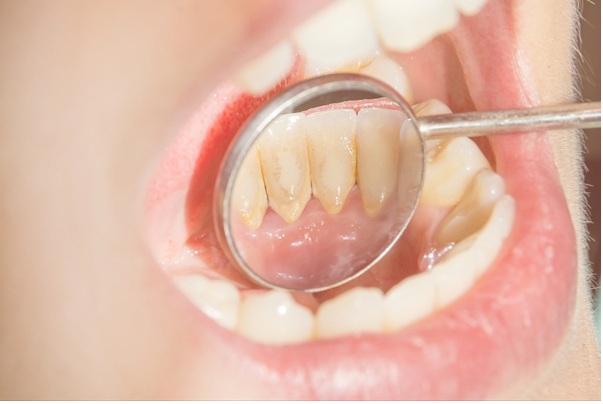
Gum disease (periodontal disease) happens when plaque bacteria cause inflammation of the gums.
It begins as gingivitis, and if left untreated, can progress to periodontitis, leading to gum recession, bone loss, and even tooth loss.

The sooner gum disease is detected, the easier it is to treat — and the better the long-term outcome for your oral health.

Early Signs of Gum Disease You Should Never Ignore

1- Bleeding Gums

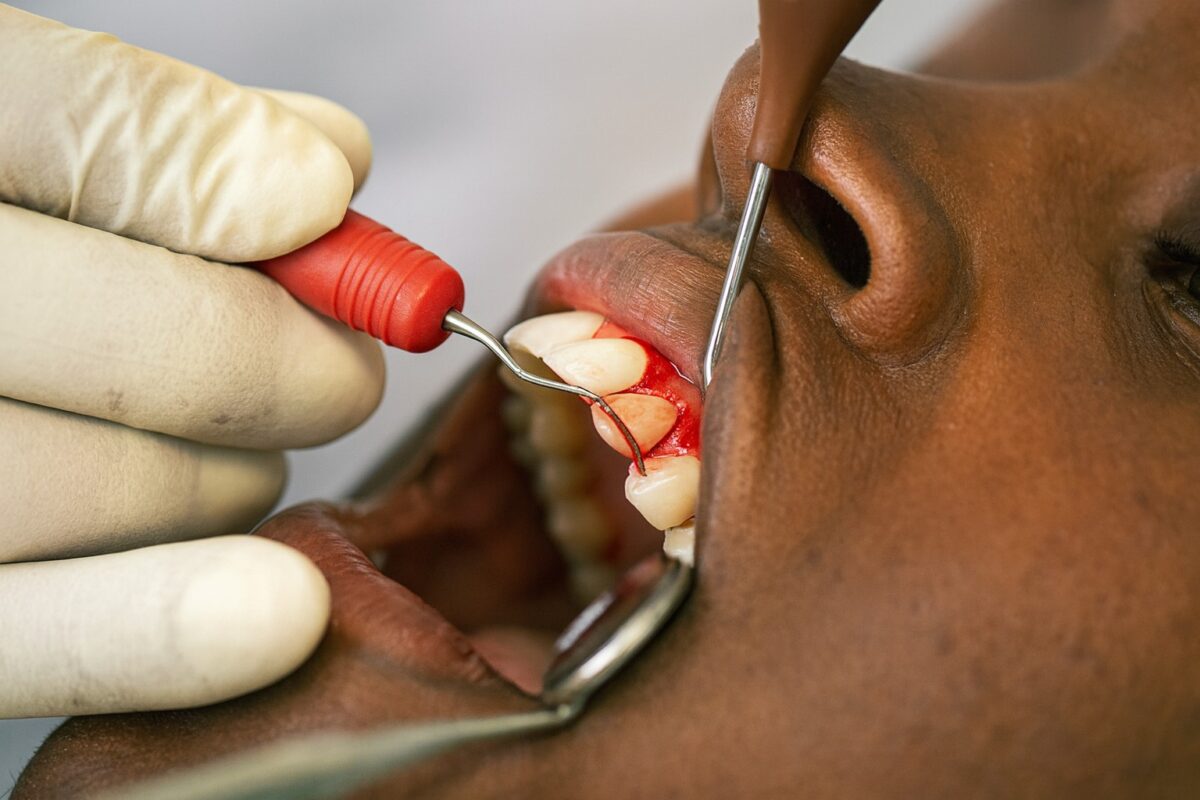
If your gums bleed when brushing, flossing, or eating, it is not normal.
Bleeding is usually the first sign of gum inflammation.

Why it matters:
Bleeding indicates that plaque and bacteria are building up around the gumline, causing irritation and swelling

2- Red, Swollen, or Tender Gums

Healthy gums should be firm and pink.
Redness or puffiness means your immune system is responding to bacteria.

Why it matters:
Swelling is an early indicator of gingivitis and can progress quickly without treatment.

3- Bad Breath That Doesn’t Go Away

Persistent bad breath (halitosis) or an unpleasant taste can be caused by trapped bacteria under the gums.

Why it matters:
Gum infection produces gases that cause odour — a strong sign that harmful bacteria are present.

4- Receding Gums

Your teeth may start to look “longer” as the gums shrink away from the surface.

Why it matters:
Gum recession is often linked to early periodontitis and can expose the roots, causing sensitivity and increasing the risk of tooth loss.

5- Sensitivity to Hot or Cold

When the gums pull back, the root surface becomes exposed, leading to discomfort or sharp sensitivity.

Why it matters:
This is a sign that gum inflammation has already started to damage tissue.


6- Loose Teeth or Changes to Your Bite

In advanced stages, patients may notice movement in their teeth or that their bite feels different.

Why it matters:
This indicates bone loss, which requires urgent periodontal treatment.


 Why Early Treatment Matters

Treating gum disease early prevents:

  • Gum recession
  • Bone loss
  • Tooth mobility
  • Tooth loss
  • Pain and infection
  • The need for surgery

Early diagnosis often means treatment can be non-surgical and more comfortable, such as:

  • Professional deep cleaning (Scaling & Root Planing)
  • Hygiene therapy
  • Targeted periodontal treatment
  • Home-care guidance to support long-term gum health

At Hammersmith Dental Care, our periodontist provides advanced care for all stages of gum disease, ensuring predictable, long-lasting results.

When to See a Periodontist

You should book a periodontal assessment if you notice:

✔ Ongoing bleeding gums
✔ Bad breath despite cleaning
✔ Gum recession
✔ Loose teeth
✔ A family history of gum disease
✔ You smoke or have diabetes (higher risk)

Our specialist-led team offers comprehensive gum assessments using advanced diagnostic tools


Get in touch

Contact us now

Please note that fees may vary but will be confirmed at the consultation and a written estimate will be given before treatment commences.


CONTACT

(+44) 020 8741 4777


Contact via Email

enquiries@ hammersmithdentalcare.com


Follow us

Our Activity

Join us on social media to explore innovation and empowerment.


Copyright by MoReel 2025. All rights reserved.