
Blog

CLASSIC LIST


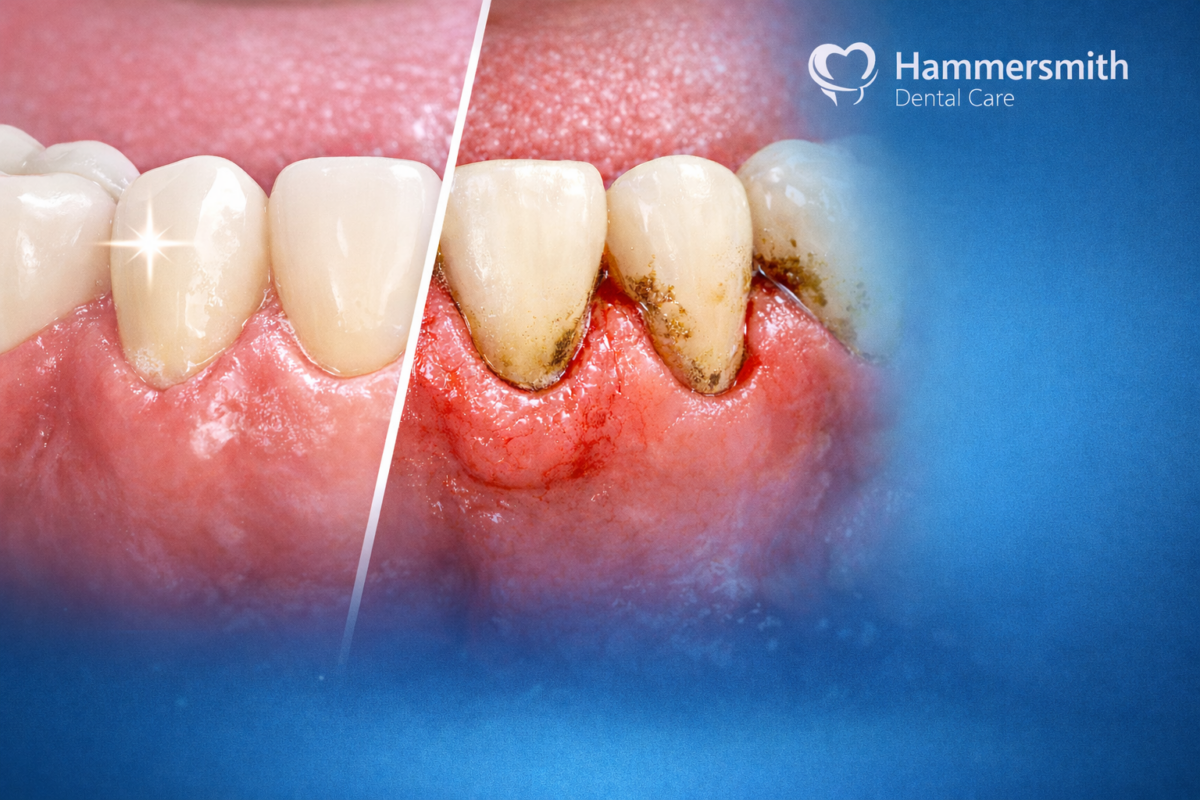
hyg-vs-Perio-1200x800.png

January 29, 2026 GuidelinesServices0

Understanding the Difference

If you’ve been told you may have gum disease, or you’re experiencing bleeding gums or bad breath, you might be wondering:

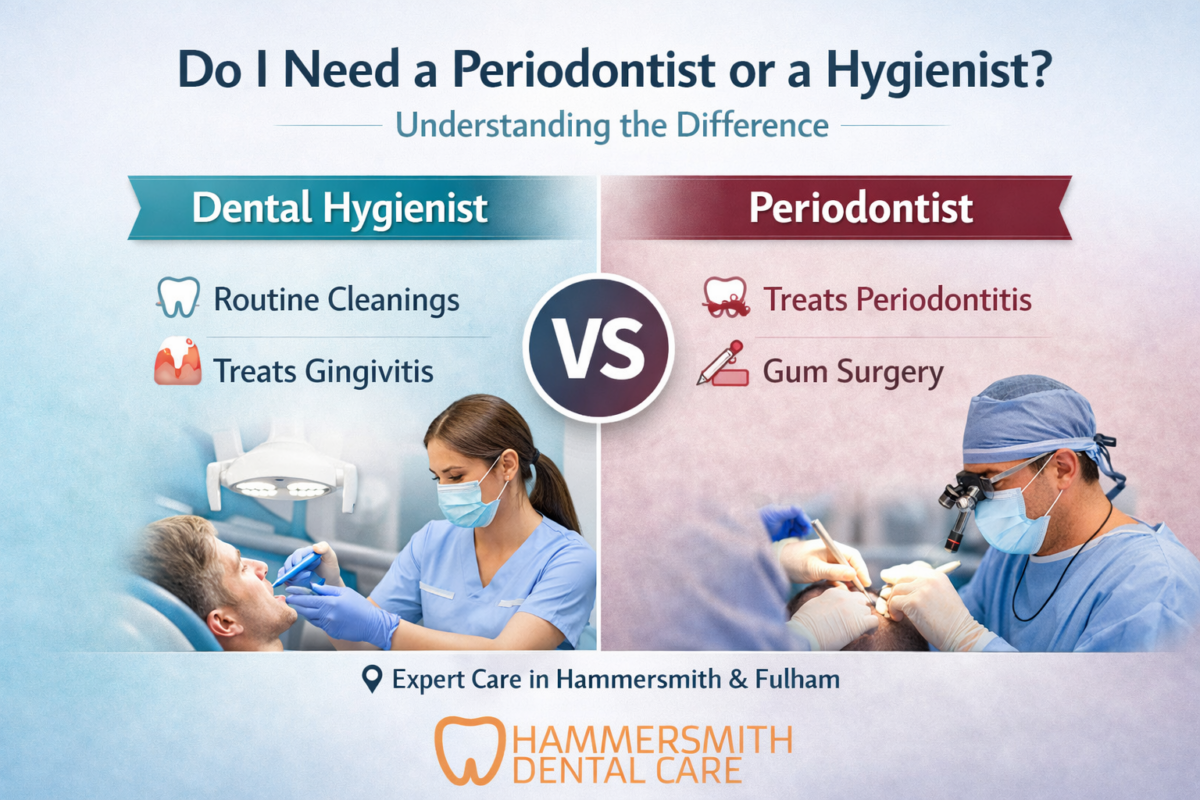
Do I need a periodontist or a hygienist?

This is one of the most common questions patients ask at Hammersmith Dental Care, and it’s also why searches such as periodontist vs hygienist, gum specialist vs hygienist, and who treats gum disease are so common online.

This guide explains the difference clearly, helping patients across Hammersmith and Fulham understand which professional is right for their gum health.


Why Understanding the Difference Matters

Gum disease often progresses silently. Many patients assume routine hygiene appointments are enough — but once gum disease becomes more advanced, specialist periodontal care may be required to prevent tooth loss and bone damage.

Knowing whether you need a hygienist or a periodontist ensures you receive the right treatment at the right time.


What Does a Dental Hygienist Do?

A dental hygienist focuses on preventing gum disease and maintaining healthy gums through regular professional care.

A hygienist can help with:

  • Scale and polish treatments
  • Removal of plaque and tartar above the gumline
  • Managing early gum disease (gingivitis)
  • Reducing bleeding gums
  • Oral hygiene advice tailored to your needs
  • Ongoing maintenance following periodontal treatment

Best for:
Patients with healthy gums, mild inflammation, or early-stage gum disease.
Hygiene Services (Hammersmith Dental Care)

What Does a Periodontist Do?

A periodontist is a gum specialist with advanced training in diagnosing and treating moderate to advanced gum disease (periodontitis).

At Hammersmith Dental Care, patients from Hammersmith and Fulham are referred to a periodontist when specialist care is needed to control gum disease and protect long-term oral health.

A periodontist treats:

  • Advanced gum disease (periodontitis)
  • Deep gum pockets
  • Gum recession
  • Bone loss around teeth
  • Persistent gum infection
  • Loose or shifting teeth
  • Non-surgical and surgical periodontal treatments

Best for:
Patients with ongoing gum problems, deep pockets, or bone loss seen on X-rays.
Periodontist (Gum Specialist)


Periodontist vs Hygienist: What’s the Difference?

Hygienist Periodontist
Prevents gum disease Treats advanced gum disease
Routine cleaning Deep cleaning below the gumline
Treats gingivitis Treats periodontitis
Maintenance care Specialist periodontal care
Non-surgical Non-surgical & surgical treatments


Who Treats Gum Disease?

It depends on how advanced the gum disease is:

  • Gingivitis (early gum disease):
    → Usually treated by a hygienist
  • Periodontitis (advanced gum disease):
    → Treated by a periodontist (gum specialist)

Patients often don’t realise they have periodontitis until symptoms worsen — which is why early assessment is so important.


Signs You May Need a Periodontist

You may benefit from seeing a gum specialist if you experience:

  • Bleeding gums that don’t improve
  • Persistent bad breath
  • Receding gums
  • Loose or shifting teeth
  • Deep gum pockets
  • Gum tenderness or swelling
  • Bone loss identified on X-rays
  • A history of gum disease

If you’re unsure, a professional gum assessment can determine the most appropriate care.

Do I Need Both a Hygienist and a Periodontist?

In many cases, yes.

A common treatment approach at Hammersmith Dental Care includes:

  1. Specialist treatment with a periodontist
  2. Long-term gum maintenance with a hygienist

This combined approach offers the best protection against gum disease returning.


Book the Right Gum Care

If you’re unsure whether you need a hygienist or a periodontist, our team can guide you with a comprehensive gum health assessment.

We proudly care for patients across Hammersmith and Fulham, helping them protect their gums, teeth, and long-term oral health.

Book a Periodontist Consultation
Book a Hygiene Appointment


implant-gum.png

November 27, 2025 Uncategorized0

Expert care for implant patients at Hammersmith Dental Care

Healthy gums are essential for successful dental implants. However, many patients worry that gum disease will prevent them from getting implants. Fortunately, with the right treatment, most people can still restore their smile. At Hammersmith Dental Care, we specialise in helping patients with gum disease, gum recession, and bone loss prepare for safe and predictable implant treatment. As a result, even those with complex gum concerns can often receive implants successfully.

Why Gum Health Matters for Dental Implants

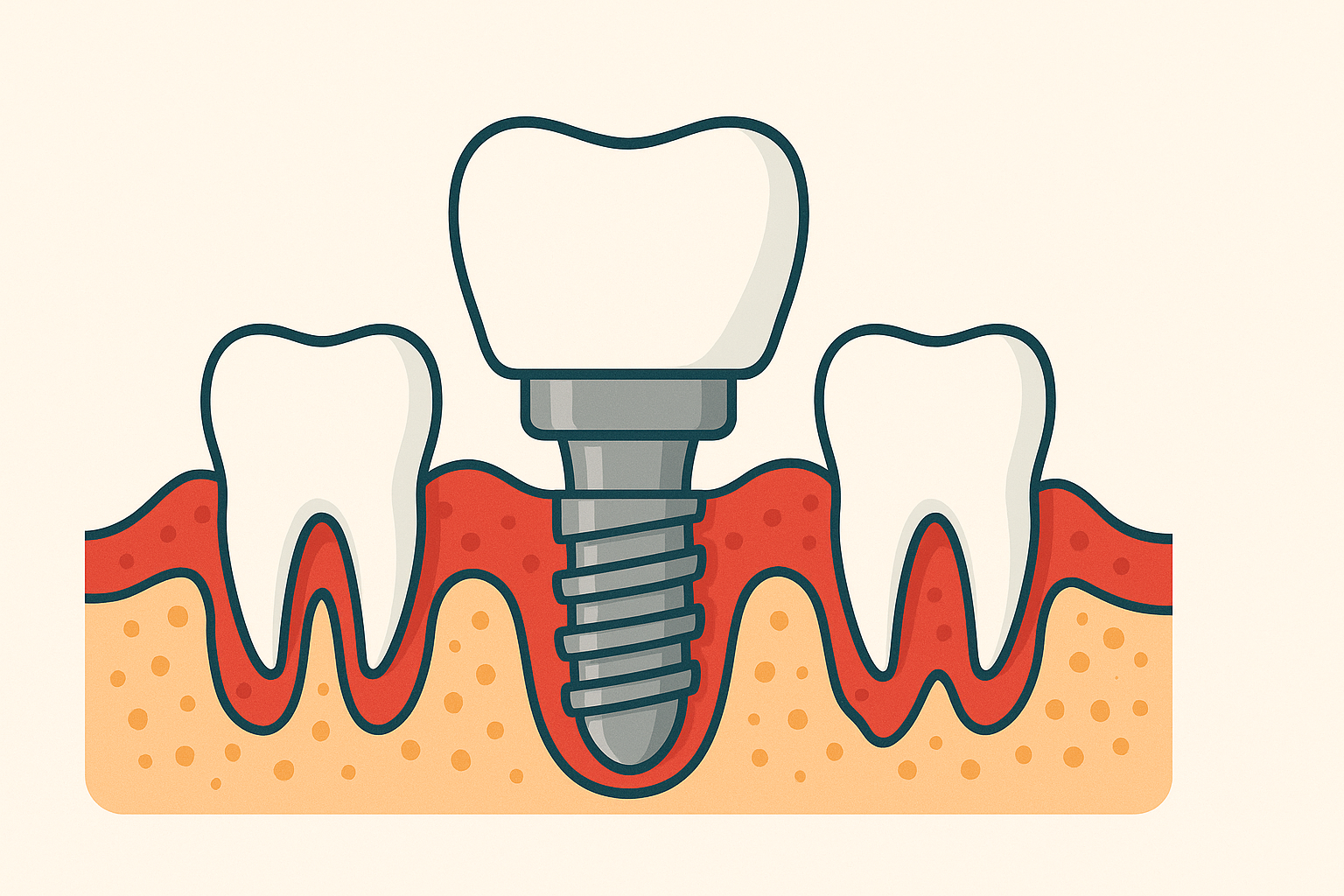
Dental implants need strong bone and healthy gum tissue to stay firmly in place. Without proper gum health, several problems may occur. For example, untreated gum disease can lead to:

  • Bone loss around the implant

  • Inflammation (peri-implantitis)

  • A higher risk of implant failure

  • Delayed healing

In fact, the American Academy of Periodontology confirms that gum disease is a major cause of tooth and bone loss — both of which are crucial for implant success. Therefore, treating gum disease before implant placement is essential.

Can You Have Dental Implants If You Have Gum Disease?

Yes — in most cases. You can still have dental implants as long as gum disease is treated first. Although gum problems may seem like a barrier, most patients can move forward once their gums have been stabilised.

At Hammersmith Dental Care, we may recommend several treatments to achieve this, such as:

  • Deep cleaning (scaling & root planing)

  • Gum infection control

  • Bone grafting where bone loss has occurred

  • Gum grafting for receding gums

  • Tailored periodontal maintenance before and after implants

Once your gums are healthy and stable, implants can be placed safely using modern, 3D-guided techniques. Consequently, your treatment becomes both more predictable and more comfortable.

Benefits of Implants for Patients With Previous Gum Problems

Dental implants offer long-term advantages, especially for patients who have experienced gum disease. For instance, implants can provide:

  • Prevention of further bone loss

  • Improved chewing function

  • Better oral hygiene and stability

  • A natural-looking, confident smile

  • Long-term reliability when gum disease is well-managed

Moreover, research shows that dental implants have high success rates even in patients with a history of periodontal disease — provided treatment is completed first. Therefore, proper preparation greatly increases the chances of long-term success.

Our Implant Process at Hammersmith Dental Care

1.Gum and Bone Assessment

First, we examine the gums, check bone levels, and identify any active infection. This ensures that we understand your oral health fully before planning treatment.

2. Periodontal Treatment

Next, we stabilise gum disease and prepare the mouth for implant placement. This step is essential for long-term implant success.

3. Precision-Guided Implant Placement

After your gums are healthy, we use 3D scanning and guided surgery to place implants with maximum accuracy and comfort.

4. Long-Term Maintenance

Finally, ongoing hygiene appointments and regular monitoring help keep your gums and implants healthy for many years.

Book Your Implant Consultation in Hammersmith

If you’re dealing with gum problems but want to replace missing teeth, we can help.
Our experienced team provides personalised care for complex gum and implant cases.


Gum-Graft-1200x800.png

November 20, 2025 GuidelinesServices0

Gum grafts and Smile Makeovers

Healthy gums are the foundation of a beautiful smile. If you are experiencing gum recession, sensitivity, or feel unhappy with your smile, combining a gum graft with a smile makeover can restore both health and aesthetics. At Hammersmith Dental Care, we provide advanced periodontal and cosmetic treatments to help you achieve a confident, long-lasting smile.

What Is a Gum Graft?

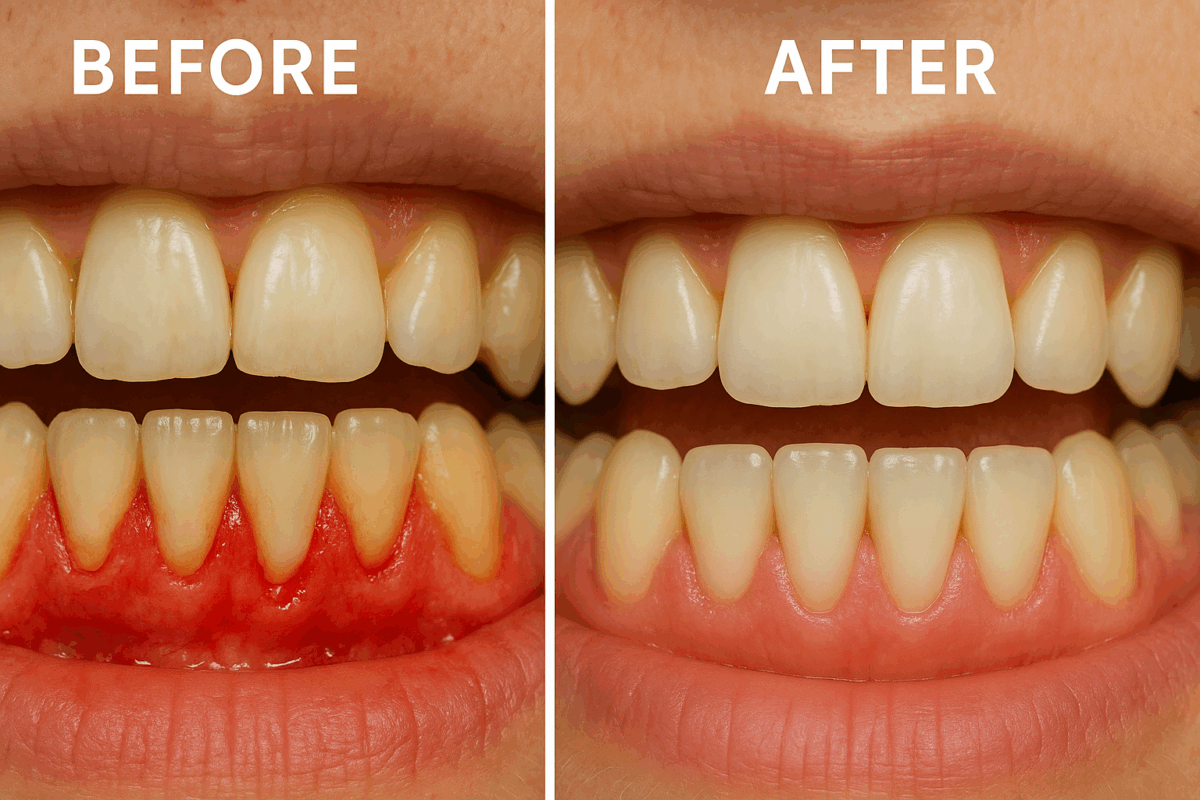
A gum graft is a periodontal procedure used to treat gum recession by adding healthy tissue to areas where gums have receded. This helps protect the tooth roots, reduce sensitivity, and improve the appearance of the gum line.

Benefits of a gum graft

  • Protects tooth roots
  • Reduces sensitivity
  • Strengthens gum health
  • Improves smile symmetry
  • Helps prevent further recession

    Why Gum Grafts Are Important in Smile Makeovers

    If your gums have receded, cosmetic treatments alone won’t achieve the best result. A gum graft:

    • Creates a healthier foundation for veneers or bonding
    • Improves smile symmetry
    • Restores a youthful gum line
    • Enhances gum-to-tooth proportions
    • Supports long-term aesthetic stability

    Treating the gums first ensures your smile makeover looks natural and lasts longer.

    Why Choose Hammersmith Dental Care?

    At Hammersmith Dental Care, our team offers specialist-led gum treatment and advanced cosmetic dentistry, allowing us to treat both health and aesthetics together.

    What we offer:

    • Evidence-based periodontal care
    • Modern cosmetic dentistry
    • Personalised smile makeover plans
    • Digital smile design
    • Comfortable, patient-focused experience

    FAQ

    1. Is a gum graft painful?

    Most patients experience minimal discomfort thanks to modern techniques and local anaesthetic. Mild soreness is normal for a few days.

    1. How long does a gum graft take to heal?

    Initial healing takes about 1–2 weeks. Full stability develops over a few months.

    1. Can a gum graft be part of a smile makeover?

    Yes— restoring the gum line first often makes cosmetic results more natural and longer-lasting.

    1. What causes gum recession?

    Common causes include gum disease, over-brushing, genetics, orthodontic treatment, and ageing.

    1. How much does a gum graft cost in London?

    Costs vary depending on the amount of recession and the type of graft used. A consultation at Hammersmith Dental Care provides a personalised treatment plan.

    References

    1. American Academy of Periodontology – Soft Tissue Grafting Guidelines
    2. British Society of Periodontology – Gum Recession Treatment


Get in touch

Contact us now

Please note that fees may vary but will be confirmed at the consultation and a written estimate will be given before treatment commences.


CONTACT

(+44) 020 8741 4777


Contact via Email

enquiries@ hammersmithdentalcare.com


Follow us

Our Activity

Join us on social media to explore innovation and empowerment.


Copyright by MoReel 2025. All rights reserved.