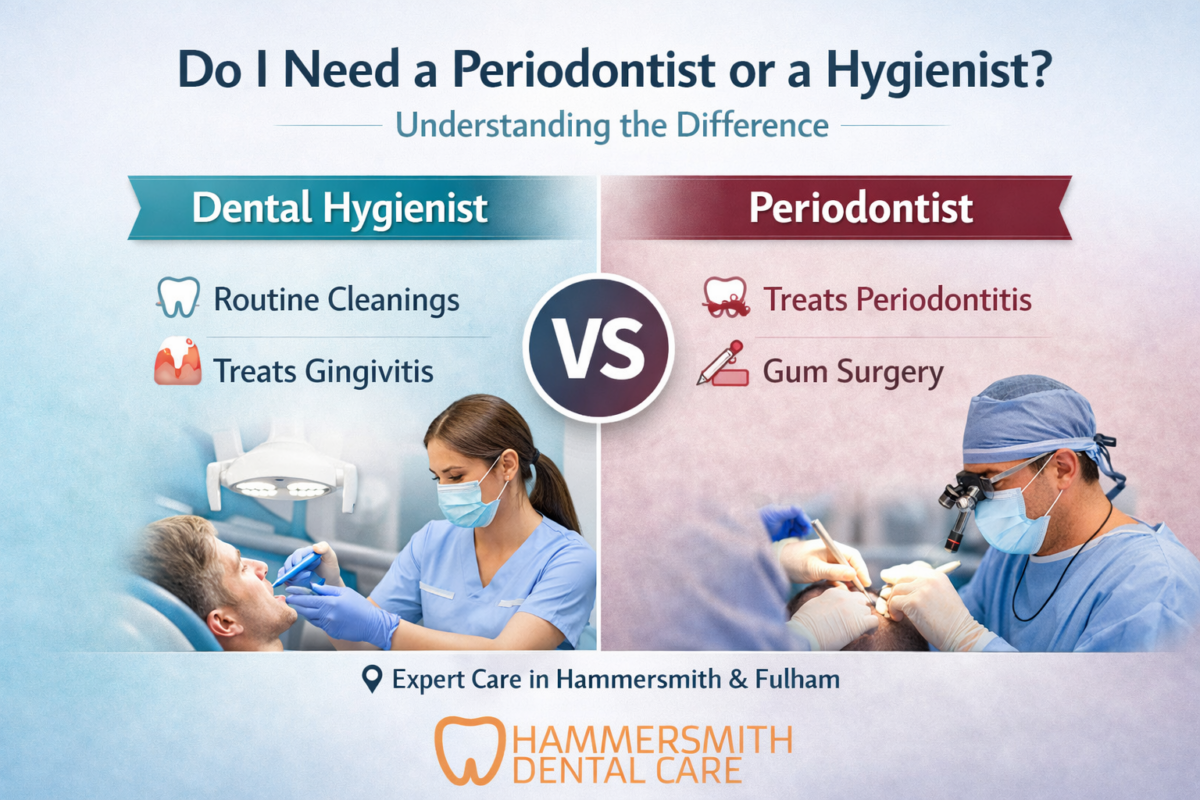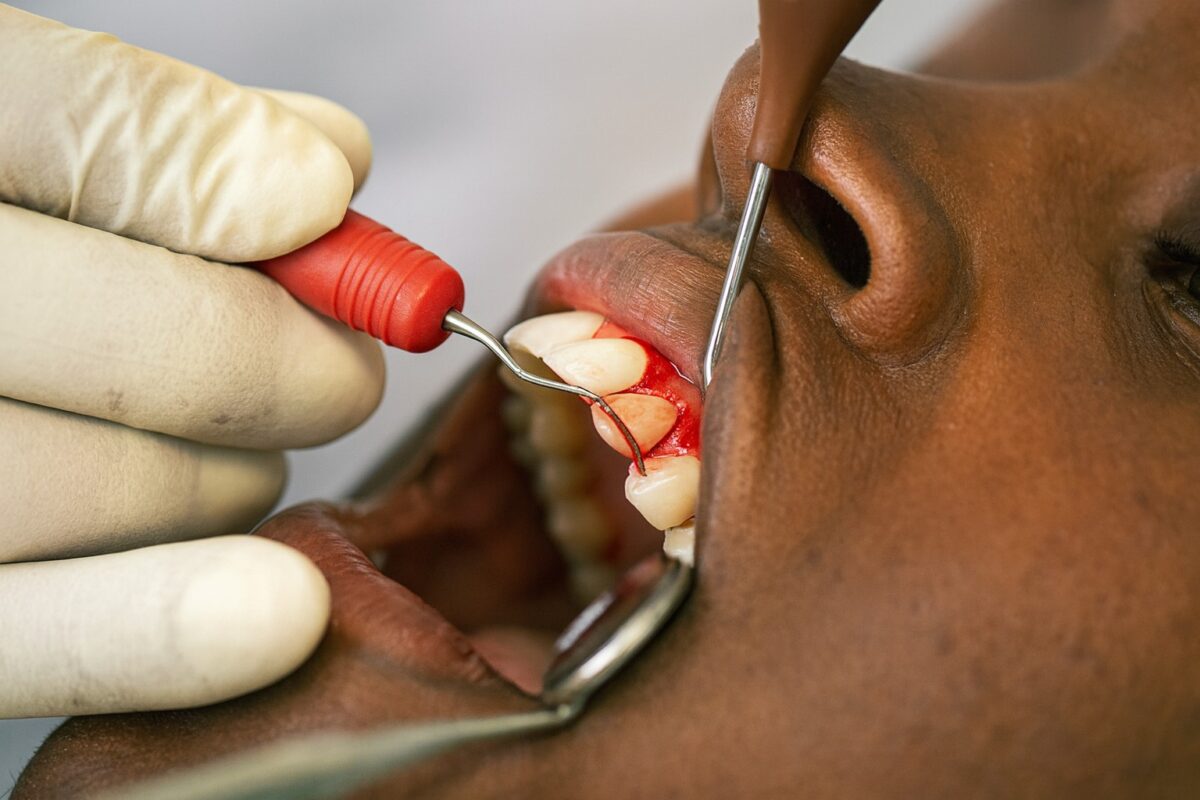

Healthy gums are the foundation of a healthy smile. While most people focus on their teeth, gum health checks are just as important for preventing serious dental problems.
Gum disease often develops silently, meaning many people don’t notice symptoms until it has already progressed. Regular periodontal screening helps dentists detect early signs of gum disease and stop it before it causes lasting damage.
If you’re wondering how often gums should be checked, this guide explains why routine gum screenings matter and how often you should schedule one.
Why Gum Health Checks Are So Important
Your gums support and protect your teeth. When they become inflamed or infected, the condition can progress into gum disease, which is one of the leading causes of tooth loss in adults.
A professional gum health check allows your dentist or hygienist to examine:
- Gum inflammation
- Bleeding during brushing
- Gum recession
- Plaque and tartar buildup
- Early periodontal pockets
Early gum disease detection means treatment can often be simple and non-invasive.
Without regular checks, gum disease may progress to periodontitis, which can damage the bone supporting your teeth.
What Is a Periodontal Screening?
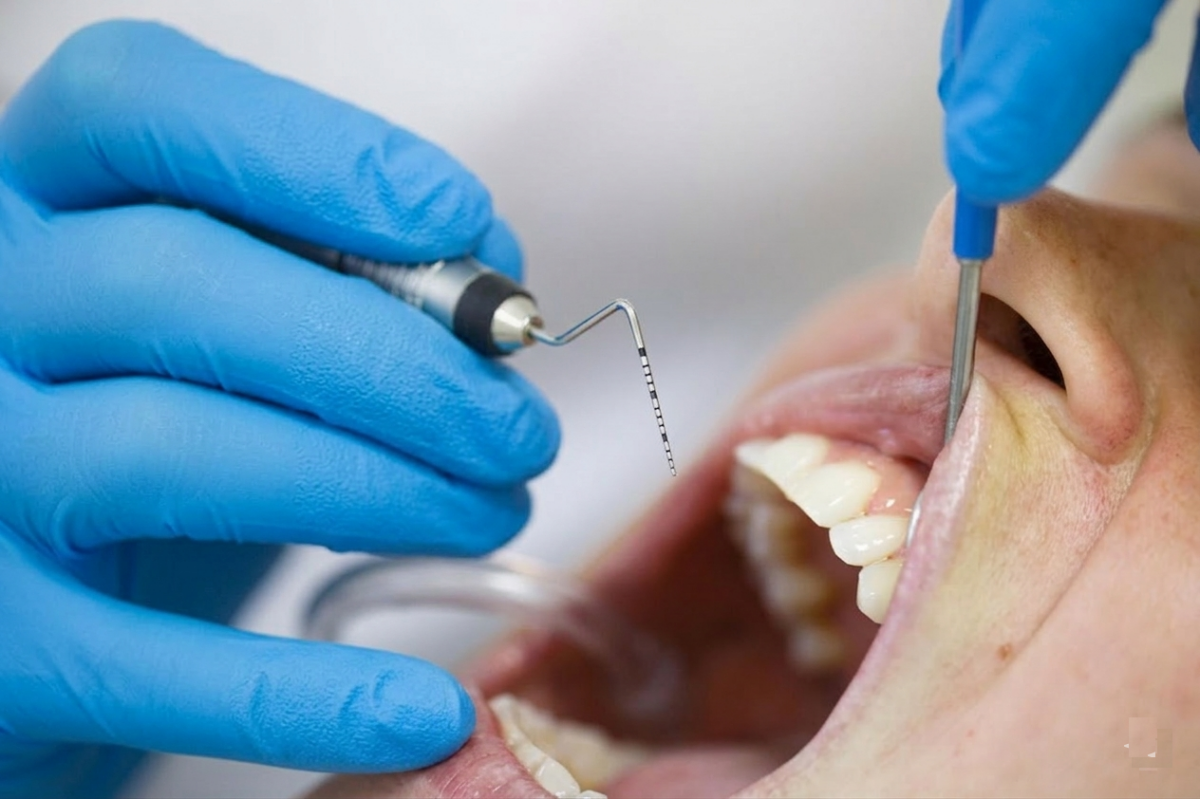
A periodontal screening is a quick and painless assessment of your gum health performed during a dental exam or hygiene appointment.
During the screening, the dentist or hygienist will:
- Measure the space between your gums and teeth (gum pockets)
- Check for bleeding or swelling
- Look for gum recession
- Assess plaque and tartar buildup
- Evaluate bone support for teeth
These measurements help identify whether your gums are healthy or showing signs of disease.
How Often Should You Have a Gum Health Check?
For most people, a gum health check should be done every six months during routine dental visits.
However, some patients may need more frequent periodontal screenings, especially if they are at higher risk for gum disease.
Typical Recommendations
| Patient Type | Recommended Gum Screening |
| Healthy gums | Every 6 months |
| Early gingivitis | Every 3–4 months |
| History of gum disease | Every 3 months |
| Smokers or diabetics | More frequent monitoring |
Regular gum health checks allow dentists to track changes and catch problems early.
Signs You May Need a Gum Check Sooner
Even if you recently had a dental exam, certain symptoms mean you should book a gum check in Hammersmith as soon as possible.
Watch for:
- Bleeding gums when brushing or flossing
- Persistent bad breath
- Red or swollen gums
- Gum recession or longer-looking teeth
- Loose teeth
- Sensitivity near the gumline
These symptoms may indicate early gum disease, which can often be reversed if treated promptly.
The Importance of Early Gum Disease Detection
One of the biggest benefits of regular periodontal screening is early diagnosis.Gum disease typically progresses through stages:
- Healthy gums – Firm, pink, and no bleeding
- Gingivitis – Mild inflammation and bleeding
- Early periodontitis – Gum pockets begin forming
- Advanced periodontitis – Bone loss and tooth mobility
When detected early, gingivitis is reversible with professional cleaning and improved oral hygiene.
Who Is Most at Risk for Gum Disease?
Some people are more likely to develop gum problems and may require more frequent gum health checks.
Risk factors include:
- Smoking
- Diabetes
- Poor oral hygiene
- Genetics
- Hormonal changes
- Certain medications
- Stress
If you fall into one of these categories, your dentist may recommend periodontal assessments more often than routine visits.
How to Maintain Healthy Gums Between Checkups
Regular gum screenings are important, but daily oral care plays a major role in prevention.
To keep your gums healthy:
- Brush twice daily with fluoride toothpaste
- Floss or use interdental brushes every day
- Attend regular hygiene appointments
- Avoid smoking
- Maintain a balanced diet
Professional cleanings remove plaque and tartar that brushing alone cannot eliminate.
Gum Checks in Hammersmith: Protect Your Smile
At Hammersmith Dental Care, we emphasise preventive dentistry and early gum disease detection.
Our experienced team provides thorough periodontal screenings and assessments to help patients maintain long-term gum health.
If it has been more than six months since your last dental visit, booking a gum check in Hammersmith can help prevent small issues from becoming serious problems.
Regular gum health checks are one of the simplest ways to protect both your teeth and overall oral health.
Healthy gums support a healthy smile. Routine periodontal screening helps catch problems early and keeps your mouth in excellent condition.
Schedule your gum health check in Hammersmith today and take a proactive step toward long-term oral health.