

Blog

CLASSIC LIST


gum-disease-1200x800.jpg

December 7, 2025 GuidelinesServices0

Gum disease is one of the most common dental problems in the UK — yet many people don’t realise they have it until it becomes serious. Because gum disease often progresses quietly, recognising the early signs can help you protect your teeth, prevent bone loss, and avoid more complex treatment in the future.

At Hammersmith Dental Care, our periodontal team helps patients spot the warning signs early and get the specialist care they need to keep their gums healthy for life.

What Is Gum Disease?

Gum disease (periodontal disease) happens when plaque bacteria cause inflammation of the gums.
It begins as gingivitis, and if left untreated, can progress to periodontitis, leading to gum recession, bone loss, and even tooth loss.

The sooner gum disease is detected, the easier it is to treat — and the better the long-term outcome for your oral health.

Early Signs of Gum Disease You Should Never Ignore

1- Bleeding Gums

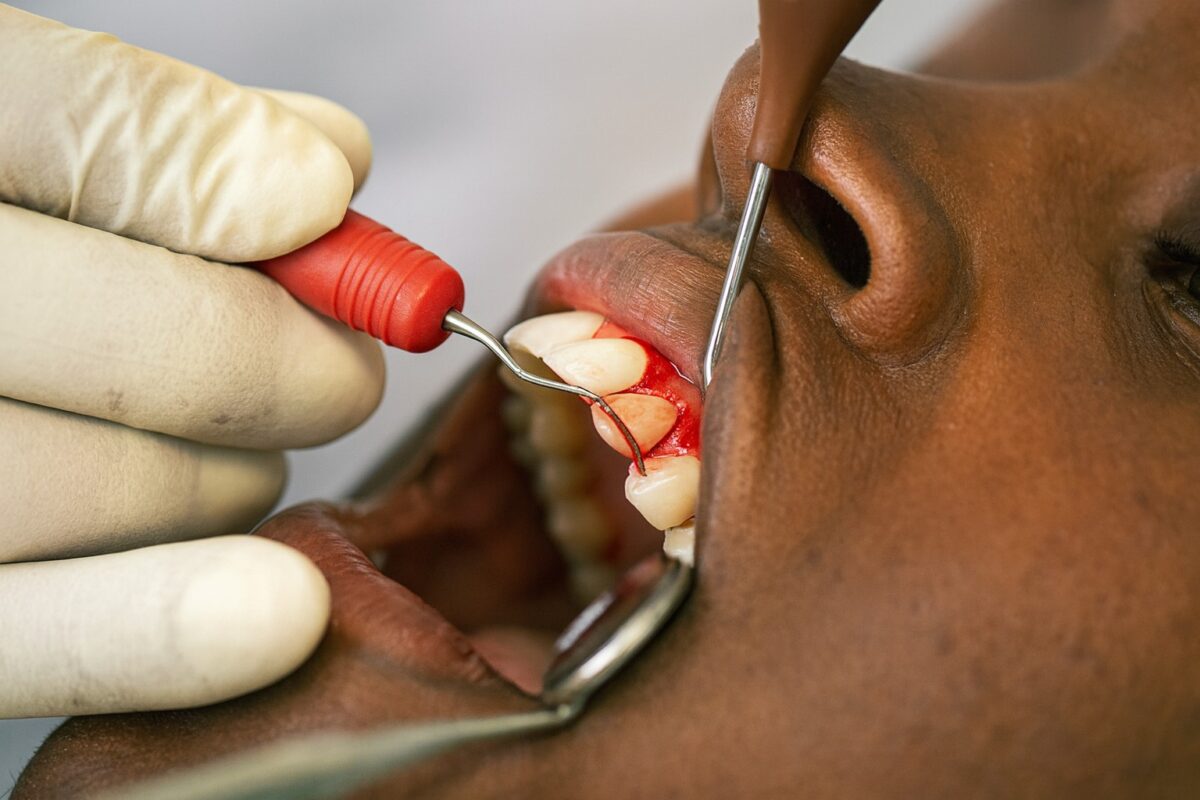
If your gums bleed when brushing, flossing, or eating, it is not normal.
Bleeding is usually the first sign of gum inflammation.

Why it matters:
Bleeding indicates that plaque and bacteria are building up around the gumline, causing irritation and swelling

2- Red, Swollen, or Tender Gums

Healthy gums should be firm and pink.
Redness or puffiness means your immune system is responding to bacteria.

Why it matters:
Swelling is an early indicator of gingivitis and can progress quickly without treatment.

3- Bad Breath That Doesn’t Go Away

Persistent bad breath (halitosis) or an unpleasant taste can be caused by trapped bacteria under the gums.

Why it matters:
Gum infection produces gases that cause odour — a strong sign that harmful bacteria are present.

4- Receding Gums

Your teeth may start to look “longer” as the gums shrink away from the surface.

Why it matters:
Gum recession is often linked to early periodontitis and can expose the roots, causing sensitivity and increasing the risk of tooth loss.

5- Sensitivity to Hot or Cold

When the gums pull back, the root surface becomes exposed, leading to discomfort or sharp sensitivity.

Why it matters:
This is a sign that gum inflammation has already started to damage tissue.


6- Loose Teeth or Changes to Your Bite

In advanced stages, patients may notice movement in their teeth or that their bite feels different.

Why it matters:
This indicates bone loss, which requires urgent periodontal treatment.


 Why Early Treatment Matters

Treating gum disease early prevents:

  • Gum recession
  • Bone loss
  • Tooth mobility
  • Tooth loss
  • Pain and infection
  • The need for surgery

Early diagnosis often means treatment can be non-surgical and more comfortable, such as:

  • Professional deep cleaning (Scaling & Root Planing)
  • Hygiene therapy
  • Targeted periodontal treatment
  • Home-care guidance to support long-term gum health

At Hammersmith Dental Care, our periodontist provides advanced care for all stages of gum disease, ensuring predictable, long-lasting results.

When to See a Periodontist

You should book a periodontal assessment if you notice:

✔ Ongoing bleeding gums
✔ Bad breath despite cleaning
✔ Gum recession
✔ Loose teeth
✔ A family history of gum disease
✔ You smoke or have diabetes (higher risk)

Our specialist-led team offers comprehensive gum assessments using advanced diagnostic tools


bleeding-gum.jpg

November 4, 2025 Guidelines0

If you’ve ever noticed a little blood in the sink after brushing or flossing, you’re not alone. Bleeding gums are one of the most common early signs that your gums may be irritated or inflamed — and it’s your body’s way of saying, “something isn’t quite right.”

The good news? In most cases, it’s easy to fix when caught early. Let’s look at why gums bleed, what it could mean, and how to stop it before it turns into something more serious.


The Most Common Cause: Gingivitis

The number one reason for bleeding gums is gingivitis — the early stage of gum disease.
It happens when plaque (a sticky film of bacteria) builds up along the gumline. When plaque isn’t removed properly, it irritates the gums, causing them to become red, swollen, and prone to bleeding.

Common signs of gingivitis:

  • Gums that bleed during brushing or flossing
  • Puffy, tender gums
  • Bad breath that won’t go away
  • A sour taste in your mouth

The best part? Gingivitis is completely reversible with good oral hygiene and professional cleaning from your dentist or hygienist.

 When Gum Disease Gets Worse: Periodontitis

If gingivitis isn’t treated, it can progress to a more serious form of gum disease called periodontitis.
At this stage, the infection moves deeper and starts to affect the bone and tissues that support your teeth.

Signs of periodontitis:

  • Receding gums (teeth may look longer)
  • Persistent bad breath or bad taste
  • Gums that pull away from your teeth (forming “pockets”)
  • Loose or shifting teeth
  • Pain when chewing

Once gum disease reaches this stage, it can’t be fully reversed — but it can be managed with professional treatment and regular care.


 Other Possible Reasons for Bleeding Gums

While gum disease is the most common cause, other factors can also contribute:

  • Brushing too hard or using a stiff-bristled toothbrush
  • Skipping flossing (causing gums to be tender when you start again)
  • Vitamin C or K deficiency
  • Hormonal changes (such as pregnancy or menopause)
  • Certain medications (especially those that cause dry mouth or thin the blood)
  • Smoking or vaping, which reduces blood flow to the gums
  • Medical conditions like diabetes

If you’re unsure what’s causing your bleeding gums, it’s always safest to have them checked by your dentist.


How to Stop Gums from Bleeding?

The best way to stop bleeding gums is to treat the cause — not the symptom.
Here’s what you can do starting today:

 At Home:

  1. Brush gently twice a day with a soft-bristled toothbrush.
  2. Clean between your teeth daily using floss or interdental brushes.
  3. Rinse with water or an antibacterial mouthwash if recommended by your dentist.
  4. Eat a healthy diet rich in vitamins C and K (fruits, leafy greens, bell peppers).
  5. Quit smoking or vaping — your gums will thank you!

At the Dentist:

  • Book a professional cleaning (scaling and polishing) to remove hardened plaque and tartar.
  • Have your dentist check for gum pockets or early bone loss.
  • Follow any personalised advice for brushing, flossing, or mouthwash use.


Why Gum Health Matters

Healthy gums aren’t just about keeping your teeth in place — they’re vital for your overall health.
Research shows that gum disease has been linked to conditions like heart disease, diabetes, and low-birth-weight babies.
Keeping your gums healthy supports your whole body.


 When to See Your Dentist

You should book an appointment if:

  • Your gums bleed regularly when brushing or flossing
  • You notice swelling, redness, or receding gums
  • You have persistent bad breath or bad taste
  • Your teeth feel loose or painful
  • It’s been over 6 months since your last dental visit

Don’t wait until it hurts — gum problems are easiest to treat before they become painful.


Healthy gums = a healthy smile (and a healthier you).


Get in touch

Contact us now

Please note that fees may vary but will be confirmed at the consultation and a written estimate will be given before treatment commences.


CONTACT

(+44) 020 8741 4777


Contact via Email

enquiries@ hammersmithdentalcare.com


Follow us

Our Activity

Join us on social media to explore innovation and empowerment.


Copyright by MoReel 2025. All rights reserved.