

Blog

CLASSIC LIST


implant-benefit-1200x800.png

February 12, 2026 GuidelinesServices0

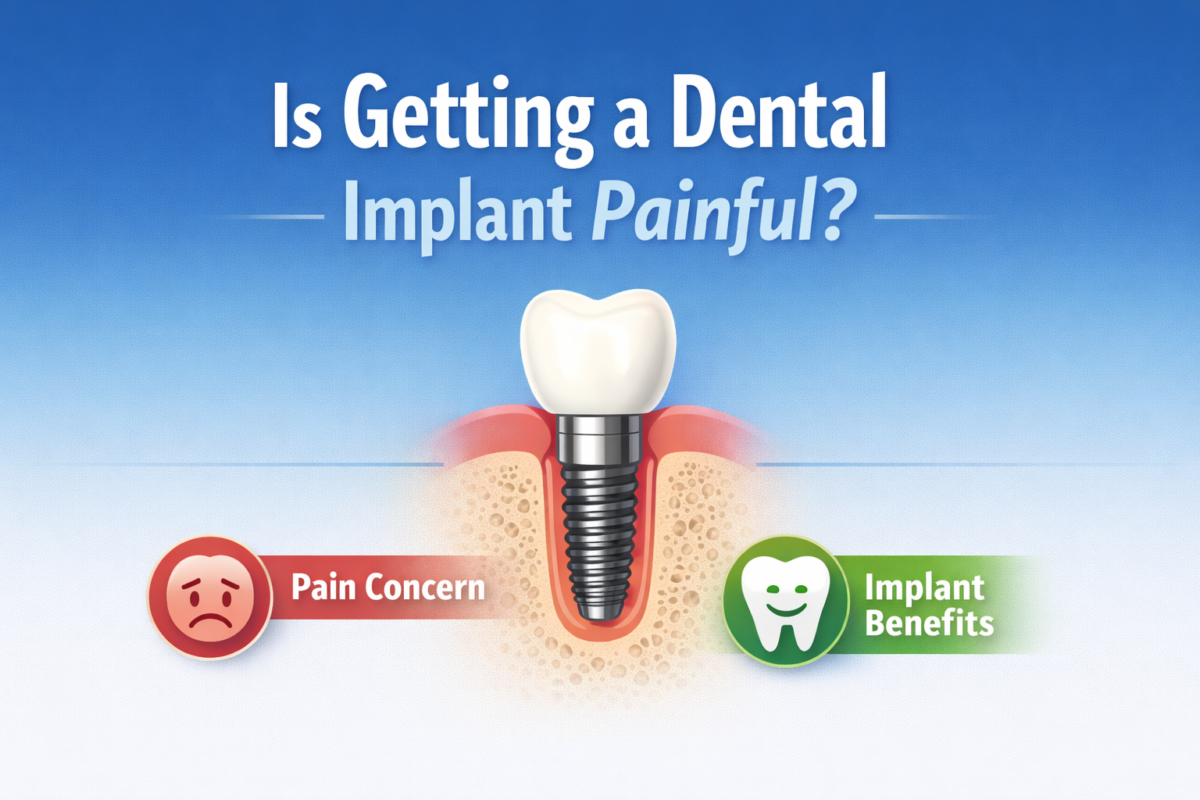
If you’re considering dental implants but feeling nervous about pain, you’re not alone. One of the most common questions patients ask is: “Is getting a dental implant painful?”

The short reassurance?
Most patients say dental implant treatment is far less painful than they expected.

In this guide, we’ll explain exactly what dental implant pain feels like, how long recovery takes, and what you can do to heal comfortably and confidently.

Does Getting a Dental Implant Hurt?

During the dental implant procedure, you should not feel pain. The area is fully numbed with local anaesthetic, similar to what’s used for fillings or tooth extractions.

Many patients are surprised to learn that:

  • Dental implant surgery is often less uncomfortable than having a tooth removed
  • You may feel pressure or vibration, but not sharp pain
  • Anxiety is usually worse than the procedure itself

If you’re particularly nervous, sedation options may also be available to help you relax.

What Does Dental Implant Pain Feel Like Afterwards?

After the anaesthetic wears off, it’s normal to experience mild to moderate discomfort, especially in the first few days.

Common sensations include:

  • Soreness around the implant site
  • Mild swelling of the gums or cheek
  • Slight bruising
  • Tenderness when chewing

This is all part of the normal healing process and is usually well managed with over-the-counter pain relief.

Most patients describe the pain as dull and manageable, not severe.

Dental Implant Recovery Time: What to Expect

First 24–72 Hours

  • Mild swelling and tenderness peak
  • Soft foods recommended
  • Pain relief as advised by your dentist

1–2 Weeks

  • Gums begin to heal
  • Stitches (if used) may dissolve or be removed
  • Discomfort significantly reduces

3–6 Months (Healing Phase)

  • The implant integrates with the jawbone (osseointegration)
  • No ongoing pain
  • Implant becomes stable and strong

 Implant recovery time varies, but most patients return to normal routines within a few days.

How Painful Is Dental Implant Healing Compared to Other Treatments?

Many patients report that dental implant pain is:

  • Less than wisdom tooth removal
  • Comparable to a routine extraction
  • Easier than expected overall

Because implants don’t involve neighbouring teeth, recovery is often smoother than bridges or more invasive dental procedures.

Dental Implant Aftercare Tips to Reduce Pain

Following proper aftercare plays a huge role in keeping discomfort minimal and healing on track.

Do:

✔ Take prescribed or recommended pain relief
✔ Apply a cold compress for swelling
✔ Eat soft foods (soups, yoghurt, mashed vegetables)
✔ Keep the area clean with gentle brushing

Avoid:

✖ Smoking (this delays healing)
✖ Hard, crunchy, or sticky foods
✖ Touching the implant site
✖ Strenuous exercise for a few days

Good aftercare = faster healing + less pain.

When Should You Be Concerned About Pain?

While mild discomfort is normal, you should contact your dentist if you experience:

  • Severe or worsening pain after several days
  • Increasing swelling or redness
  • Fever or signs of infection
  • Pain when biting months after placement

These issues are uncommon but should always be checked promptly.

Are Dental Implants Worth It Despite the Fear of Pain?

For most patients, the answer is yes.

Dental implants:

  • Look and feel like natural teeth
  • Restore chewing comfort and confidence
  • Prevent bone loss in the jaw
  • Offer a long-term solution compared to dentures or bridges

And importantly — the pain is temporary, the benefits are long-lasting.

Thinking About Dental Implants?

If fear of pain has been holding you back, a personalised consultation can make all the difference. Understanding the process, recovery time, and pain management options helps patients feel confident and in control.

 Book your consultation with our implant dentist to discuss your concerns and find out whether dental implants are right for you.
implant-procedure-1200x800.png

January 31, 2026 GuidelinesServices0

If you’ve been told you need a dental implant, it’s completely normal to feel a little nervous. One of the most common concerns we hear at Hammersmith Dental Care is:

“What actually happens during a dental implant procedure?”

The good news? Modern implant dentistry is carefully planned, highly predictable, and far more comfortable than many patients expect.

This step-by-step guide explains the dental implant procedure, what you’ll experience at each stage, and how we ensure patients across Hammersmith and Fulham feel informed, relaxed, and confident throughout the process.


What Is a Dental Implant?

A dental implant is a small titanium post that replaces the root of a missing tooth. It is placed into the jawbone and supports a natural-looking crown, bridge, or denture.

Dental implants are considered the gold standard for replacing missing teeth because they:

  • Look and feel like natural teeth
  • Protect the jawbone from shrinkage
  • Do not rely on neighbouring teeth for support
  • Can last many years with proper care


Step 1: Initial Consultation & Assessment

Every successful dental implant procedure starts with careful planning.

During your consultation at Hammersmith Dental Care, your implant dentist will:

  • Assess your oral and general health
  • Take detailed digital X-rays or 3D scans
  • Check bone quality and gum health
  • Discuss your goals and concerns
  • Explain whether additional treatments (such as bone grafting) are needed

This stage is crucial — it ensures your implant surgery process is safe, personalised, and predictable.


Step 2: Preparing for Implant Surgery

If your mouth is healthy and ready, we move to the preparation stage.

This may include:

  • Treating gum disease if present
  • Removing a failing tooth (if required)
  • Planning bone grafting if bone volume is insufficient

Many patients are surprised to learn that preparation is often minor and straightforward.


Step 3: Implant Placement (The Surgery)

This is the part most patients worry about — but it’s usually the easiest.

What happens during implant surgery?

  • The area is fully numbed using local anaesthetic
  • The implant is gently placed into the jawbone
  • The procedure is precise and controlled
  • Most patients feel pressure, not pain

In fact, many people say implant placement is more comfortable than a tooth extraction.

 Time:
Usually 30–60 minutes per implant


Step 4: Healing & Osseointegration

After placement, the implant needs time to bond with the jawbone — a process called osseointegration.

What to expect:

  • Mild swelling or tenderness for a few days
  • Normal daily activities resumed quickly
  • The implant gradually becomes part of the bone

 Healing time:
Typically 3–6 months, depending on individual healing and bone quality.

This stage is key to creating a strong, long-lasting foundation for your new tooth.


Step 5: Abutment & Final Tooth Placement

Once healing is complete:

  1. A small connector (abutment) is attached to the implant
  2. Custom impressions are taken
  3. Your final crown is carefully designed to match your natural teeth
  4. The crown is securely fitted

The result is a tooth that looks, feels, and functions just like a natural one.


Is the Dental Implant Procedure Painful?

This is one of the biggest fears — and one of the biggest misconceptions.

Most patients report:

  • Little to no pain during surgery
  • Mild discomfort afterwards, managed with standard pain relief
  • A smoother recovery than expected

Your comfort is always a priority at Hammersmith Dental Care, and we take time to explain each step so there are no surprises.


How Long Does the Full Implant Process Take?

The full implant surgery process varies depending on your individual needs:

  • Simple cases: around 3–4 months
  • More complex cases: up to 6–9 months

While it takes time, the result is a stable, long-term solution that protects both your smile and jawbone.


Why Choose Dental Implants?

Dental implants are ideal if you want:

  • A fixed, non-removable solution
  • A natural appearance
  • Improved chewing and speech
  • Long-term tooth replacement
  • To avoid dentures or bridges

Patients across Hammersmith and Fulham choose implants because they restore confidence as well as function.


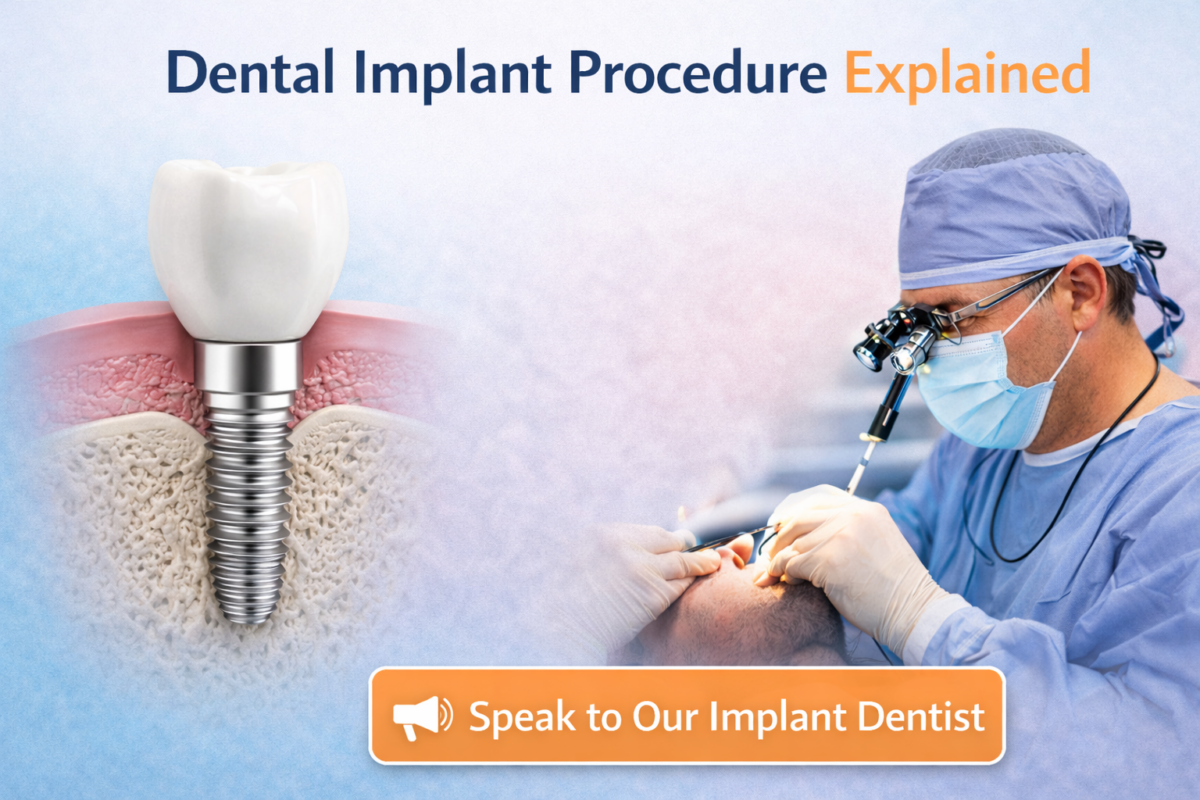
Speak to Our Implant Dentist

If you’re considering dental implants but still have questions or concerns, the best next step is a personalised consultation.

At Hammersmith Dental Care, we believe informed patients feel calmer, more confident, and more in control of their treatment.

 Speak to our implant dentist today to find out whether dental implants are right for you.


Implants-1200x751.jpg

July 19, 2023 Services

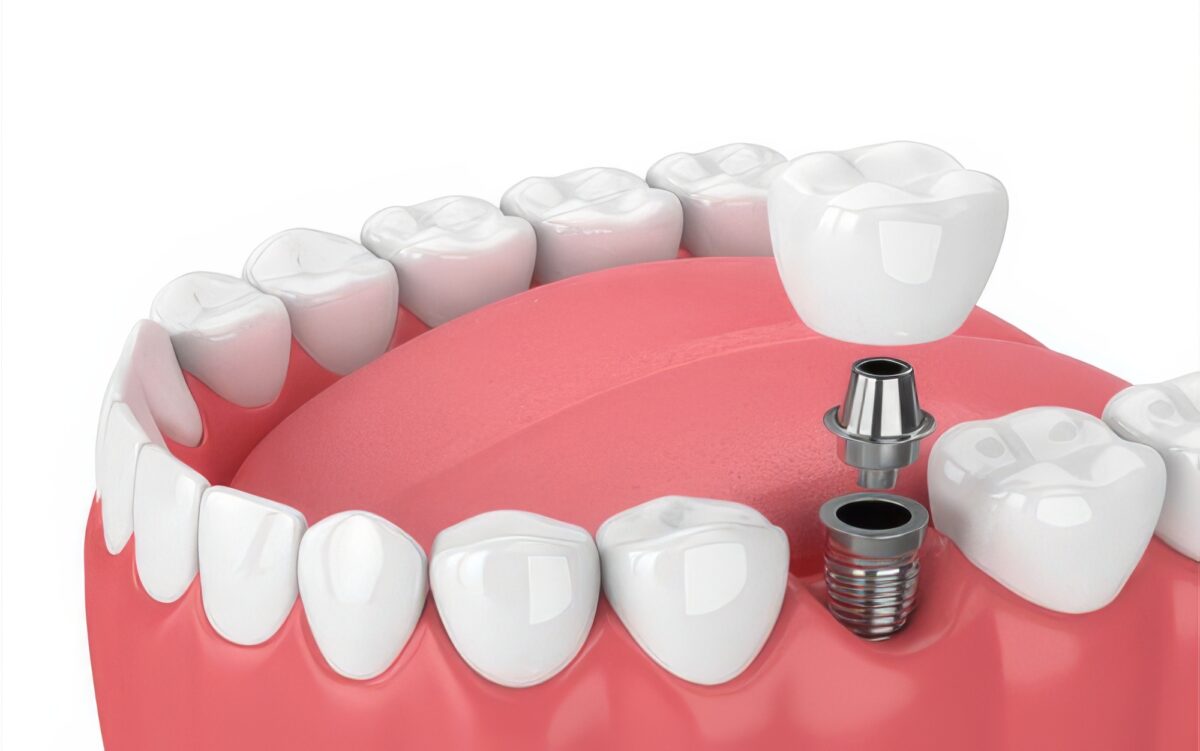
A dental implant is a metal anchor, which acts as a substitute to a natural tooth root. It is surgically placed into the jawbone and small posts (abutments) are then attached to the implants which protrude through the gums. These abutments provide stable anchors for artificial replacement teeth.


Get in touch

Contact us now

Please note that fees may vary but will be confirmed at the consultation and a written estimate will be given before treatment commences.


CONTACT

(+44) 020 8741 4777


Contact via Email

enquiries@ hammersmithdentalcare.com


Follow us

Our Activity

Join us on social media to explore innovation and empowerment.


Copyright by MoReel 2025. All rights reserved.