

Blog

CLASSIC LIST


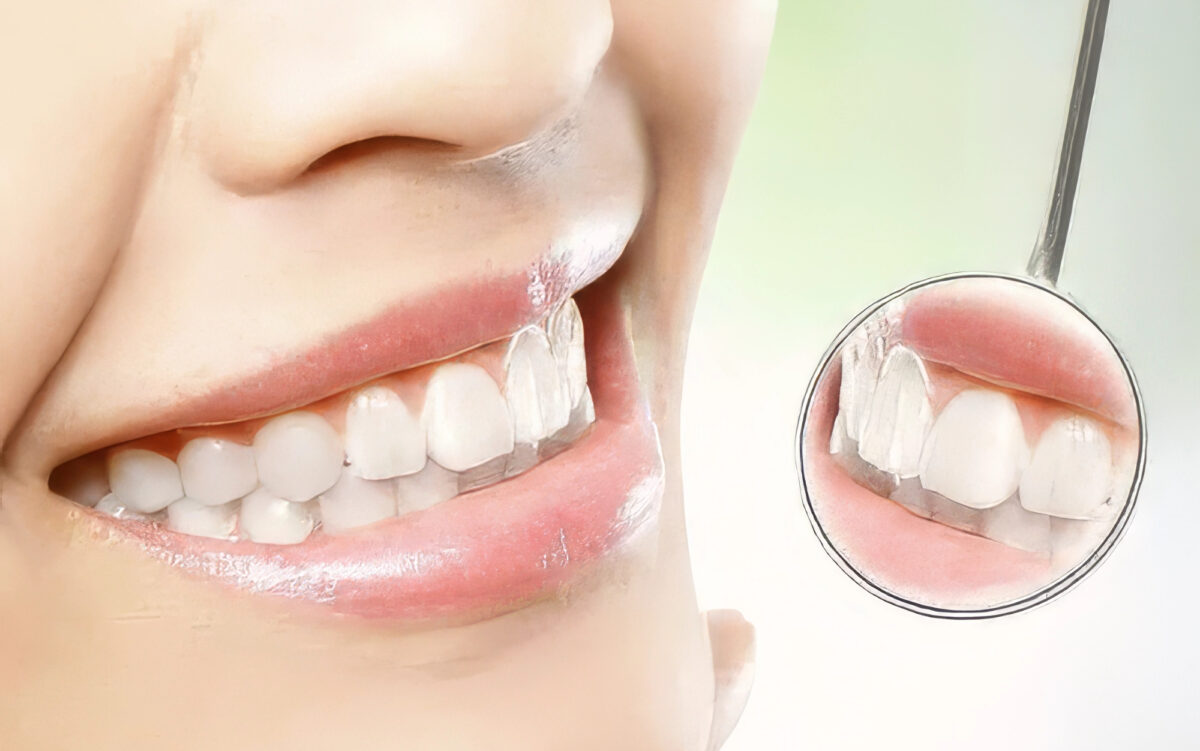
tooth-colored-fillings-1200x751.jpg

June 30, 2024 Services

Veneers vs. Composite Bondings, Which is Best for Your Smile?

When it comes to enhancing the appearance of your teeth, veneers vs. composite bondings are two popular cosmetic dental procedures. Both options aim to improve your smile, but they differ significantly in terms of materials, purposes, durability, preparation, and cost. Understanding these differences can help you make an informed decision about which treatment is best for your needs.

Key Features of Veneers vs. Composite Bonding

Material
Composite Bonding: Composite bonding involves applying a tooth-colored resin material directly onto the tooth, similar to the material used for tooth-colored fillings. This resin is sculpted and polished to blend seamlessly with your natural teeth.

Veneers: Veneers are thin, custom-made shells typically made of porcelain or ceramic. They are crafted in a dental laboratory and then bonded to the front surface of your teeth, providing a natural and aesthetically pleasing appearance.

Purpose

Composite Bonding: Composite bonding is versatile and can be used to repair chipped or cracked teeth, close gaps, alter the shape of teeth, or improve the appearance of discolored teeth. It’s ideal for addressing minor cosmetic issues.

Veneers: Veneers are primarily used for cosmetic enhancements to correct stained, misaligned, uneven, or worn-down teeth. They can significantly alter the shape, size, and color of your teeth, providing a more dramatic transformation.

Durability

Composite Bonding: While composite bonding is durable, it is more prone to staining and may not last as long as veneers. Factors such as exposure to coffee, tea, or tobacco can affect its longevity.

Veneers: Veneers are highly stain-resistant and generally more durable than composite bonding. With proper care, veneers can last many years, making them a long-term solution for a perfect smile.

Preparation

Composite Bonding: Composite bonding requires minimal tooth preparation. The dentist will lightly roughen the tooth surface and apply the bonding material directly.

Veneers: The preparation for veneers involves removing a small amount of tooth enamel (about 0.5 mm) to create space for the veneer. This process is a permanent alteration to the tooth structure.

Cost of Veneers vs. Composite Bonding

Composite Bonding: Composite bonding is typically more affordable than veneers. It offers a quicker, minimally invasive, and cost-effective solution for minor cosmetic concerns.

Veneers: Veneers are more expensive due to the custom fabrication and materials used. Additionally, the enamel removal process makes them suitable for specific cases rather than routine application.

Which Option is Right for You?

In summary, composite bonding is a versatile option for minor cosmetic improvements that require minimal tooth preparation and are more budget-friendly. Veneers, on the other hand, provide a more dramatic transformation, are highly durable and stain-resistant, but involve irreversible enamel removal and are typically more costly.

The choice between composite bonding and veneers depends on your specific cosmetic goals, budget, and the dentist’s recommendation based on your individual dental condition. Consulting with a professional can help you determine the best course of action for achieving the smile you desire.

Conclusion

Choosing between veneers and composite bonding can be a significant decision in your dental care journey. Each option offers unique benefits tailored to different needs and preferences. At [Your Dental Clinic Name], we are committed to helping you make the best choice for your smile. Schedule a consultation with us today to explore your options and embark on your path to a perfect smile!

For more information or to book an appointment, please contact [Your Dental Clinic Name]. We are here to help you achieve the smile you deserve.
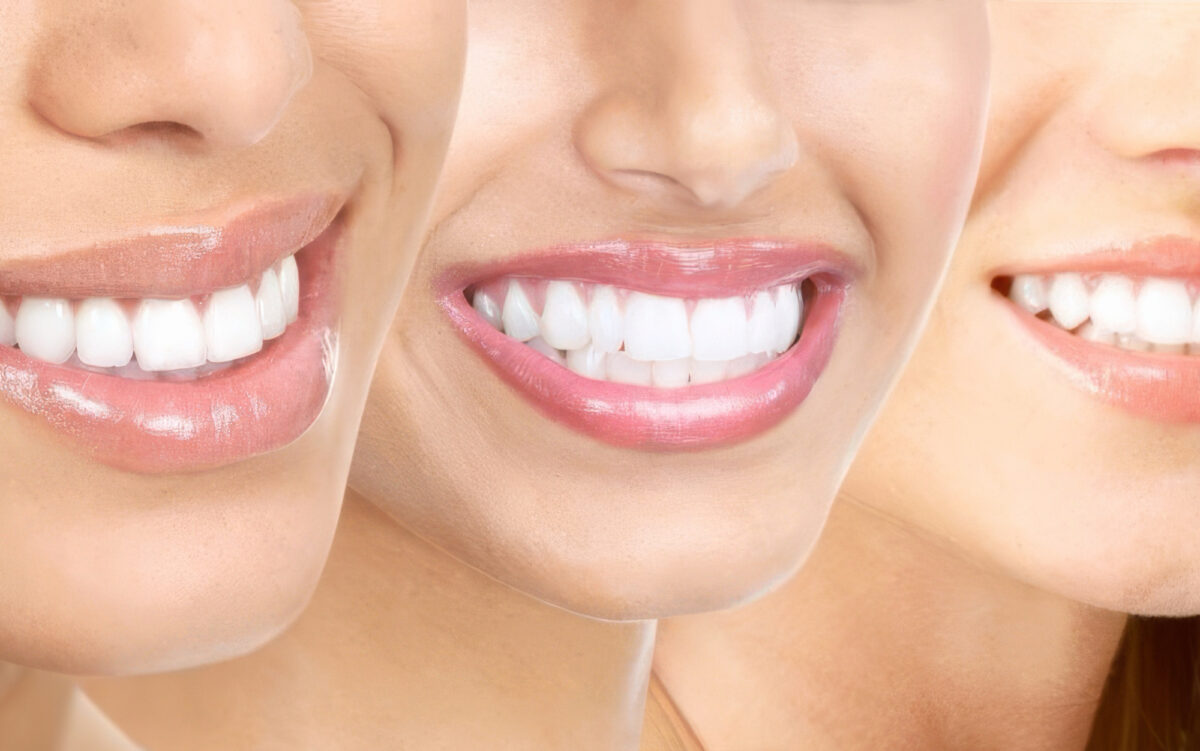

smile-design-1200x751.jpg

June 18, 2024 Guidelines

An Excellent smile design gives you the power to express of your emotions and significantly influences how others perceive you. Despite their small size, your teeth play a crucial role in your confidence and can greatly affect your overall sense of happiness. At Hammersmith Dental Care, our expert smile design dentist ensures that you achieve a harmonious and aesthetically pleasing smile. In this blog, we delve into the advanced techniques our expert dentists use to create stunning smiles.

Understanding Smile Design

The Principles of Smile Design

Creating a beautiful smile involves more than just making your teeth look good. It’s about taking a comprehensive approach to ensure that all the elements of your mouth work together seamlessly. This includes not only your teeth but also the surrounding tissues, muscles, and bones. At Hammersmith Dental Care, we follow a systematic process to evaluate, diagnose, and treat aesthetic dental issues. Our goal is to create a smile that is both attractive and functional.

Components of Smile Design

A well-designed smile involves considering both the facial and dental aspects. Let’s break down these components to understand how they contribute to a stunning smile.

Facial Composition

What is Facial Composition?

Facial composition refers to the way your facial features align and work together to create a balanced and symmetrical appearance. This is important because your smile doesn’t exist in isolation; it’s part of your overall facial expression.

Key Elements of Facial Composition in Smile Design

  1. Interpupillary Line: This is the imaginary line that runs between the centers of your pupils. For a balanced smile, this line should be parallel to the line of your teeth.
  2. Lips: Your lips frame your smile. The shape and position of your lips play a crucial role in how your smile is perceived. Any significant misalignment should be addressed to enhance the overall smile design.

Dental Composition

What is Dental Composition?

Dental composition focuses specifically on your teeth and gums. It involves ensuring that your teeth are the right size, shape, and position, and that your gums are healthy and well-contoured.

Key Elements of Dental Composition in Smile Design

  1. Tooth Components:
    • Dental Midline: The imaginary line that runs between your two upper front teeth and should align with the center of your face.
    • Incisal Lengths: The lengths of the visible parts of your teeth when you smile.
    • Tooth Dimensions: The size and shape of each tooth.
    • Zenith Points: The highest points of your gums above each tooth.
    • Axial Inclinations: The angles at which your teeth are positioned.
    • Interdental Contact Area: The areas where your teeth touch each other.
    • Incisal Embrasure: The small spaces between the edges of your teeth.
    • Considerations of Sex, Personality, and Age: Customizing the smile design to suit your unique characteristics.
    • Symmetry and Balance: Ensuring both sides of your smile are even and harmonious.
  1. Soft Tissue Components:
    • Gingival Health: Healthy gums that are free from disease.
    • Gingival Levels and Harmony: Even and well-shaped gum lines.
    • Interdental Embrasure: Small gaps between your teeth at the gum line.
    • Smile Line: The curve of your teeth when you smile.

Guidelines for Proportions

To achieve the perfect smile, dentists use several guidelines to ensure your teeth are proportionate and aesthetically pleasing. These include:

  • Golden Proportion: A mathematical ratio often found in nature that helps create visually appealing proportions.
  • Recurring Aesthetic Dental Proportions: Ensuring that each tooth fits harmoniously within the smile.
  • M Proportions and Chu’s Aesthetic Gauges: Tools and measurements that help in designing a balanced smile.

The Smile Design Process at Hammersmith Dental Care

Comprehensive Evaluation

At Hammersmith Dental Care, your smile makeover journey starts with a thorough dental checkup. We assess your teeth, gums, and overall oral health to ensure you’re a good candidate for cosmetic treatments.

Custom Treatment Plan

Based on your evaluation, we create a personalized treatment plan that may include procedures like aligners for straightening teeth, teeth whitening, dental crowns, or porcelain veneers to cover imperfections. We combine these treatments to enhance your oral health and create a beautiful, symmetrical smile.

Benefits of a Smile Design

Improved Oral Health

A smile makeover can do more than just improve your appearance. By addressing issues like misaligned teeth and missing teeth, we can enhance your overall oral health, reduce the risk of decay, and improve your bite.

Enhanced Aesthetics

Through various cosmetic procedures, we can significantly enhance the appearance of your smile. This includes whitening your teeth, correcting their shape and alignment, and ensuring your gums are healthy and well-contoured.

Long-term Benefits

Our aim is to provide results that are not only beautiful but also long-lasting. By using advanced techniques and high-quality materials, we ensure your new smile is durable and easy to maintain.

Conclusion

Creating a beautiful, functional smile requires a comprehensive and personalized approach. At Hammersmith Dental Care, we combine our expertise in restorative and cosmetic dentistry to help you achieve the smile of your dreams. Contact us today to book your appointment and start your journey to a stunning smile.

For more detailed information on the principles of smile design, visit this article.


Get in touch

Contact us now

Please note that fees may vary but will be confirmed at the consultation and a written estimate will be given before treatment commences.


CONTACT

(+44) 020 8741 4777


Contact via Email

enquiries@ hammersmithdentalcare.com


Follow us

Our Activity

Join us on social media to explore innovation and empowerment.


Copyright by MoReel 2025. All rights reserved.