

Bone Grafting and Sinus Lifts Explained for Dental Implant Patients
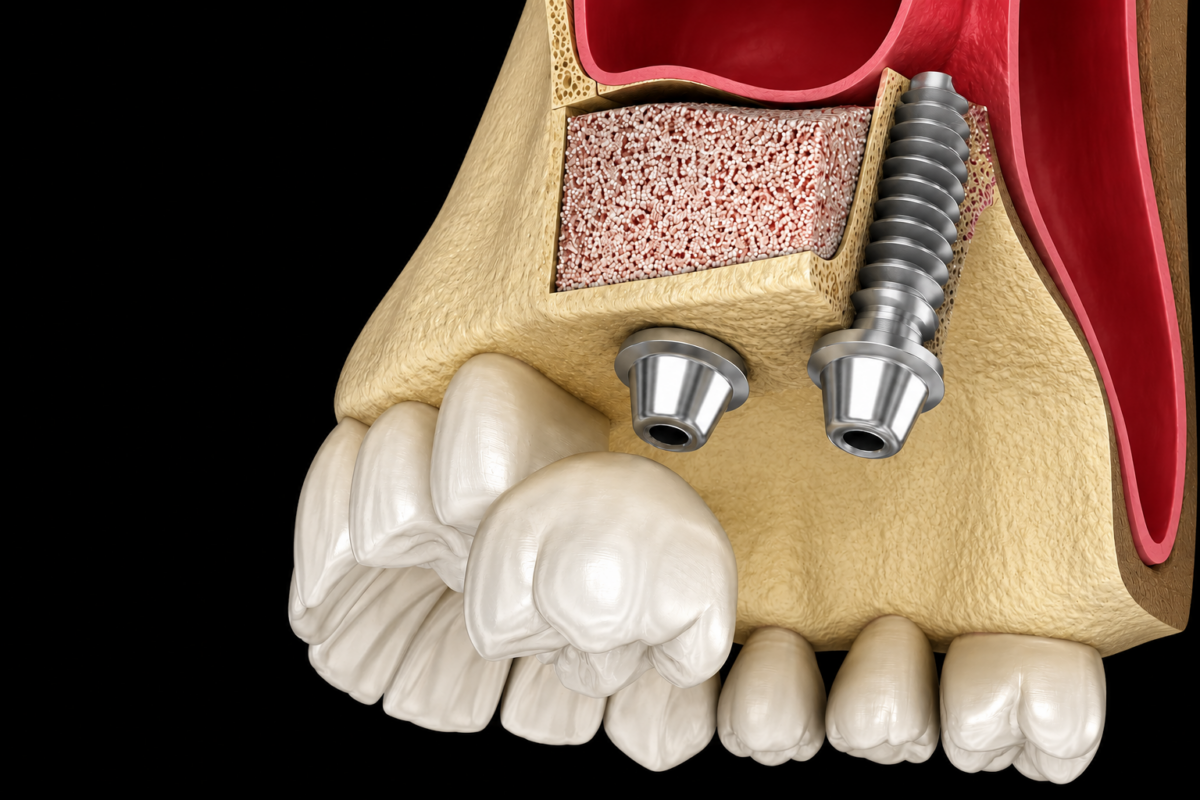
Missing teeth can lead to more than cosmetic concerns. Over time, the jawbone naturally shrinks when teeth are lost, making it difficult to place dental implants successfully. Fortunately, modern procedures such as bone graft dental implant treatment and sinus lift surgery can rebuild lost bone and prepare the mouth for long-lasting dental implants.
At Hammersmith Dental Care, we help patients restore their smiles with advanced implant dentistry and personalised treatment planning.
Why Bone Is Important for Dental Implants
Dental implants are designed to replace missing tooth roots. To remain stable, implants must be securely anchored into healthy jawbone. When there is insufficient bone volume or density, the implant may not integrate properly.
Bone loss commonly occurs because of:
- Missing teeth
- Gum disease
- Dental infections
- Facial trauma
- Long-term denture use
- Natural bone shrinkage over time
Before recommending implants, your dentist will carry out a detailed examination using digital imaging and 3D scans to evaluate bone levels.
What Is a Bone Graft for Dental Implants?
A bone graft dental implant procedure rebuilds areas of weakened or lost jawbone. Bone grafting helps create a stronger and more stable foundation for dental implants.
During the procedure, bone graft material is placed into the affected area. Over time, the body naturally integrates the material and generates new bone tissue.
Types of Bone Grafts Used in Implant Dentistry
At Hammersmith Dental Care, different grafting materials may be recommended depending on the patient’s needs:
Autograft
Bone taken from the patient’s own body.
Allograft
Processed donor bone material.
Xenograft
Bone graft material sourced from animal tissue.
Synthetic Bone Grafts
Artificial biocompatible materials designed to stimulate bone growth.
When Is Bone Grafting Needed?
Bone grafting may be recommended if:
- The jawbone is too thin for implants
- Bone loss has occurred after tooth extraction
- Gum disease has damaged the jawbone
- The upper jaw lacks sufficient bone height
- Immediate implant placement is not possible
In some cases, minor grafting can be completed during implant surgery. Larger grafts may require several months of healing before implants are placed.
What Is Sinus Lift Surgery?
Sinus lift surgery is a specialised bone grafting procedure used in the upper back jaw. It is commonly required when patients do not have enough bone beneath the sinus cavity to support implants.
The procedure gently lifts the sinus membrane and adds bone graft material to increase bone height.
This treatment is especially common for patients missing upper molars or premolars.
Why Patients Need Sinus Lift Surgery
A sinus lift may be recommended when:
- Bone loss has occurred in the upper jaw
- The sinus cavity is too close to the implant site
- Teeth have been missing for many years
- The upper jaw lacks sufficient density for implants
Without enough bone, implants placed in the upper jaw may fail or interfere with the sinus cavity.
How Sinus Lift Surgery Works
The sinus lift procedure generally involves:
- Creating a small opening in the upper jaw
- Carefully lifting the sinus membrane
- Adding bone graft material beneath the sinus
- Closing the area to allow healing
Over several months, new bone develops, creating a secure foundation for implants.
Recovery After Bone Grafting or Sinus Lift Surgery
Recovery is usually straightforward, although healing times vary depending on the extent of treatment.
Patients are typically advised to:
- Avoid smoking
- Eat soft foods temporarily
- Maintain good oral hygiene
- Avoid blowing the nose after sinus lift surgery
- Attend follow-up appointments
Most patients experience only mild swelling or discomfort, which can be managed with medication.
Benefits of Bone Grafting Before Dental Implants
Bone grafting and sinus lift surgery provide several important advantages:
- Improve dental implant stability
- Restore lost jawbone volume
- Support long-term implant success
- Preserve facial structure
- Allow more patients to qualify for implants
These procedures have transformed implant dentistry, making treatment possible for patients who were once unsuitable candidates.
Why Choose Hammersmith Dental Care for Dental Implants?
At Hammersmith Dental Care, we provide comprehensive implant consultations, advanced diagnostics, and personalised treatment plans tailored to each patient.
Our experienced dental team focuses on:
- Modern implant techniques
- Advanced digital imaging
- Patient comfort and safety
- Long-term implant success
- Clear and transparent treatment planning
We are committed to helping patients regain confidence in their smiles with high-quality restorative dentistry.
Book a Consultation
If you have been told you lack enough bone for dental implants, treatments such as a bone graft dental implant procedure or sinus lift surgery may still make implants possible.
Contact Hammersmith Dental Care today to arrange a consultation and explore your options for restoring your smile with dental implants.