

Smoking, Diabetes and Dental Implants: Should You Be Worried?
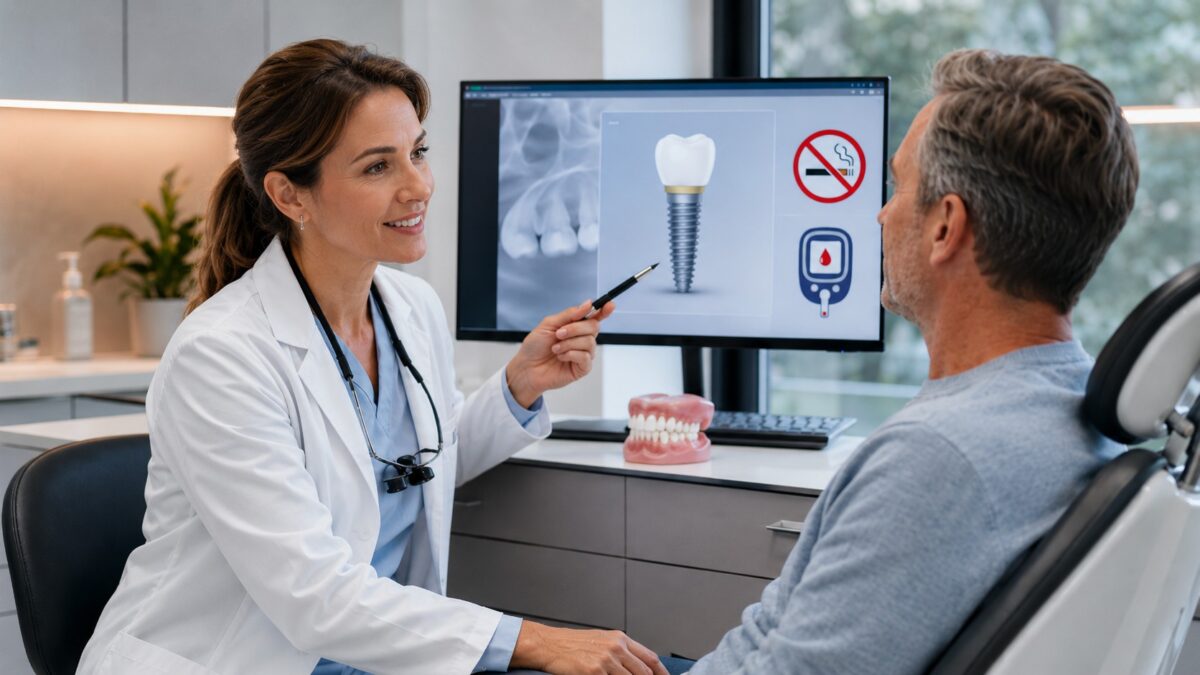
Dental implants are one of the most reliable ways to replace missing teeth, but some medical and lifestyle factors can affect healing, gum health and long-term implant success.
Two of the most common concerns patients have are smoking and dental implants and whether diabetes implants are safe or predictable.
The reassuring answer is: smoking or diabetes does not always mean you cannot have dental implants. However, these factors do need careful assessment, planning and ongoing maintenance.
At Hammersmith Dental Care, we offer a detailed medical implant review for patients with risk factors such as smoking, diabetes, gum disease, bone loss or complex medical histories.
Why Smoking Matters for Dental Implants
Smoking can affect dental implant treatment in several ways. It may reduce blood flow to the gums, slow healing after surgery and increase the risk of infection around the implant.
Smoking is also linked with gum disease and peri-implant disease, which is inflammation and bone loss around dental implants. Public Health England’s evidence-based oral health guidance lists smoking, diabetes, poor oral hygiene, previous periodontitis and lack of supportive care as risk factors for peri-implant disease.
This does not mean every smoker will lose an implant. It means your dentist needs to assess your risk carefully and help you reduce that risk before, during and after treatment.
Smoking and Dental Implants: Can Smokers Still Have Implants?
Yes, many smokers can still have dental implants, but treatment may involve extra precautions.
Before recommending implant surgery, your dentist may assess:
- How many cigarettes you smoke per day
- How long you have smoked
- Your gum health
- Your oral hygiene
- Your bone levels
- Whether you have signs of active gum disease
- Whether you can stop or reduce smoking around the time of surgery
Stopping smoking before and after implant surgery can significantly improve healing conditions. Even a temporary break from smoking may be helpful, but long-term quitting offers the best benefit for your gums, implants and general health.
The NHS also advises that not smoking supports healthy teeth, gums and mouth health as part of a healthy lifestyle.
How Diabetes Can Affect Dental Implants
Diabetes can affect the body’s ability to heal and fight infection. This is particularly important in dental implant treatment because implants need healthy gum and bone support.
Diabetes UK explains that diabetes can affect the teeth and gums, and that keeping the mouth, teeth and gums healthy is an important part of diabetes management.
For dental implants, the key issue is usually how well diabetes is controlled.
Well-controlled diabetes is generally associated with better healing and lower risk. Poorly controlled diabetes may increase the risk of delayed healing, gum infection, peri-implantitis and implant failure.
A systematic review found that dental implants in people with diabetes had a higher risk of failure compared with people without diabetes, although outcomes vary depending on diabetic control, oral health and maintenance.
Diabetes Implants: Is It Safe to Have Implants with Diabetes?
In many cases, yes. Patients with well-controlled diabetes can often be suitable candidates for dental implants.
Before treatment, your dentist may ask about:
- Your type of diabetes
- Your most recent HbA1c result
- Your medication
- Your healing history
- Your gum health
- Your oral hygiene routine
- Any history of infections
- Your medical stability
HbA1c is an important marker because it gives an indication of longer-term blood sugar control. The Scottish Dental Clinical Effectiveness Programme notes that HbA1c levels between 48 and 58 mmol/mol, or 6.5–7.5%, indicate good diabetic control, while levels above this may be linked with increased risk of diabetes-related complications.
Your dentist may work with your GP, diabetes nurse or specialist if more medical information is needed before implant surgery.
What Happens During a Medical Implant Review?
A medical implant review is designed to check whether dental implants are suitable and safe for you.
At Hammersmith Dental Care, this may include:
- Medical history review
We look at diabetes, smoking, medications, heart conditions, immune conditions and other health factors. - Gum health assessment
Healthy gums are essential for implant success. If gum disease is present, it should usually be treated before implant placement. - Bone assessment
We check whether there is enough bone to support an implant. In some cases, bone grafting may be needed. - Oral hygiene review
Daily cleaning and regular maintenance are vital for long-term implant health. - Risk discussion
We explain your individual risk clearly, without pressure or judgement. - Personalised treatment plan
You receive advice based on your mouth, health, goals and lifestyle.
Why Gum Health Is So Important Before Implants
Dental implants are placed into the jawbone, but they rely on healthy surrounding gum and bone to remain stable.
If you have untreated gum disease, your risk of implant complications may be higher. This is especially relevant for patients who smoke, have diabetes or have previously lost teeth due to periodontitis.
Good implant planning often begins with periodontal care. That may include:
- Gum disease screening
- Professional hygiene treatment
- Deep cleaning if needed
- Smoking cessation advice
- Diabetes control review
- Maintenance planning after implant placement
This helps create a healthier foundation for implant treatment.
Can Implant Risks Be Reduced?
Yes. Many implant risks can be reduced with the right preparation and maintenance.
Helpful steps include:
- Stop or reduce smoking before implant surgery
- Improve gum health before treatment
- Keep diabetes well controlled
- Brush twice daily with fluoride toothpaste
- Clean between teeth or implants daily
- Attend regular hygiene and implant maintenance visits
- Treat bleeding gums early
- Follow all aftercare advice after implant surgery
Dental implants are not “fit and forget”. They need regular professional monitoring, especially in patients with higher risk factors.
Signs You Should Book an Implant Review
You should book a medical implant review if you are considering implants and:
- You smoke or vape
- You have type 1 or type 2 diabetes
- You have bleeding gums
- You have loose teeth
- You have had gum disease in the past
- You have been told you have bone loss
- You have had failed implants before
- You are worried implants may not be suitable for you
- You take regular medication
- You want a second opinion before implant treatment
A review does not commit you to treatment. It gives you clarity, options and a safer starting point.
Dental Implants in Hammersmith for Patients with Medical Risk Factors
At Hammersmith Dental Care, we understand that many patients feel anxious about being told they are “not suitable” for implants.
Our approach is different. We look carefully at your individual risk factors and explain what can be improved before making a recommendation.
For some patients, implants may be possible with careful planning. For others, we may recommend treating gum disease first, improving oral hygiene, waiting for better diabetic control, or considering alternative tooth replacement options.
The goal is not just to place an implant. The goal is to help you achieve a stable, healthy and long-lasting result.
Frequently Asked Questions
Can I have dental implants if I smoke?
Possibly, yes. Smoking can increase the risk of healing problems and implant complications, but it does not automatically rule out implants. You will need a careful assessment and may be advised to stop or reduce smoking before and after surgery.
Can I have dental implants if I have diabetes?
Many people with well-controlled diabetes can have dental implants. Your dentist may ask for your latest HbA1c result and assess your gum health before confirming suitability.
Does diabetes increase implant failure risk?
Poorly controlled diabetes may increase the risk of delayed healing, infection and implant complications. Well-controlled diabetes is generally more favourable for implant treatment.
Do I need to stop smoking before dental implants?
Stopping smoking is strongly recommended. Your dentist can advise how long to avoid smoking before and after surgery based on your case.
What is a medical implant review?
A medical implant review checks your oral health, gum health, bone levels and medical risk factors before deciding whether implants are suitable for you.
Book a Medical Implant Review in Hammersmith
If you smoke, have diabetes or have been told you may not be suitable for implants, the best next step is a personalised assessment.
At Hammersmith Dental Care, we can review your health, gums and bone levels and explain your implant options clearly.
Book your medical implant review today and take the first step towards safe, well-planned dental implant treatment in Hammersmith.