

Porcelain Veneers Explained: Cost, Process and How Long They Last
Porcelain Veneers in Hammersmith: What You Need to Know
Porcelain veneers are a popular cosmetic dental treatment for patients who want to improve the appearance of their smile.
They can be used to improve the colour, shape, size and symmetry of teeth. Veneers may be suitable for patients with stained, chipped, worn, uneven or misshapen teeth.
At Hammersmith Dental Care, we provide cosmetic dentistry for patients in Hammersmith, Fulham, Shepherd’s Bush, Chiswick, Kensington, Ravenscourt Park, Barons Court and across West London.
If you are searching for porcelain veneers in Hammersmith, dental veneers near me or a cosmetic dentist in Hammersmith, this guide explains what porcelain veneers are, how the process works, what affects the cost and how long they can last.
What Are Porcelain Veneers?
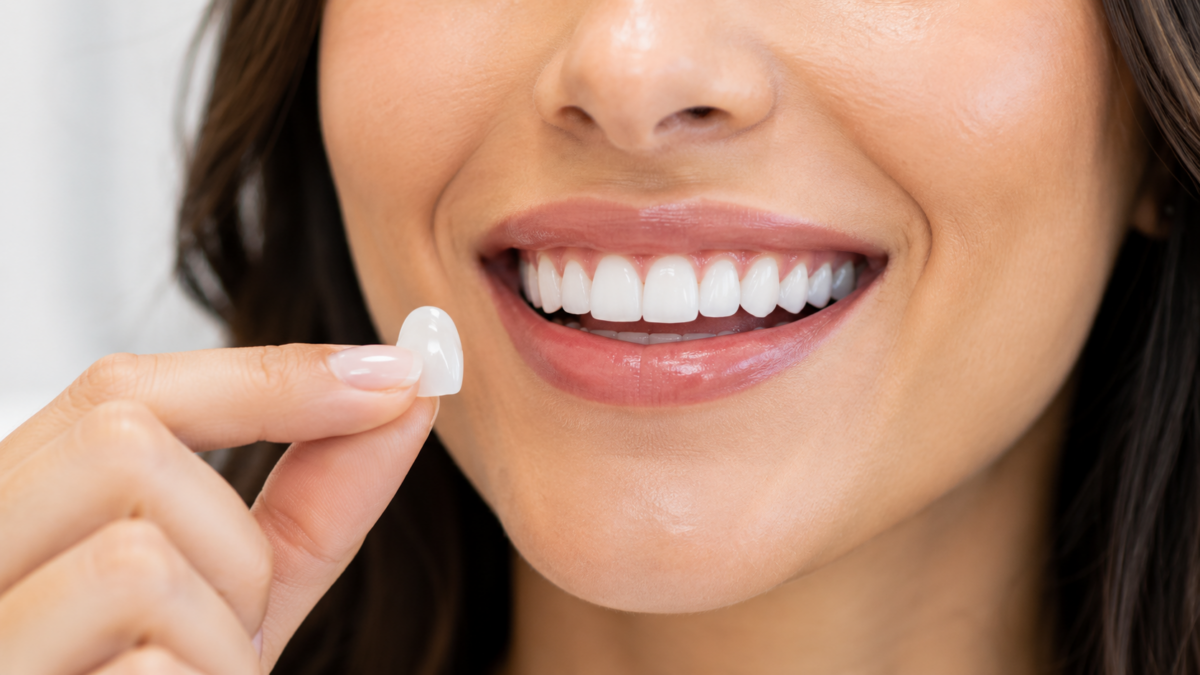
Porcelain veneers are thin, custom-made shells that are bonded to the front surface of teeth.
They are designed to improve the appearance of the teeth while still looking natural. Each veneer is carefully shaped and shaded to suit your smile, face and overall appearance.
Porcelain veneers can help improve:
- Stained or discoloured teeth
- Chipped teeth
- Worn tooth edges
- Uneven teeth
- Small or misshapen teeth
- Gaps between teeth
- Teeth that look out of proportion
- Old or uneven cosmetic dental work
Veneers are often used as part of a wider smile makeover, but they can also be used to improve one or a few teeth.
How Do Porcelain Veneers Work?
Porcelain veneers work by covering the visible front surface of the tooth.
A small amount of tooth preparation may be needed to create space for the veneer and ensure a natural fit. The veneer is then bonded securely to the tooth using dental adhesive.
The aim is to create a smile that looks brighter, more even and more balanced while still appearing natural.
Why Choose Porcelain Veneers?
Patients often choose porcelain veneers because they can create a more complete smile transformation than some other cosmetic treatments.
Porcelain veneers may be a good option if you want to improve several aspects of your smile at once, such as colour, shape and symmetry.
Benefits of Porcelain Veneers
1. Natural-Looking Results
Porcelain can reflect light in a similar way to natural tooth enamel. This helps veneers look realistic when carefully designed and fitted.
2. Improved Tooth Colour
Veneers can be used to improve teeth that are heavily stained or discoloured, especially when whitening alone may not achieve the desired result.
3. Better Tooth Shape and Symmetry
Veneers can improve teeth that look small, uneven, worn or slightly misshapen.
4. Stain Resistance
Porcelain veneers are usually more resistant to staining than composite bonding, although they still need good care and regular maintenance.
5. Long-Lasting Smile Improvement
With good oral hygiene, regular dental visits and careful use, porcelain veneers can last for many years.
Who Is Suitable for Porcelain Veneers?
Porcelain veneers may be suitable if you have healthy teeth and gums and want to improve the appearance of your smile.
They may be considered for:
- Discoloured teeth
- Chipped teeth
- Worn front teeth
- Uneven tooth edges
- Minor gaps
- Misshapen teeth
- A smile that looks aged or unbalanced
However, veneers are not suitable for every patient.
You may need another treatment first if you have:
- Active gum disease
- Untreated tooth decay
- Weak or heavily filled teeth
- Severe crowding
- Major bite problems
- Strong teeth grinding or clenching
- Very little enamel
- Poor oral hygiene
A consultation at Hammersmith Dental Care can help determine whether veneers are the right option for you.
Porcelain Veneers vs Composite Bonding
Porcelain veneers and composite bonding can both improve the appearance of teeth, but they are different treatments.
Composite bonding uses tooth-coloured resin placed directly onto the tooth. It is usually quicker, more affordable and less invasive. It is often best for small chips, minor gaps and subtle reshaping.
Porcelain veneers are custom-made ceramic shells created by a dental laboratory. They are often used for more significant changes and may offer better stain resistance and durability.
Your dentist can explain which option is more suitable based on your teeth, goals and budget.
Porcelain Veneers vs Teeth Whitening
Teeth whitening improves the colour of natural teeth, but it does not change tooth shape, size or position.
Porcelain veneers can improve both colour and shape. They may be considered if your teeth are deeply stained, worn, uneven or if you want a more complete smile transformation.
In some cases, your dentist may recommend whitening before veneers so the veneer shade can be matched to a brighter surrounding smile.
The Porcelain Veneer Process
The veneer process usually takes more than one appointment because veneers are custom-made to fit your teeth.
Step 1: Consultation and Smile Assessment
Your journey begins with a consultation.
Your dentist will assess your teeth, gums, bite and smile goals. They may also discuss your medical history, oral hygiene and any concerns you have about your smile.
This stage is important because veneers should only be placed on healthy teeth and gums.
Step 2: Treatment Planning
If veneers are suitable, your dentist will discuss the number of veneers needed and the desired shape, shade and style.
Some patients only need one or two veneers, while others may choose veneers for several front teeth as part of a smile makeover.
Your dentist may also discuss other treatments that could improve the final result, such as teeth whitening, gum treatment, orthodontics or hygiene care.
Step 3: Tooth Preparation
A small amount of enamel may be removed from the front surface of the tooth to make space for the veneer.
The level of preparation depends on your teeth and the desired result. Some cases may require minimal preparation, while others need more reshaping.
Your dentist will explain this clearly before treatment begins.
Step 4: Impressions or Digital Scans
Once the teeth are prepared, impressions or digital scans are taken.
These are used to create custom veneers that fit your teeth accurately and match the planned design.
Step 5: Temporary Veneers
Temporary veneers may be placed while your final porcelain veneers are being made.
These help protect the prepared teeth and give you an idea of the planned appearance.
Step 6: Fitting the Final Veneers
When your porcelain veneers are ready, your dentist will check the fit, shape and shade.
The veneers are then bonded to the teeth using dental adhesive. Final adjustments and polishing are carried out so your bite feels comfortable and the smile looks natural.
How Much Do Porcelain Veneers Cost?
The cost of porcelain veneers can vary depending on several factors.
These may include:
- The number of veneers needed
- The complexity of the case
- Whether additional treatments are required
- The condition of your teeth and gums
- The laboratory work involved
- The materials used
- The level of planning required
Because every smile is different, the best way to understand the cost is to book a consultation.
At Hammersmith Dental Care, your dentist can assess your smile, explain your options and provide a personalised treatment plan.
Why Veneer Cost Should Not Be the Only Factor
It can be tempting to compare veneers based only on price. However, veneers are a long-term cosmetic treatment, so planning, quality and aftercare matter.
When choosing veneers, you should consider:
- The experience of the dental team
- The quality of the smile assessment
- How natural the results are likely to look
- Whether your gum health and bite are checked
- The quality of the materials and laboratory work
- The aftercare and maintenance provided
- Whether the treatment plan is personalised to you
Choosing a local cosmetic dentist in Hammersmith can also make review appointments and long-term maintenance more convenient.
How Long Do Porcelain Veneers Last?
Porcelain veneers can last for many years with good care, but they do not last forever.
Their lifespan depends on:
- Oral hygiene
- Gum health
- Bite pressure
- Teeth grinding or clenching
- Diet and lifestyle habits
- Regular dental check-ups
- How well you avoid damage
- The quality of the original planning and fitting
Over time, veneers may need repair, replacement or maintenance.
How to Look After Porcelain Veneers
Good aftercare can help keep your veneers looking and functioning well.
You should:
- Brush twice daily with fluoride toothpaste
- Clean between your teeth every day
- Attend regular dental check-ups
- See the hygienist as recommended
- Avoid biting hard objects such as pens or fingernails
- Avoid using your teeth to open packaging
- Wear a night guard if you grind your teeth, if recommended
- Reduce habits that may chip or damage veneers
- Report any looseness, discomfort or changes early
Porcelain veneers are strong, but they are not indestructible. Looking after them carefully helps protect both the veneers and the natural teeth underneath.
Can Porcelain Veneers Stain?
Porcelain veneers are generally more resistant to staining than composite bonding. However, the edges around the veneer and the natural teeth can still become stained if oral hygiene is poor or if you regularly consume staining foods and drinks.
Coffee, tea, red wine and smoking can affect the overall appearance of your smile over time.
Regular hygiene visits can help keep your veneers and natural teeth looking fresh.
Can Veneers Fall Off?
Porcelain veneers are bonded securely to the teeth, but they can occasionally loosen or debond.
This may happen because of trauma, bite pressure, teeth grinding, poor bonding conditions or biting very hard foods or objects.
If a veneer feels loose or comes off, contact your dentist as soon as possible. Do not try to glue it back yourself.
Do Porcelain Veneers Damage Teeth?
Porcelain veneers often involve some enamel preparation, which means the treatment is usually not fully reversible.
This is why careful planning is essential.
Your dentist should assess whether veneers are appropriate and explain the benefits, risks and alternatives before you decide.
For some patients, less invasive options such as composite bonding, teeth whitening or clear aligners may be more suitable.
Are Porcelain Veneers Painful?
Veneer treatment is usually comfortable. If tooth preparation is needed, local anaesthetic may be used to keep you comfortable during the appointment.
Some patients may experience temporary sensitivity after preparation or fitting. Your dentist will explain what to expect and how to manage this.
Why Choose Hammersmith Dental Care for Porcelain Veneers?
At Hammersmith Dental Care, we focus on natural-looking cosmetic dentistry that supports long-term oral health.
Our approach includes:
- Careful assessment of your teeth, gums and bite
- Personalised smile planning
- Natural shade selection
- Conservative treatment where suitable
- Clear explanation of costs and treatment stages
- Ongoing aftercare and maintenance advice
- Convenient care for patients in Hammersmith and West London
We aim to create smiles that look refreshed, balanced and suited to each patient.
Porcelain Veneers in Hammersmith and West London
If you are considering porcelain veneers in Hammersmith, our team can help you explore your options.
We welcome patients from:
- Hammersmith
- Fulham
- Shepherd’s Bush
- Chiswick
- Kensington
- Ravenscourt Park
- Barons Court
- West London
Whether you want to improve one tooth or plan a full smile makeover, a consultation can help you understand what is possible.
Book a Porcelain Veneers Consultation in Hammersmith
If you are unhappy with stained, chipped, worn or uneven teeth, porcelain veneers may be an effective way to transform your smile.
At Hammersmith Dental Care, we can assess your teeth, discuss your goals and explain whether veneers are suitable for you.
Book your porcelain veneers consultation in Hammersmith today and take the first step towards a brighter, more confident smile.
Frequently Asked Questions
What are porcelain veneers?
Porcelain veneers are thin custom-made shells bonded to the front surface of teeth to improve their colour, shape, size and appearance.
How much do porcelain veneers cost?
The cost depends on the number of veneers needed, case complexity, materials, planning and whether additional treatments are required. A consultation is the best way to receive an accurate quote.
How long do porcelain veneers last?
Porcelain veneers can last for many years with good care, but they may eventually need repair or replacement.
Are porcelain veneers better than composite bonding?
It depends on your goals. Composite bonding is usually faster and less invasive, while porcelain veneers may be more suitable for longer-lasting or more significant smile transformations.
Do porcelain veneers look natural?
Yes, porcelain veneers can look very natural when carefully planned, shaped and shade-matched to your smile.
Do veneers stain?
Porcelain veneers are generally resistant to staining, but the surrounding natural teeth and veneer edges can still stain without good care.
Does getting veneers hurt?
Veneer treatment is usually comfortable. Local anaesthetic may be used if tooth preparation is needed.
Can I whiten porcelain veneers?
No. Porcelain veneers do not whiten like natural teeth. If you want a brighter smile, whitening is often recommended before veneers are made.
Are veneers permanent?
Porcelain veneers often involve enamel preparation, so they are usually considered a long-term treatment rather than a reversible option.
Where can I get porcelain veneers in Hammersmith?
Hammersmith Dental Care provides porcelain veneers and cosmetic dentistry consultations for patients in Hammersmith and surrounding areas of West London.